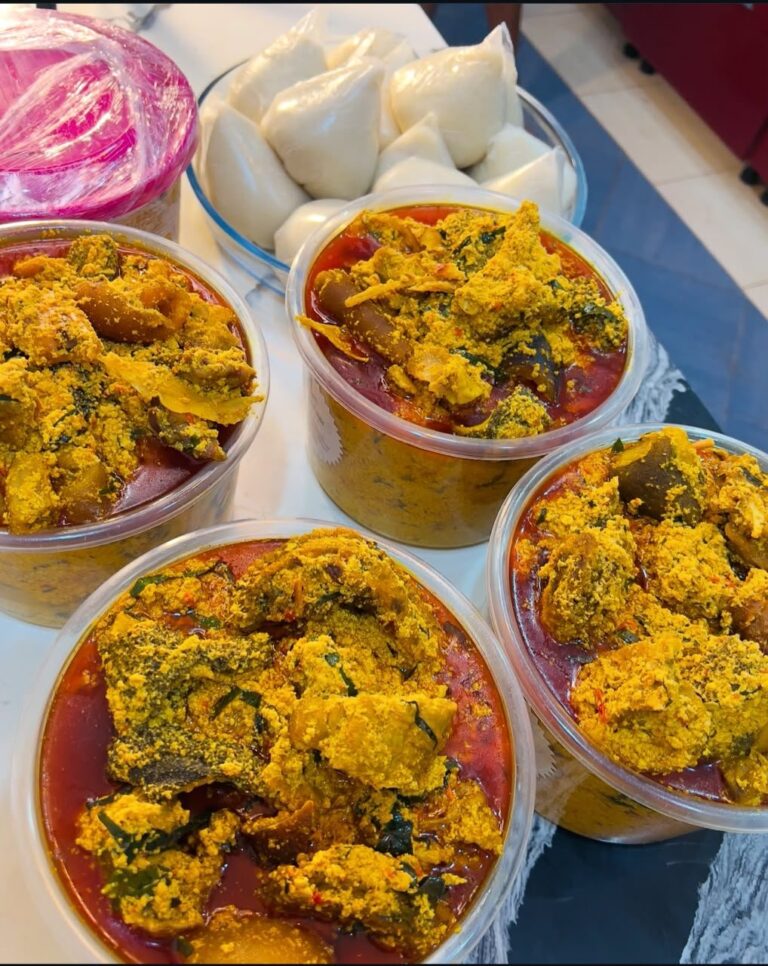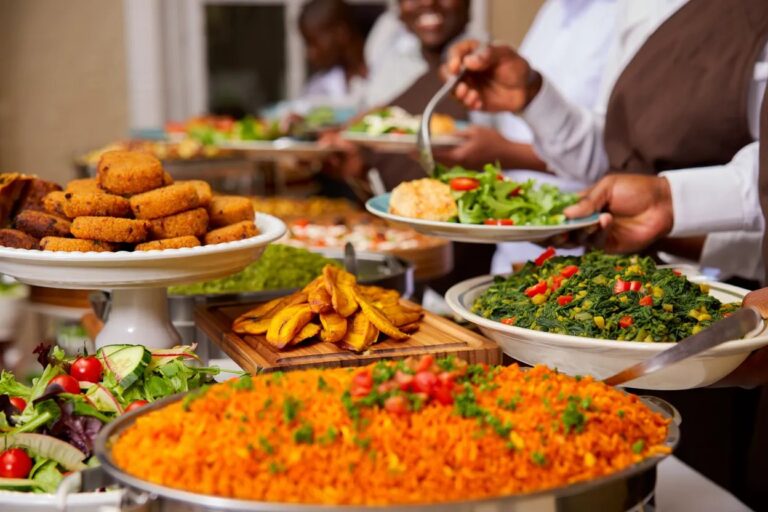
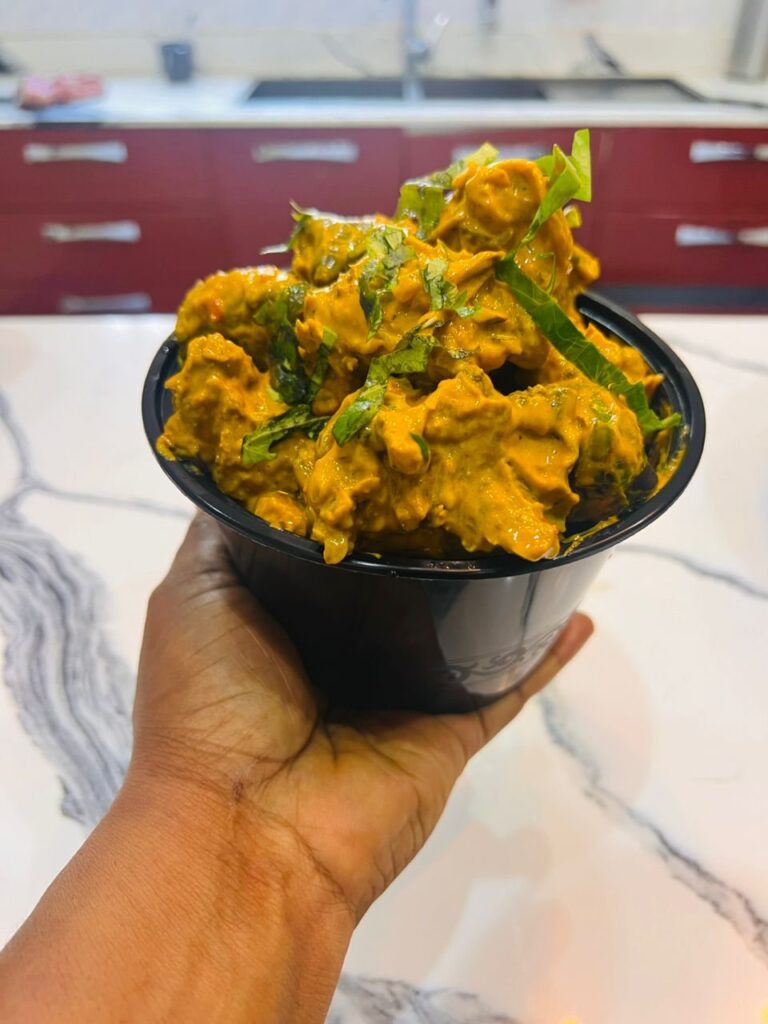
Nigeria is not one food story. It is many food stories living beside one another, mixing with one another and changing over time.
To understand Nigerian cuisine, you need to look beyond the most famous dishes. Jollof rice matters, but so do Oha soup, Afang soup, Ofada rice, amala pairings, suya, masa, tuwo, pepper soup, Abacha, Nkwobi, seafood-rich soups, beans dishes, yam, plantain and many local ingredients.
This article introduces regional Nigerian cuisine in a careful way. It focuses on broad patterns and common associations, not absolute ownership. Dishes move through marriage, school, cities, travel, restaurants and diaspora kitchens. A food commonly associated with one region may also be loved, adapted and cooked elsewhere.
If you are reading from Accra and want to taste Nigerian food, use this guide as a cultural map, then confirm current availability through the AdaOwerri Kitchen Menu or Contact page.
Quick Summary
Regional Nigerian cuisine is broad and diverse. Igbo, Yoruba, Hausa, south-south, middle belt and many other culinary traditions all contribute to the larger food culture. Some dishes are strongly associated with particular communities, while others travel widely across cities, families, restaurants and celebrations.
Use regional labels carefully. It is usually better to say “commonly associated with” than to say a dish belongs only to one group. Nigerian food is shaped by geography, trade, farming, religion, migration, family preference and personal taste.
For a broad foundation, read The Complete Guide to Nigerian Food Culture. Then explore The Ultimate Guide to Nigerian Soups, The Complete Guide to Nigerian Rice Dishes, The Complete Guide to Nigerian Swallow Foods and Understanding Nigerian Ingredients and Spices.
Why Regional Cuisine Matters
Regional cuisine helps explain why Nigerian food can feel so varied. The same country includes coastal communities, savannah regions, riverine areas, cities, villages, farming communities and trading centers. Food adapts to what people grow, preserve, trade, cook and celebrate.
Regional cuisine also carries identity. A person may feel connected to a soup because of language, family, village, city or childhood memory. A dish can become a way of saying, “This is where I come from,” even when the person now lives somewhere else.
Regional Does Not Mean Fixed
Regional identity should not be written as a rigid rule. A Yoruba household may love Igbo soups. An Igbo family may cook jollof rice at every party. A northern-style grilled meat may be enjoyed across the country. City life constantly mixes food habits.
Historical Context
Nigerian regional cuisines developed through many influences: local crops, animal rearing, river and coastal access, trade routes, religious practices, preservation methods, markets, migration and family cooking knowledge. Over time, urbanization and restaurant culture helped dishes travel beyond their original settings.
This history is complex. Avoid unsupported origin claims unless they are verified by credible sources. When writing for publication, it is safer to describe known cultural associations and explain that food traditions may differ from family to family.
Igbo and Southeastern Food Traditions
Igbo and southeastern food traditions are often associated with rich soups, local delicacies, yam, cassava-based foods, vegetables, palm oil, dried fish, crayfish and strong soup-and-swallow culture.
Commonly Discussed Examples
- Oha soup.
- Nsala or white soup.
- Bitterleaf soup.
- Ofe Owerri.
- Abacha.
- Nkwobi.
- Isi Ewu.
- Ukwa.
- Yam dishes.
- Pounded yam, fufu, eba and other swallows.
AdaOwerri Kitchen’s brand naturally connects to southeastern Nigerian food culture, but articles should still avoid claiming that one version represents every Igbo household. For soup depth, link to Everything You Need to Know About Oha Soup and Nsala White Soup: Origins, Ingredients and Serving Tips.
Yoruba and Southwestern Food Traditions
Yoruba and southwestern food traditions are often discussed through amala, ewedu, gbegiri, ofada rice, pepper sauces, beans dishes, stews, plantain and party rice culture. Preparation varies widely across states, cities and homes.
Commonly Discussed Examples
- Amala.
- Ewedu and gbegiri contexts.
- Ofada rice and sauce.
- Moi moi.
- Akara.
- Stews and pepper sauces.
- Rice dishes for parties.
- Yam and plantain meals.
For related reading, connect to The Complete Guide to Amala and The Complete Guide to Ofada Rice.
Hausa and Northern Food Traditions
Northern Nigerian food conversations often include grains, grilled meats, spice blends, stews and foods associated with market, street and communal eating. It is important to recognize the diversity of northern communities rather than treating the region as one kitchen.
Commonly Discussed Examples
- Suya-style grilled meat.
- Masa.
- Tuwo and soups.
- Kilishi-style dried meat.
- Beans and grain-based foods.
- Spiced tea or drinks in some settings.
When describing northern food, avoid reducing it to suya alone. Suya is widely loved, but northern culinary traditions are broader than one dish.
South-South, Coastal and Other Nigerian Traditions
South-south and coastal food traditions are often associated with vegetable-rich soups, seafood, palm oil, periwinkle in some communities, fish and deeply seasoned soup bases. Communities in this broad area are diverse, and food practices vary.
Commonly Discussed Examples
- Afang soup.
- Edikang Ikong.
- Seafood soups.
- Fisherman-style soups.
- Plantain and fish dishes.
- Rich vegetable soups.
For a supporting link, use The Complete Guide to Afang Soup and Traditional Nigerian Leaves.
Nigeria also includes many middle belt and other culinary traditions that deserve dedicated coverage. Future articles should explore Tiv, Nupe, Kanuri, Edo, Ijaw, Itsekiri, Urhobo and other foodways with careful sourcing.
Regional Variations
| Broad Tradition | Common Food Associations | Ingredients Often Discussed | Editorial Note |
|---|---|---|---|
| Igbo and southeastern | Oha, Nsala, Bitterleaf, Abacha, Nkwobi | Palm oil, crayfish, stockfish, leaves, yam, cassava | Avoid presenting one state as all Igbo food. |
| Yoruba and southwestern | Amala, Ofada rice, ewedu, gbegiri, akara | Beans, peppers, rice, yam flour, palm oil | Household sauce and swallow preferences vary. |
| Hausa and northern | Suya, masa, tuwo, grains, grilled meats | Grains, spices, meat, peppers | Do not reduce northern cuisine to suya only. |
| South-south/coastal | Afang, Edikang Ikong, seafood soups | Leaves, seafood, palm oil, fish, crayfish | Coastal communities are diverse. |
| Cross-regional | Jollof rice, fried rice, moi moi, plantain, pepper soup | Rice, beans, pepper, tomatoes, stock, proteins | These foods move across regions and events. |
Interesting Cultural Notes
Regional food often becomes emotional outside Nigeria. A person in Ghana may crave Oha soup not only because it tastes good, but because it reminds them of home. Another person may order Ofada rice because it connects to family memories or a favorite restaurant experience.
Regional food also creates curiosity. A beginner may start with jollof rice, then gradually explore soups, swallows, local dishes and ingredients.
Helpful Tables
| If You Like… | Try Learning About… | Useful Link |
|---|---|---|
| Leafy soups | Oha, Afang, Bitterleaf, Edikang Ikong | Traditional Nigerian Leaves |
| Rice with bold sauce | Ofada rice, white rice and stew | The Complete Guide to Nigerian Rice Dishes |
| Thick soup textures | Egusi, Ogbono, Okra-style soups | The Ultimate Guide to Nigerian Soups |
| Swallow pairings | Pounded yam, eba, fufu, amala, semovita | The Complete Guide to Nigerian Swallow Foods |
| Flavor building | Pepper, palm oil, crayfish, fermented seasonings | Understanding Nigerian Ingredients and Spices |
Quick Facts
- Nigerian cuisine is regional, but regional labels are not rigid boundaries.
- Many dishes travel across Nigeria through migration, marriage, restaurants and city life.
- A dish can be associated with one region and still be enjoyed widely elsewhere.
- Soup and swallow traditions vary significantly by community and household.
- Rice dishes often serve as cross-regional celebration food.
- Cultural writing should avoid ranking one regional cuisine above another.
Did You Know
A Nigerian menu can be both regional and national. A restaurant may serve dishes strongly associated with one area alongside cross-regional favorites such as jollof rice, fried rice, plantain, moi moi and pepper soup.
Did you know that ingredients often tell the regional story as much as dish names? Leaves, dried fish, fermented seasonings, palm oil, peppers, grains and seafood can all point to different cooking traditions.
How to Explore Regional Nigerian Food
Start With the Dish, Then Learn the Context
Try a dish first, then read about its ingredients, common pairings and cultural associations. This keeps learning enjoyable.
Ask About Spice, Texture and Pairings
Regional dishes may differ in pepper level, thickness, aroma and serving style. Ask questions if you are new.
Avoid Ranking Regions
Food pride is natural, but editorial content should not present one region as better or more authentic than another.
Ready To Order?
To explore Nigerian dishes in Accra, browse the AdaOwerri Kitchen Menu and look for rice dishes, soups, swallow foods, proteins and sides. For family meals, office lunch or regional favorites for a group, use Bulk Orders and confirm dish availability through Contact.
Need Help Choosing?
If you want guidance on what regional dishes to try, message AdaOwerri Kitchen through the WhatsApp option listed on the site. Share your preferred spice level, whether you want rice or soup and swallow, your delivery area and the number of people eating. Review Delivery for practical details.
Frequently Asked Questions
What are the main regional cuisines of Nigeria?
Nigeria has many culinary traditions. Broad discussions often mention Igbo, Yoruba, Hausa, south-south, coastal and middle belt foodways, but this is not a complete map.
What foods are associated with Igbo cuisine?
Commonly discussed examples include Oha soup, Nsala, Bitterleaf soup, Abacha, Nkwobi, Isi Ewu and yam-based meals. Preparation varies by household and community.
What foods are associated with Yoruba cuisine?
Common examples include amala pairings, Ofada rice, ewedu, gbegiri, akara, moi moi, stews and pepper sauces. These foods vary across families and states.
Is suya the only northern Nigerian food people should know?
No. Suya is widely known, but northern Nigerian food traditions also include grain-based meals, stews, grilled foods and many community-specific dishes.
How can beginners try regional Nigerian food?
Start with familiar dishes, then explore one new soup, swallow or local dish at a time. Use Menu and Contact to confirm availability.
Conclusion
Regional Nigerian cuisine is one of the reasons Nigerian food culture is so compelling. It includes shared favorites and deeply local traditions, everyday meals and ceremonial dishes, home cooking and restaurant food.
The most respectful way to write about it is with balance. Name associations, but leave room for variation. Celebrate diversity without turning culture into a checklist.
For a broader framework, continue with The Complete Guide to Nigerian Food Culture and the cornerstone guides to soups, rice, swallow foods and ingredients.