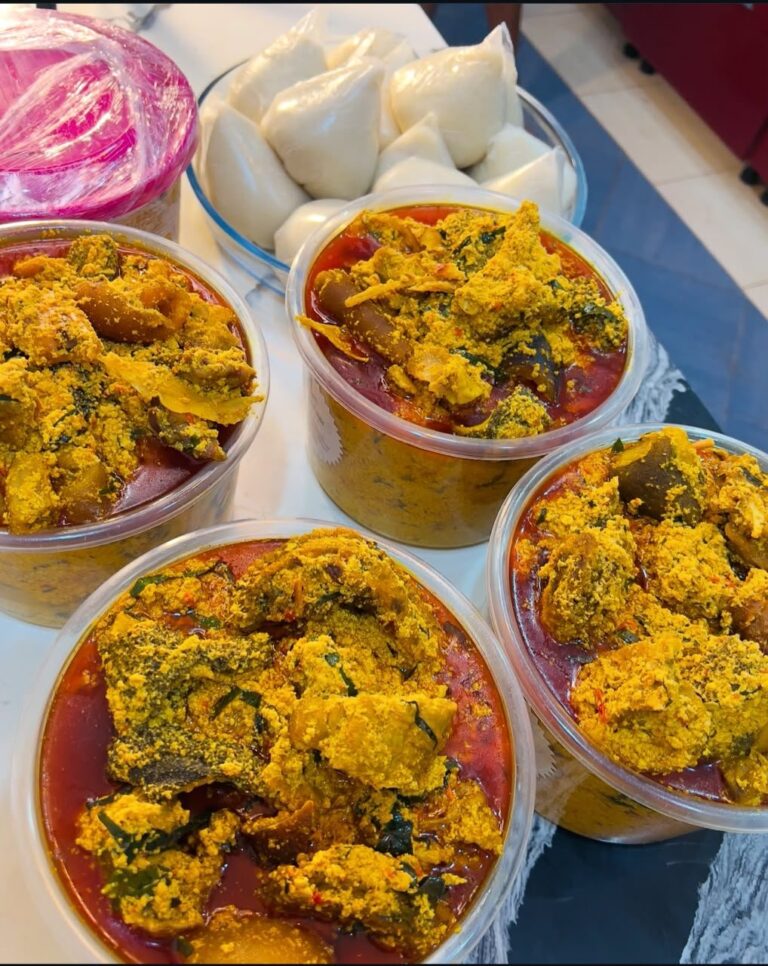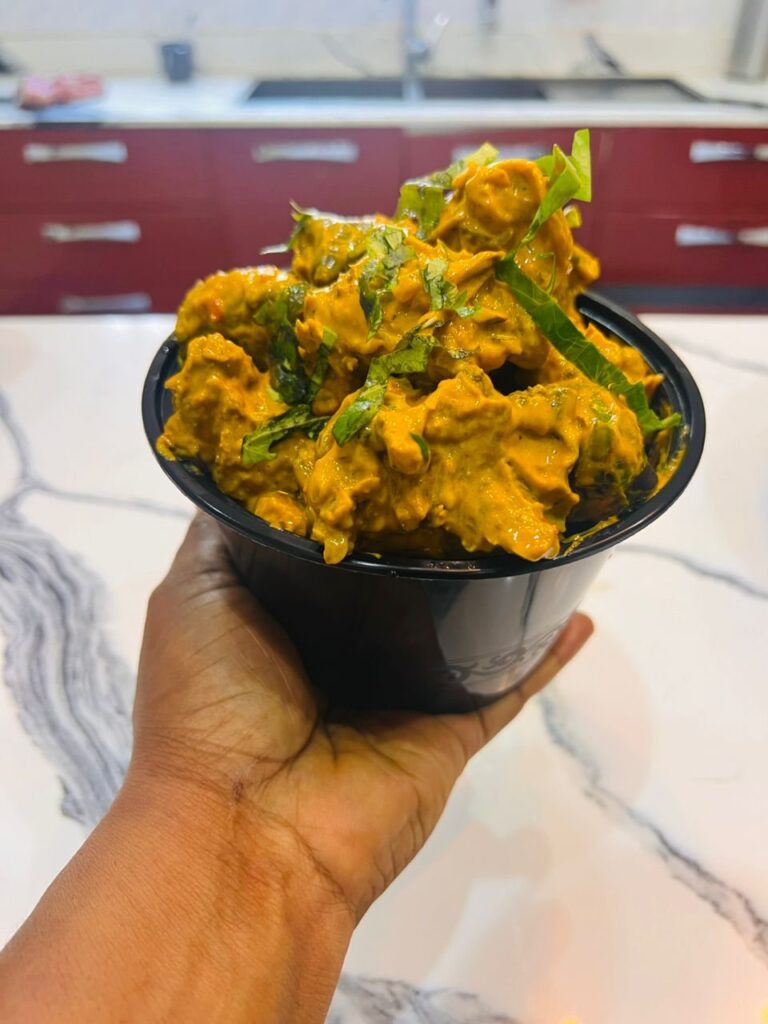
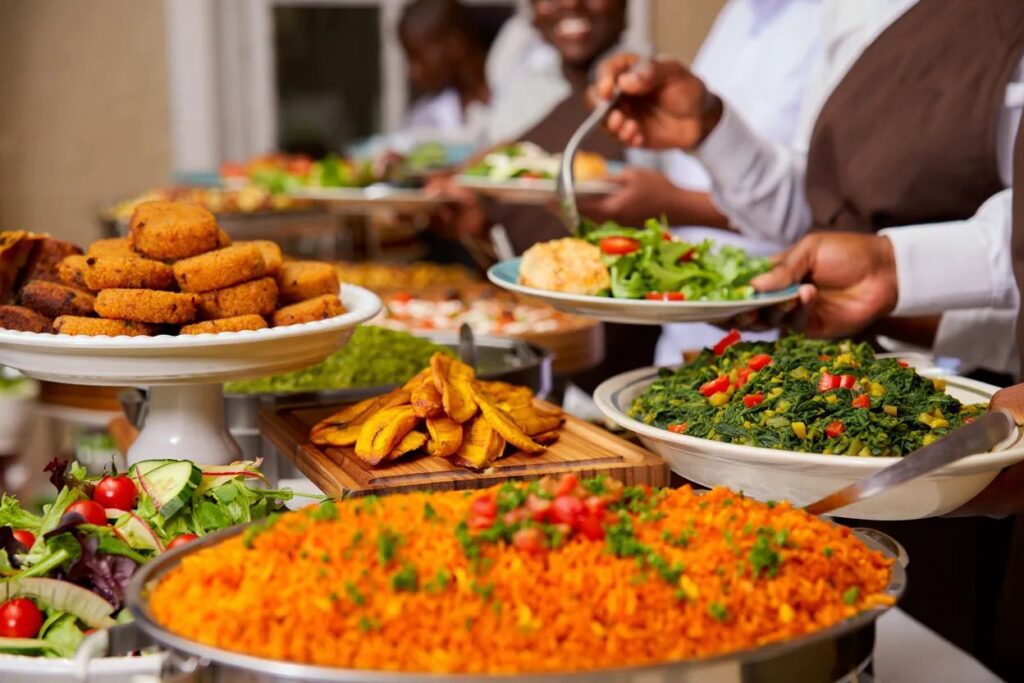
In many Nigerian settings, food is one of the quickest ways to make someone feel welcome. A guest enters, and someone asks whether they have eaten. A family plans for more food than the exact number of people in the house. A host sends food home with a visitor. A church group prepares meal packs. A wedding family worries about feeding everyone properly.
This is hospitality in practical form. It is not always formal. It is often everyday, warm and direct.
But Nigerian hospitality is not identical everywhere. A household in one city may serve guests differently from a household in another. Religious customs, age, family role, budget, occasion and personal boundaries all matter. The key is not to force one rule on every table, but to understand why sharing food is often meaningful.
Quick Summary
Nigerian hospitality often uses food to show welcome, care, respect and inclusion. A guest may be offered a meal, a family may cook extra, an event may include generous food service and a host may worry about whether everyone ate well.
Hospitality customs vary across region, religion, household, age and occasion. It is not accurate to say every Nigerian home behaves the same way. Still, food is a recurring way many Nigerians express care.
For a broader cultural foundation, read The Complete Guide to Nigerian Food Culture. For practical meal planning, explore the soups guide, rice guide, swallow guide and ingredients guide.
Food as a Language of Welcome
Food can communicate welcome without a long speech. A plate of rice, a bowl of soup, a piece of meat, a side of plantain or a packed meal can say that the visitor matters.
What Sharing Food Can Mean
- You are part of this space.
- Your presence is valued.
- You should not leave hungry.
- We prepared with you in mind.
- This gathering is not complete without feeding people.
This is why hosts may feel uncomfortable when guests refuse food. Refusal can be perfectly reasonable, but in some contexts it may need gentle explanation.
Historical Context
Food-based hospitality is connected to household life, farming communities, religious gatherings, family networks, markets, ceremonies and the importance of visitors in many Nigerian social settings. Over time, modern life has changed how hospitality is delivered. A host may now order food, send delivery, arrange meal packs or organize catering instead of cooking everything at home.
The meaning can remain even when the method changes. A delivered soup order can still be an act of care. A tray of rice for guests can still be hospitality. A bulk order for a church program can still express responsibility toward a group.
Avoid presenting hospitality as a fixed ancient rule. It is better understood as a recurring value that adapts to time, place and circumstance.
Regional Variations
Hospitality may look different across Nigerian communities, but food often remains central.
| Setting | What Hospitality May Look Like | Variation to Respect |
|---|---|---|
| Family visit | Rice, soup, swallow, drinks or snacks offered to guests | Some homes ask first; others serve quickly. |
| Wedding or birthday | Food planned for guests and sometimes takeaway | Menu depends on family and event budget. |
| Church or religious program | Meal packs or shared food after gathering | Service style depends on size and timing. |
| Funeral reception | Respectful food for mourners and visitors | Customs vary by family and community. |
| Office or group meal | Packed meals, rice trays, proteins and sides | Practicality often shapes the menu. |
Interesting Cultural Notes
Hospitality does not always mean elaborate cooking. Sometimes it is a simple plate served at the right time. Sometimes it is remembering a guest does not eat much pepper. Sometimes it is packing food for someone who could not stay.
The Last Piece
In some shared settings, taking the last piece of meat or plantain without checking can feel awkward. Customs vary, but attentiveness at the table is usually appreciated.
Feeding Guests Before Discussion
In some homes, feeding a guest comes before serious conversation. This is not universal, but it shows how food can create ease.
Food as Care Abroad
For Nigerians living outside Nigeria, sending or ordering familiar food can be a powerful gesture. It says, “I know what you miss.”
Helpful Tables
| Hospitality Goal | Food Direction | Useful Link |
|---|---|---|
| Welcome a first-time guest | Jollof rice, fried rice, plantain, mild soup | Traditional Nigerian Food Every Visitor Should Try |
| Feed family visitors | Rice, soup, swallow, protein, sides | Menu |
| Serve a larger group | Rice trays, soups, meal packs, proteins | Bulk Orders |
| Support someone busy | Delivery meal or packed food | Delivery |
| Answer food questions | Ask about availability, spice and portions | Contact |
| Food Type | Hospitality Strength | Planning Note |
|---|---|---|
| Rice dishes | Familiar and easy to share | Good for mixed groups. |
| Nigerian soups | Comforting and traditional | Needs swallow and careful packing. |
| Swallow foods | Filling and culturally meaningful | Pair with the right soup. |
| Plantain or moi moi | Adds generosity and balance | Confirm availability. |
| Proteins | Makes the meal feel complete | Ask about preference and budget. |
Quick Facts
- Food is a major expression of hospitality in many Nigerian settings.
- Sharing food can mean welcome, respect, care and inclusion.
- Hospitality customs vary by region, religion, family and occasion.
- Modern ordering and delivery can still support traditional hospitality.
- Guest comfort includes spice level, timing, portion and food preference.
- For groups, planning matters as much as generosity.
Did You Know
In many food cultures, including Nigerian contexts, the act of offering food can matter as much as the food itself. The offer says the guest has been noticed.
Did you know that asking about pepper level is also hospitality? A meal that considers the guest’s comfort is often more thoughtful than one that simply follows the host’s preference.
How to Host With Nigerian Food
Ask Quietly About Preferences
Find out whether guests eat pepper, meat, fish, swallow, rice or specific soups. This helps avoid waste and discomfort.
Balance Familiar and Traditional Foods
For mixed guests, combine approachable dishes such as jollof rice or fried rice with deeper traditional options such as soup and swallow.
Keep Service Practical
Food should arrive warm, be easy to serve and match the setting. For group planning, read How Much Food Should You Order for 20, 50, 100 or 200 Guests?.
Ready To Order?
AdaOwerri Kitchen can help turn hospitality into a practical meal plan. Browse the Menu for current dishes, use Delivery for meal logistics and choose Bulk Orders when feeding families, guests, offices, churches or event groups.
Need Help Choosing?
Need help choosing food for visitors or a group? Use Contact or the WhatsApp option on the site. Share the number of people, preferred dishes, spice needs, delivery area and timing so the team can guide you clearly.
Frequently Asked Questions
Why is sharing food important in Nigerian hospitality?
Sharing food often shows welcome, respect, care and inclusion. It helps guests feel received and valued.
Do all Nigerians offer food to guests the same way?
No. Customs vary by household, region, religion, age, occasion and personal preference.
What should I serve guests who are new to Nigerian food?
Begin with familiar options such as jollof rice, fried rice, plantain, moi moi or a mild soup and swallow pairing.
Is ordering food still hospitable?
Yes, it can be. Hospitality is about care and attention. Ordering a well-chosen meal can still be meaningful.
How do I plan Nigerian food for visitors in Accra?
Browse the Menu, confirm delivery through Delivery and use Contact for questions about availability and portions.
Conclusion
Nigerian hospitality is often expressed through food because food is direct, generous and memorable. It welcomes guests, supports family, honors gatherings and turns care into something people can taste.
The best hospitality is not only abundant. It is thoughtful. It considers who is eating, what they enjoy, how the food will be served and what the occasion requires.
For the broader cultural picture, continue with The Complete Guide to Nigerian Food Culture and the guides to soups, rice, swallow foods and ingredients.