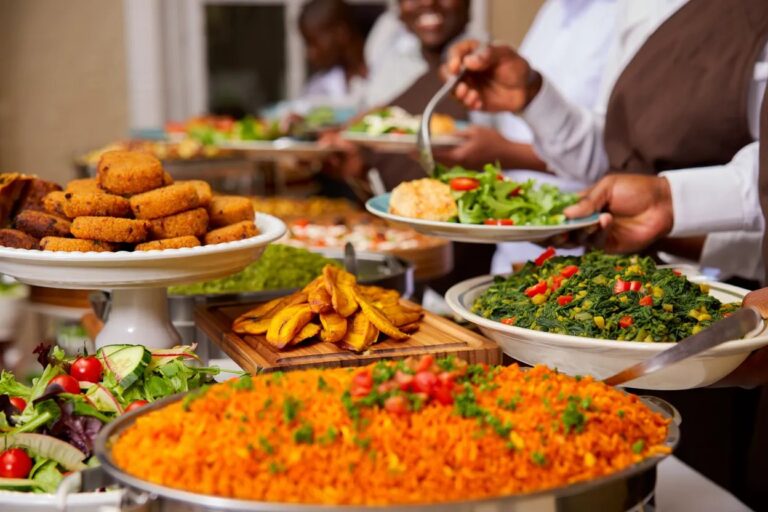
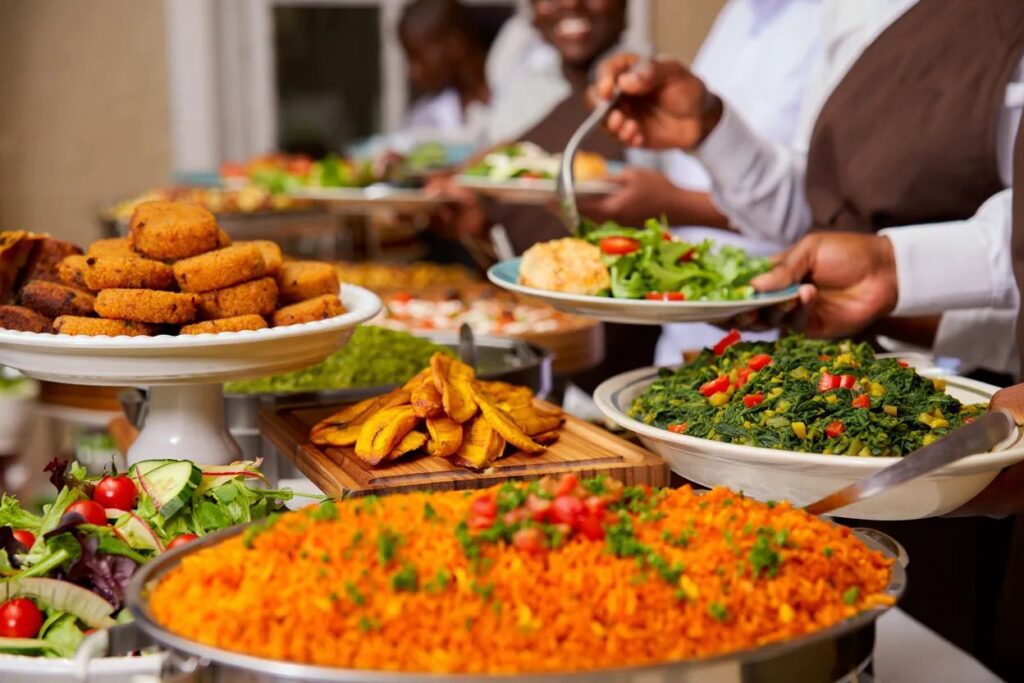
At many Nigerian weddings, food is one of the things guests remember most clearly. They may remember the music, outfits, ceremony and speeches, but they will also remember whether the food came on time, whether it was enough, whether the rice tasted good and whether the serving was organized.
This is not superficial. Food at a Nigerian wedding carries meaning. It helps families welcome guests. It reflects generosity. It can honor regional identity. It can create comfort for elders and excitement for friends. It can also become stressful if planning is vague.
This article looks at food at Nigerian weddings as both culture and practical planning. It does not claim that all Nigerian weddings are the same. Wedding customs vary across ethnic groups, religions, families, cities, budgets and personal tastes. The goal is to explain common patterns while leaving room for difference.
Quick Summary
Food at Nigerian weddings is more than a menu. It is part of hospitality, family pride, cultural identity and guest experience. Wedding food may include jollof rice, fried rice, white rice and stew, soups, swallows, proteins, sides, small chops, drinks and local dishes, depending on family preference, region, religion, budget and serving style.
No single Nigerian wedding menu represents every community. Some weddings emphasize rice and party food. Others include soup and swallow, local delicacies or regional dishes. The best wedding menus are planned around the couple, families, guests, service flow and venue.
For planning support, pair this cultural guide with Planning Nigerian Food for Weddings and The Ultimate Nigerian Catering Guide. For dish education, use the food culture guide, soups guide, rice guide and swallow guide.
Why Food Matters at Nigerian Weddings
Wedding food often sits at the intersection of celebration and responsibility. Families want guests to feel honored. Guests may travel far, spend time dressing for the event and expect to be fed properly.
Food helps answer important social questions:
- Did guests feel welcomed?
- Was the family prepared?
- Was there enough variety?
- Were elders and children considered?
- Did the menu reflect the couple and families?
- Was service smooth enough for the event flow?
Good food cannot solve every wedding problem, but poor planning can create frustration. That is why wedding catering should be discussed early.
Hospitality and Family Pride
In many Nigerian settings, serving guests well is a matter of pride. Families may want the food to show care, not merely fulfill a schedule.
Cultural Identity
Some couples include dishes connected to their family backgrounds. Others choose widely loved party dishes. Both approaches can be valid.
Historical Context
Wedding food traditions have shifted with urban venues, professional catering, diaspora weddings, interethnic marriages, religious settings, delivery logistics and modern event planning. Older household cooking and community support still influence how people think about wedding food, but many weddings now rely on caterers, restaurants or mixed vendor teams.
Because wedding customs differ widely, avoid claims such as “all Nigerian weddings serve this dish.” It is better to say that certain dishes are common at many weddings or popular for large Nigerian celebrations.
Regional Variations
Regional identity can influence wedding menus, especially when families want to honor heritage.
| Food Direction | Common Examples | Wedding Planning Note |
|---|---|---|
| Rice-led menu | Jollof rice, fried rice, white rice and stew | Practical for large guest counts and mixed preferences. |
| Soup and swallow menu | Egusi, Oha, Afang, Ogbono, Bitterleaf with pounded yam, eba or fufu | Requires careful serving, containers and timing. |
| Local delicacies | Abacha, Nkwobi, Isi Ewu, Ofada rice and sauce, pepper soup | Best when guests understand the dish or labels explain it. |
| Grilled or peppered proteins | Chicken, beef, fish, turkey, goat meat | Protein choice affects budget, service and guest satisfaction. |
| Mixed cultural menu | Dishes from both families or regions | Useful for interethnic weddings and diverse guest lists. |
Regional dishes should be presented respectfully and accurately. If a menu includes dishes from multiple traditions, label them clearly and avoid treating them as interchangeable.
Interesting Cultural Notes
Food at weddings often reflects the guest list. A small traditional ceremony may need a different menu from a large reception. A church wedding, registry celebration, traditional marriage, family lunch or evening reception may each require a different approach.
The Party Rice Expectation
Jollof rice is strongly associated with many Nigerian parties. That does not mean it must appear at every wedding, but it is familiar, festive and easy to serve at scale. For more detail, link readers to Everything You Need to Know About Nigerian Jollof Rice.
Soup and Swallow as Cultural Depth
Rice may be the crowd favorite, but soup and swallow can bring deeper traditional feeling. Egusi with pounded yam, Oha with fufu, Afang with eba or Ogbono with semovita may be meaningful depending on the families involved.
Helpful Tables
| Wedding Food Category | Why It Is Included | Planning Caution |
|---|---|---|
| Jollof rice | Familiar, festive, easy to serve | Needs good timing and enough protein. |
| Fried rice | Adds variety and color | Best served fresh and handled carefully. |
| White rice and stew | Flexible for different spice preferences | Sauce quantity matters. |
| Soup and swallow | Traditional, filling and culturally rich | Requires careful packaging and serving. |
| Proteins | Makes plates feel complete | Choice affects budget and satisfaction. |
| Local dishes | Honors heritage and adds depth | Confirm availability and guest familiarity. |
| Small chops or snacks | Helps guests before main food | Should not replace the main meal unless planned. |
| Planning Question | Why It Matters |
|---|---|
| How many guests are expected? | Guest count shapes quantity and service. |
| Is food plated, buffet-style or packed? | Serving style changes logistics. |
| Are elders, children or first-time Nigerian food guests attending? | Menu balance may need adjustment. |
| Are both families expecting specific dishes? | Cultural expectations should be discussed early. |
| Will food be served before or after key ceremony moments? | Timing affects temperature and flow. |
Quick Facts
- Nigerian wedding food often includes rice dishes, proteins, sides and sometimes soup and swallow.
- Jollof rice is popular at many celebrations but not mandatory for every wedding.
- Regional dishes can honor family identity when planned respectfully.
- Wedding menus should consider service flow, guest count, venue access and delivery timing.
- Food labels help mixed guests understand dishes and spice levels.
- Quantity guidance is not exact; it depends on menu, serving style and guest expectations.
Did You Know
At some weddings, food service is remembered as much as the menu itself. A simple menu served warmly and on time can feel better than a complicated menu that delays the event.
Did you know that wedding food can also introduce guests to a family culture? A well-labeled soup, swallow or local dish can make unfamiliar food easier and more inviting.
Menu Planning Ideas
For a Rice-Led Wedding Menu
Consider jollof rice, fried rice, white rice and stew, proteins, plantain and a side such as moi moi when available. Keep service practical.
For a Traditional Menu
Choose one or two soups, suitable swallows and proteins. Use the Nigerian soups guide and swallow foods guide to plan pairings.
For a Mixed Guest List
Include familiar dishes and provide clear labels. Some guests may be new to swallow foods or very peppery soups.
Ready To Order?
Planning Nigerian wedding food in Accra? Start with the AdaOwerri Kitchen Menu for current options, then use Bulk Orders for group planning. For delivery logistics, review Delivery and send questions through Contact.
Need Help Choosing?
For wedding enquiries, message AdaOwerri Kitchen through the WhatsApp option on the site or Contact. Include the wedding date, location, estimated guest count, preferred serving style, rice choices, soup choices, proteins and delivery timing. The clearer the details, the easier it is to guide you.
Frequently Asked Questions
What food is served at Nigerian weddings?
Many Nigerian weddings serve rice dishes, proteins, sides and sometimes soups, swallows and local dishes. The exact menu depends on family preference, region, religion, budget and event style.
Is jollof rice required at a Nigerian wedding?
No dish is required for every wedding, but jollof rice is popular because it is festive, familiar and practical for groups.
Should Nigerian wedding menus include soup and swallow?
They can, especially when families want a more traditional spread. Soup and swallow require careful serving, packaging and timing.
How early should wedding food be planned?
As early as practical, especially for larger guest counts, weekends, holidays or menus with several dishes. Confirm details before requesting a quote.
Can AdaOwerri Kitchen help with wedding food?
Use Bulk Orders or Contact to enquire. Availability, menu options and timing should be confirmed directly.
Conclusion
Food at Nigerian weddings is cultural, emotional and practical. It helps families welcome guests, honor background, celebrate abundance and create a memorable reception.
The strongest wedding menus are not the longest menus. They are the ones planned around guest count, cultural expectations, service flow, spice tolerance, timing and clear communication.
For deeper planning, read Planning Nigerian Food for Weddings and The Ultimate Nigerian Catering Guide, then connect the menu to rice, soup, swallow and ingredient guides.