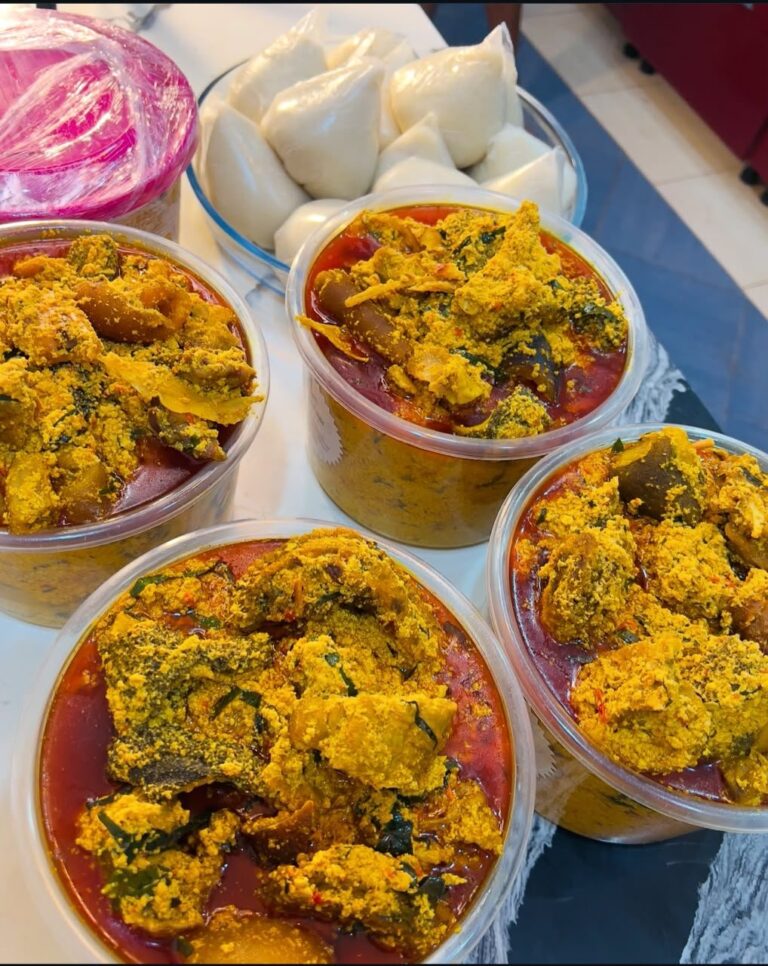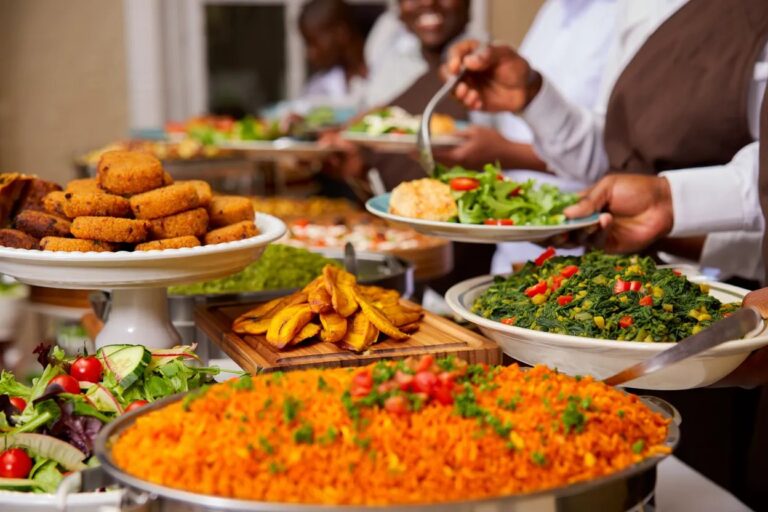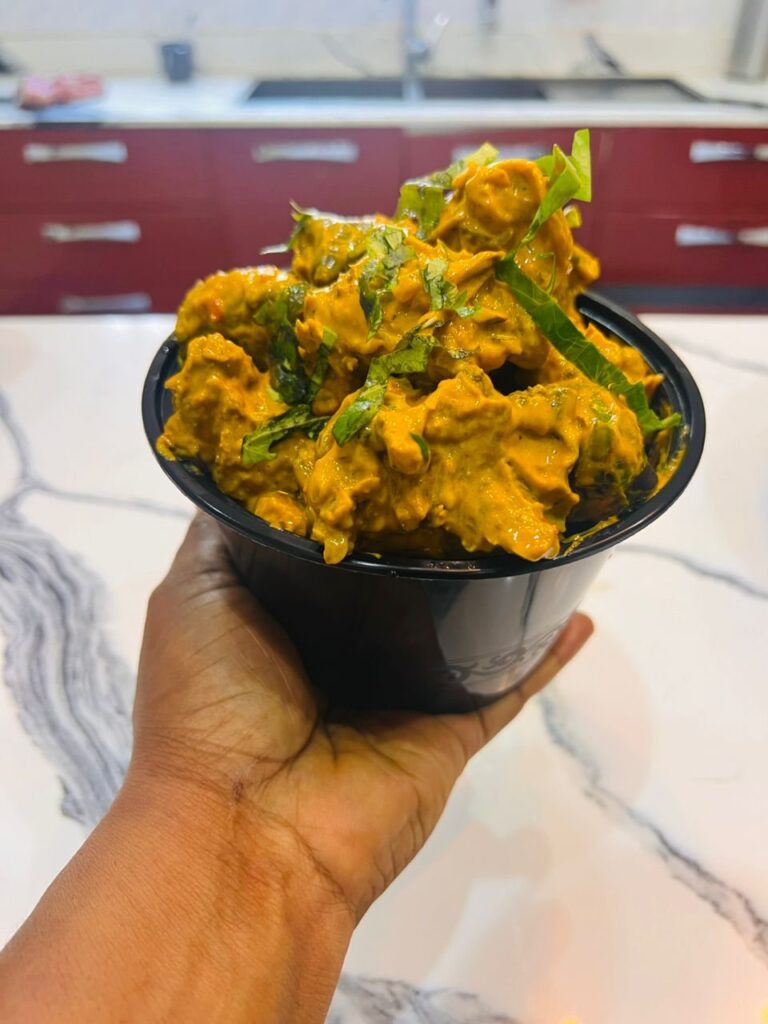
When Nigerians move, food moves with them. Recipes, cravings, ingredients, restaurant ideas, party menus and family expectations travel across borders. A person may leave Nigeria but still want jollof rice for a party, Egusi soup with pounded yam on a weekend, Oha soup when they miss home or pepper soup when they want comfort.
This movement has helped Nigerian food become part of African cuisine abroad. In cities with West African communities, Nigerian dishes may appear at restaurants, church events, weddings, university gatherings, office lunches, family parties and delivery menus.
But influence should not be exaggerated or simplified. Nigerian food does not represent all African food. It contributes to a larger, diverse ecosystem of African cuisines abroad. The best way to describe its influence is through visibility, demand, memory, restaurants, events and cross-cultural curiosity.
Quick Summary
Nigerian food has influenced African cuisine abroad by making dishes such as jollof rice, fried rice, egusi soup, pepper soup, plantain, moi moi, suya-style grilled meat and swallow pairings more visible in diaspora restaurants, events, home kitchens and social media conversations.
Influence should be described carefully. African cuisine abroad is not one thing, and Nigerian food exists alongside Ghanaian, Senegalese, Ethiopian, Somali, South African, Ivorian and many other food traditions. Nigerian cuisine contributes strongly to the wider conversation, especially through restaurants, parties, catering and diaspora family meals.
For a cultural foundation, read The Complete Guide to Nigerian Food Culture, then explore the soups guide, rice guide, swallow guide and ingredients guide.
What Influence Looks Like
Influence does not always mean one cuisine replaces another. It can mean a dish becomes more familiar, a restaurant introduces new diners to a flavor, or a party menu shapes what people expect from West African food.
Nigerian Food Abroad Often Appears Through
- Diaspora restaurants.
- Family home cooking.
- Church and community events.
- Weddings and birthday parties.
- Office lunch orders.
- University and student gatherings.
- Food content and social media.
- Delivery and takeaway menus.
- Cross-cultural friendships and marriages.
In Accra, Nigerian food also lives in a close West African context where Nigerians, Ghanaians and visitors can explore shared and distinct food traditions.
Historical Context
Nigerian food abroad is connected to migration, education, trade, professional movement, family networks, religious communities and diaspora entrepreneurship. As Nigerians settled in different countries, food became a way to maintain identity and serve community demand.
Specific timelines vary by country and city, so avoid unsupported claims about when Nigerian food “arrived” in a particular place unless credible sources are used. This article focuses on broad patterns rather than exact historical dates.
Regional Variations
Nigerian food abroad may not represent every Nigerian region equally. Restaurant menus often choose dishes that are recognizable, practical to prepare or in demand. That can make some dishes more visible than others.
| Abroad Context | What Often Becomes Visible | What May Be Less Visible |
|---|---|---|
| Restaurants | Jollof rice, fried rice, egusi, pepper soup, plantain, swallow options | Highly local dishes requiring niche ingredients |
| Weddings and parties | Rice dishes, proteins, moi moi, soups, small chops | Home-specific family dishes |
| Home kitchens | Family soups, stews, rice, beans, yam, swallow | Dishes that need ingredients hard to find locally |
| Delivery menus | Practical meals that travel well | Foods that lose quality quickly |
| Cultural events | Recognizable dishes for mixed audiences | Deep regional specialties without explanation |
This does not mean less visible dishes are less important. It means access, demand and logistics shape what appears abroad.
Interesting Cultural Notes
Nigerian food abroad often becomes a bridge between people. A Nigerian may invite a Ghanaian, Caribbean, European, American or Asian friend to try jollof rice. A coworker may taste egusi for the first time at lunch. A spouse may learn to enjoy swallow foods through family meals.
Jollof as a Conversation Starter
Jollof rice is one of the most visible West African dishes abroad. Nigerian jollof often appears in friendly debates, parties and restaurant menus. These conversations can be playful, but articles should avoid turning them into disrespectful comparisons.
Soup and Swallow as Deeper Discovery
For many beginners, soup and swallow is a second step after rice. It introduces texture, technique and traditional meal structure.
Ingredients as Identity
Palm oil, crayfish, stockfish, pepper, fermented seasonings and leaves can carry the taste of home. Read Understanding Nigerian Ingredients and Spices for more context.
Helpful Tables
| Influence Path | How It Works | Example |
|---|---|---|
| Restaurants | Make Nigerian dishes visible to Nigerians and non-Nigerians | Jollof rice, egusi soup, plantain |
| Events | Serve Nigerian food to large mixed groups | Weddings, church programs, birthdays |
| Home cooking | Preserves family taste and memory | Weekend soups, stews, swallow |
| Delivery | Makes familiar meals convenient abroad | Soup, rice and meal packs |
| Social media | Spreads curiosity and debate | Jollof conversations, food videos |
| Cross-cultural dining | Introduces dishes through friendship and family | First-time soup and swallow meals |
| Dish Category | Why It Travels Well Culturally | Related Guide |
|---|---|---|
| Rice dishes | Familiar, festive, easy to serve | The Complete Guide to Nigerian Rice Dishes |
| Soups | Strong comfort and identity value | The Ultimate Guide to Nigerian Soups |
| Swallows | Distinctive traditional texture | The Complete Guide to Nigerian Swallow Foods |
| Ingredients | Carry recognizable aroma and depth | Understanding Nigerian Ingredients and Spices |
| Catering | Makes cuisine visible at events | The Ultimate Nigerian Catering Guide |
Quick Facts
- Nigerian food abroad is shaped by diaspora communities, restaurants, events and home cooking.
- Jollof rice is highly visible, but Nigerian cuisine abroad is much broader than jollof.
- Soup and swallow often carry strong memory for Nigerians abroad.
- Restaurants may choose dishes based on demand, ingredient access and delivery practicality.
- Nigerian food contributes to African cuisine abroad without representing all African cuisines.
- Cultural influence should be described with balance and evidence.
Did You Know
A restaurant menu abroad can become a cultural introduction. Someone may first learn about Egusi, Oha, Afang or swallow foods because a Nigerian restaurant made the dish accessible.
Did you know that diaspora food often adapts? Ingredient access, customer preference, delivery needs and local regulations can change how dishes are prepared or presented.
Nigerian Food in Ghana
Ghana is not “abroad” in the same distant sense for many West Africans, but Nigerian food in Ghana still carries diaspora meaning. Nigerians in Accra may want familiar dishes, while Ghanaians and visitors may want to explore Nigerian cuisine.
AdaOwerri Kitchen sits in that practical space: cultural familiarity for Nigerians, discovery for new diners and group food support for offices, families and events.
Use How to Order Authentic Nigerian Food in Accra for ordering guidance.
Ready To Order?
If you are in Accra and want Nigerian food that connects culture with convenience, browse the AdaOwerri Kitchen Menu. For family gatherings, diaspora community events, office meals or celebrations, use Bulk Orders and review Delivery for logistics.
Need Help Choosing?
For help choosing dishes that suit Nigerians and first-time diners in the same group, reach AdaOwerri Kitchen through Contact or the WhatsApp option on the site. Share your guest count, delivery area, spice preferences and menu ideas.
Frequently Asked Questions
How has Nigerian food influenced African cuisine abroad?
It has contributed through diaspora restaurants, home cooking, events, catering, delivery menus and social media visibility. It is one part of a much wider African food landscape abroad.
What Nigerian dishes are popular abroad?
Commonly visible dishes include jollof rice, fried rice, egusi soup, pepper soup, plantain, moi moi, suya-style grilled meat and swallow pairings. Menus vary by city and restaurant.
Is Nigerian food the same as African food?
No. Nigerian food is one major part of African cuisine, but Africa includes many countries, regions and culinary traditions.
Why is jollof rice so visible internationally?
Jollof rice is festive, familiar, group-friendly and often part of West African food conversations. Nigerian versions are especially visible in diaspora events and restaurants.
How can I try Nigerian food in Accra?
Browse the AdaOwerri Kitchen Menu, check Delivery and use Contact for questions about current dishes.
Conclusion
Nigerian food has influenced African cuisine abroad by making certain flavors, dishes and meal traditions more visible. It travels through families, restaurants, weddings, church events, student gatherings, delivery menus and social conversations.
The influence is real, but it should be described with care. Nigerian cuisine is not all African cuisine. It is a strong, generous and visible contributor to a larger African food world.