Traditional Nigerian meals are easier to understand when you stop looking for one national timetable. There is no single breakfast, lunch or dinner that represents every Nigerian household. A family in Lagos, Owerri, Kano, Calabar, Abuja, Enugu, Ibadan or Port Harcourt may eat very differently depending on region, religion, income, work schedule, school routine, family size and personal preference.
Still, there are familiar patterns. Breakfast may include akara, pap, bread, tea, yam, eggs, moi moi or leftovers. Lunch may be rice, beans, plantain, yam, stew, soup or an office meal pack. Dinner may be soup and swallow, rice, beans, pepper soup, yam or a lighter meal.
This article explains breakfast, lunch and dinner in Nigerian food culture without pretending that every household follows the same rules. It is written for beginners, visitors, Nigerians abroad, Ghanaians exploring Nigerian food and anyone deciding what to order from AdaOwerri Kitchen.
Quick Summary
Traditional Nigerian meals do not follow one fixed pattern. Breakfast may be light or hearty. Lunch may be rice, beans, yam, plantain, stew or a packed meal. Dinner may be soup and swallow, rice leftovers, beans, yam or whatever suits the household schedule.
Many Nigerian families organize meals around practicality: what is available, who is eating, how much time there is, whether the food should be reheated and whether the meal needs to satisfy children, elders, workers or guests.
For a broader cultural frame, read The Complete Guide to Nigerian Food Culture. For specific categories, continue with the soups guide, rice dishes guide, swallow foods guide and ingredients guide.
Breakfast in Nigerian Food Culture
Breakfast can be simple, filling or skipped entirely, depending on the household and schedule. In some homes, breakfast is a proper cooked meal. In others, it is tea, bread, fruit, pap or whatever can be eaten quickly before school or work.
Common Breakfast-Style Foods
Breakfast-style Nigerian foods may include:
- Akara with pap or bread.
- Moi moi with pap, custard or bread.
- Yam with egg sauce or stew.
- Bread with tea.
- Beans or beans porridge.
- Plantain, fried yam or potatoes.
- Leftover rice, stew or soup.
The word “traditional” can be flexible here. Some families consider akara and pap traditional. Others see bread and tea as normal everyday breakfast. Many households mix older food habits with modern convenience.
Breakfast Ordering Tips
If ordering from a restaurant, confirm current availability. Do not assume every breakfast-style dish is prepared daily. Use the AdaOwerri Kitchen Menu and Contact page to ask what is available.
Lunch in Nigerian Food Culture
Lunch often needs to be practical. It may be eaten at home, packed for work, delivered to an office, bought from a food vendor or served at a gathering.
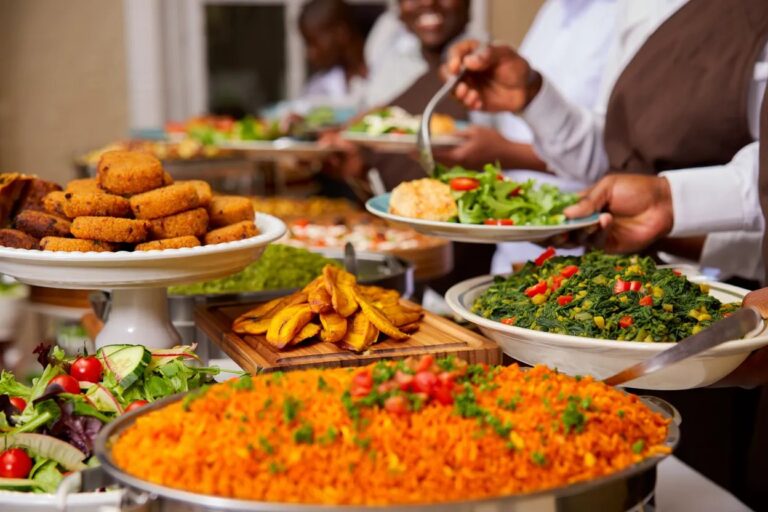
Rice is popular for lunch because it travels well and works with many proteins and sides. Jollof rice, fried rice, coconut rice and white rice with stew are common options. Beans, yam, plantain and soup can also work depending on the setting.
Common Lunch Directions
- Jollof rice with chicken, beef, fish or turkey.
- Fried rice with protein and salad-style sides.
- White rice with stew or sauce.
- Beans with plantain.
- Yam with stew.
- Moi moi with rice or pap.
- Soup and swallow for a heavier meal.
- Pepper soup or a lighter protein-led meal.
For rice options, read The Complete Guide to Nigerian Rice Dishes and Everything You Need to Know About Nigerian Jollof Rice.
Dinner in Nigerian Food Culture
Dinner varies widely. In some homes, dinner is the main cooked meal of the day. In others, it is lighter because lunch was heavy. A family may eat soup and swallow at night, rice leftovers, beans, yam, plantain or whatever was prepared earlier.
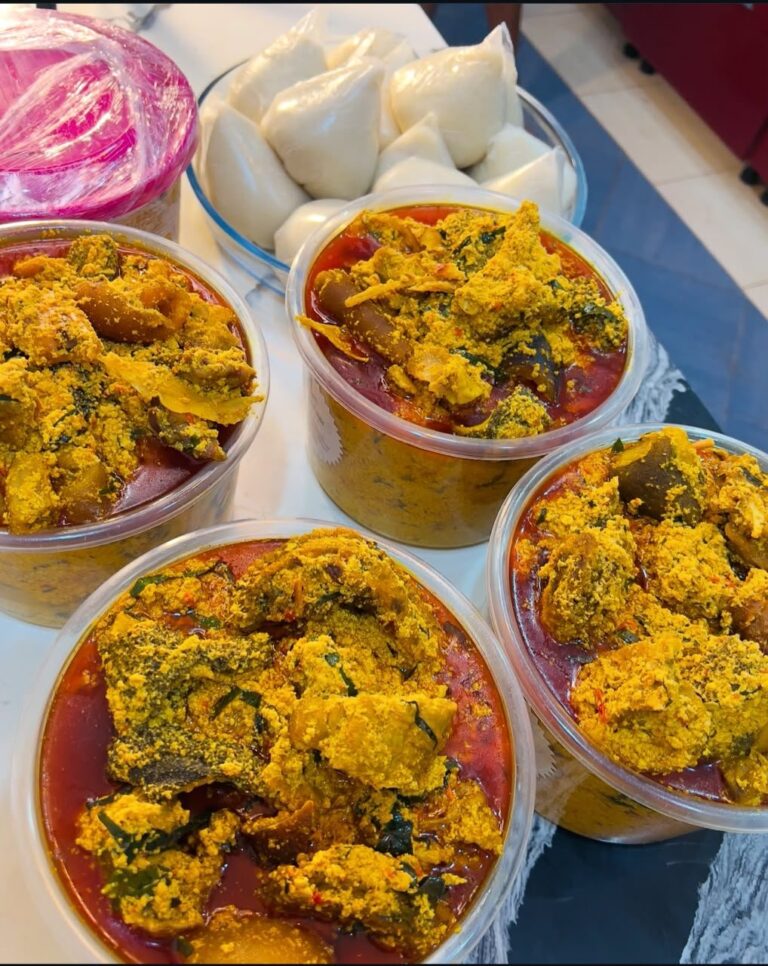
Soup and swallow often feel like a traditional dinner because they are filling and communal. Egusi, Oha, Afang, Ogbono, Bitterleaf or Nsala may be paired with pounded yam, eba, fufu, semovita, amala or wheat swallow.
Soup and Swallow at Night
Soup and swallow can be eaten at lunch or dinner. The timing depends on the household. Some people prefer it when they have time to sit and eat slowly. Others enjoy it as a weekend meal.
If you are new to swallow foods, start with What Is Swallow Food? and How to Choose the Best Swallow for Every Nigerian Soup.
Historical Context
Nigerian meal patterns have changed over time as urban work, schooling, restaurants, refrigeration, packaged foods, migration and delivery options have changed daily routines. Traditional foods remain important, but the time of day when people eat them may shift.
For example, a dish that once required more home preparation may now be ordered from a restaurant. A soup that was cooked for a family weekend may be stored and reheated during the week. A rice dish associated with parties may also become an office lunch.
Avoid rigid statements such as “Nigerians always eat this for dinner.” A safer approach is to describe common meal roles and explain that habits vary.
Regional Variations
Regional and family differences strongly affect meal patterns.
| Region or Food Tradition | Breakfast or Light Meal Ideas | Lunch or Dinner Ideas | Cultural Note |
|---|---|---|---|
| Southeastern traditions | Yam, plantain, leftovers, light soups | Oha, Nsala, Bitterleaf, Abacha, rice | Soup and swallow may be central for family meals. |
| Southwestern traditions | Akara, pap, bread, yam | Amala pairings, ofada rice, stews, rice | Sauce and swallow pairings vary by household. |
| Northern traditions | Masa, tea, bread, beans, grains | Tuwo, stews, suya-style proteins, rice | Grain-based meals and grilled foods are often discussed. |
| South-south/coastal traditions | Plantain, fish, leftovers | Afang, Edikang Ikong, seafood soups | Vegetable-rich soups and seafood can be important. |
| Urban mixed households | Bread, tea, noodles, leftovers | Rice packs, soups, beans, delivery meals | Convenience often shapes timing and portion. |
This table is only a broad educational guide. It does not represent every community.
Interesting Cultural Notes
Breakfast may be the least fixed meal in many households. Lunch and dinner often carry more cultural weight because they are more likely to include rice, soups, swallows, stews or shared serving.
Leftovers also matter. A pot of soup, stew or beans can support several meals. This is why storage and reheating are part of everyday Nigerian food culture. For practical food handling, see How to Store Nigerian Soups Properly and How to Store Cooked Rice Safely.
Helpful Tables
| Time of Day | Common Nigerian Meal Examples | Why It Works |
|---|---|---|
| Breakfast | Akara, pap, moi moi, yam, bread, tea, leftovers | Can be light, quick or filling. |
| Lunch | Jollof rice, fried rice, white rice, beans, yam, plantain | Practical for work, school, delivery and group meals. |
| Dinner | Soup and swallow, rice, beans, pepper soup, yam | Often more relaxed and family-oriented. |
| Weekend meal | Soup, swallow, local dishes, rice trays | Allows more time for cooking or ordering. |
| Event meal | Rice, soups, proteins, sides, swallow | Built around guest count and serving style. |
| Meal Need | Good Direction | Internal Guide |
|---|---|---|
| Beginner-friendly meal | Jollof rice, fried rice, plantain, moi moi | Traditional Nigerian Food Every Visitor Should Try |
| Traditional comfort meal | Soup and swallow | The Ultimate Guide to Nigerian Soups |
| Office lunch | Rice pack or controlled meal pack | Corporate Lunch Catering Guide |
| Family weekend meal | Soup, swallow, rice and sides | Bulk Orders |
| Ingredient learning | Pepper, palm oil, crayfish, leaves | Understanding Nigerian Ingredients and Spices |
Quick Facts
- Nigerian breakfast can be traditional, modern or leftover-based.
- Rice is common for lunch because it is practical and widely liked.
- Soup and swallow can be eaten for lunch or dinner.
- Meal timing varies by family, city, work schedule and personal preference.
- Some Nigerian dishes are better planned ahead, especially soups, swallows and bulk rice.
- Restaurant availability should always be confirmed before assuming a dish can be ordered.
Did You Know
Some people enjoy leftover jollof rice, stew or soup more the next day because the flavors have settled. This is preference, not a rule. Good storage and reheating matter if leftovers are part of the plan.
Did you know that a “traditional meal” can be served in modern ways? A soup and swallow order delivered in good containers can still carry traditional comfort, even when it is not cooked at home.
Choosing What to Eat at Different Times
For a Quick Meal
Choose rice, beans, plantain, yam or a simple protein-led meal. These are easier for a busy day.
For a Hearty Family Meal
Choose soup and swallow, rice with stew and protein, or a mixed menu with sides. Confirm portions if ordering for several people.
For a Group
Rice dishes usually work well for mixed groups. Add soups, swallows or local dishes when guests expect a more traditional spread. Use Bulk Orders for planning.
Ready To Order?
Browse the AdaOwerri Kitchen Menu when you want to turn meal ideas into real choices. For family meals, office lunches, weekend food or event planning, use Bulk Orders so quantities, dish selection and timing can be discussed clearly.
Need Help Choosing?
If you are not sure what to order for breakfast-style, lunch-style or dinner-style eating, use Contact or the WhatsApp ordering option on the site. Share your preferred dishes, number of people, delivery area and spice needs. For delivery details, review Delivery.
Frequently Asked Questions
What do Nigerians eat for breakfast?
Breakfast varies. Common options may include akara, pap, moi moi, bread, tea, yam, eggs, beans, plantain or leftovers.
What is a typical Nigerian lunch?
There is no single typical lunch. Rice, beans, yam, plantain, stew, soup, swallow and meal packs are all possible depending on the person and setting.
Is soup and swallow eaten for dinner?
Yes, many people eat soup and swallow for dinner, but it can also be eaten at lunch. Timing depends on household routine and preference.
Are Nigerian meals always spicy?
No. Many Nigerian dishes use pepper, but heat level varies. Ask for guidance if you prefer a milder meal.
How do I order Nigerian meals for a group?
Use Bulk Orders and include the date, delivery area, guest count, meal type, preferred dishes and serving style.
Conclusion
Traditional Nigerian meals are not locked into one breakfast, lunch and dinner formula. They are shaped by region, family, schedule, appetite, culture and convenience.
The best way to understand them is by role. Breakfast often needs to be quick or filling. Lunch is often practical. Dinner may be comforting, shared and more traditional. Events need a different level of planning.
For a full cultural overview, continue with The Complete Guide to Nigerian Food Culture, then explore rice, soups, swallow foods and ingredients through the related guides.