Ask many Nigerians about food and the answer will rarely be only about hunger. Food can mean welcome. It can mean respect. It can mean family. It can mean celebration, apology, memory, status, comfort, identity or care.
A visitor may be offered food even when they did not expect a meal. A family may cook extra because someone might arrive. A wedding menu may be discussed with as much seriousness as decoration and clothing. A person living abroad may search for the taste of a particular soup because it carries the feeling of home.
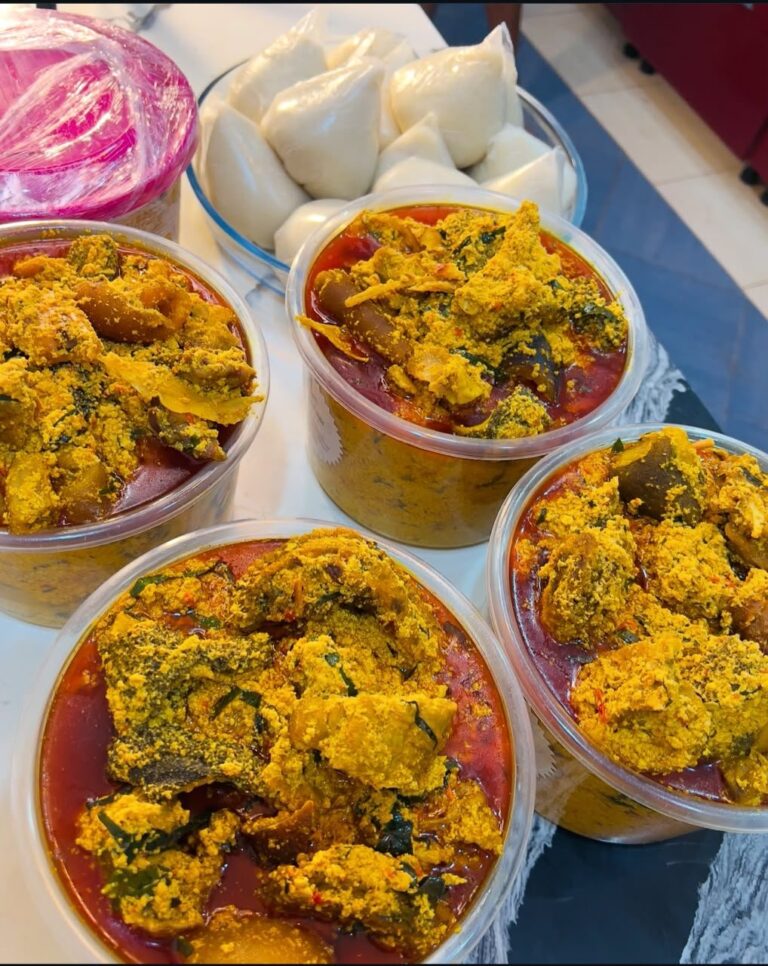
That is why Nigerian food culture deserves more than a list of dishes. Jollof rice, Egusi soup, Oha soup, pounded yam, ofada rice, suya, akara, moi moi, plantain and pepper soup all matter, but the deeper story is how food moves through Nigerian life.
This article explains why food is so central, while staying careful about regional balance. Nigerian communities are not the same everywhere, and no article should pretend that one household tradition is universal. The best way to write about Nigerian food culture is with respect, flexibility and curiosity.
Quick Summary
Food is central to Nigerian culture because it carries hospitality, identity, family care, celebration, memory and regional pride. It is how many hosts welcome guests, how families gather, how celebrations are planned and how people stay connected to home after moving abroad.
There is no single Nigerian food culture that represents everyone. Nigeria is culturally diverse, and food habits vary by ethnic group, state, religion, city, village, household and personal preference. Still, certain themes appear often: generosity, shared meals, rice at gatherings, soup and swallow for traditional meals, pepper and seasoning for flavor, and food as a sign of care.
For a wider foundation, start with The Complete Guide to Nigerian Food Culture. Then explore the Nigerian soups guide, Nigerian rice dishes guide, Nigerian swallow foods guide and Nigerian ingredients and spices guide.
Food as Hospitality
One of the strongest themes in Nigerian food culture is hospitality. In many families and communities, offering food is a practical way to welcome someone.
Food can say that a guest is welcome, expected and valued. It can also show that the host wants people to feel cared for and properly fed.
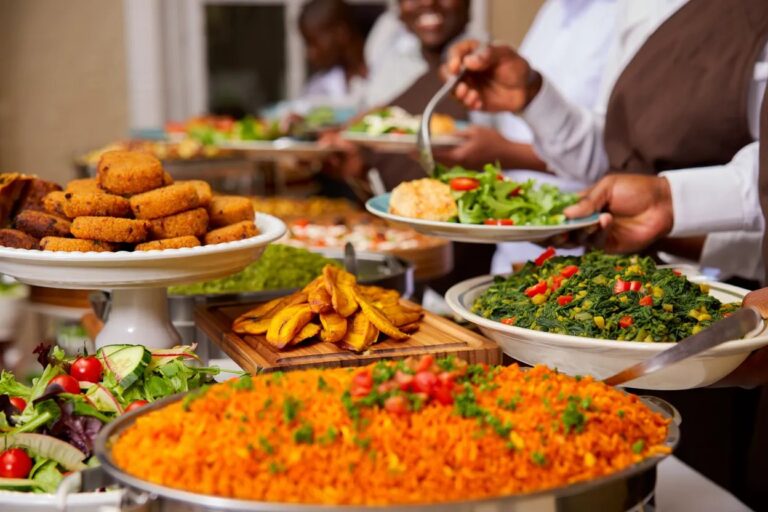
This does not mean every home or event follows the same custom. Some households are formal, others are relaxed. Some hosts serve immediately, while others ask first. Some meals are simple; others are generous spreads. The common thread is that food often becomes a social language.
For restaurants serving Nigerians outside Nigeria, hospitality also has a practical side. A well-packed soup order, a tray of rice for guests or a warm delivery can help people recreate the feeling of being looked after. AdaOwerri Kitchen can naturally support that experience through the Menu, Delivery and Bulk Orders pages.
Hospitality Is Not Only Quantity
Generosity is often associated with abundance, but hospitality is not only about serving a lot of food. It can also mean serving the right food for the occasion.
A host may think about:
- Whether guests eat pepper.
- Whether elders prefer swallow.
- Whether children need milder options.
- Whether the event calls for rice, soup, snacks or a mixed menu.
- Whether food should be packed for guests to take home.
Hospitality is attention, and food is one of the ways that attention becomes visible.
Historical Context
Nigerian food culture has been shaped over time by farming, trade, migration, regional ecology, religion, urban life, family practice and contact with neighboring cultures. Different communities developed food patterns around what was available, what could be preserved, what suited the climate and what carried social meaning.
It is important not to flatten this history. Nigeria includes many ethnic groups and languages, so food history is not one straight line. Some dishes are closely associated with particular regions. Others have moved widely through travel, intermarriage, markets, schooling, restaurants and city life.
When discussing history, use careful language such as “commonly associated with,” “often eaten in,” or “widely enjoyed across.” Avoid unsupported claims about exactly when a dish began, who invented it or what every Nigerian household does.
Regional Variations
Regional identity is one reason Nigerian food feels so rich. A person from southeastern Nigeria may speak with pride about Oha soup, Nsala, Abacha or Nkwobi. Someone from the southwest may mention amala, ewedu, gbegiri, ofada rice or peppery sauces. Northern food conversations may include suya, masa, tuwo and spice-led grilling traditions. South-south and coastal conversations may highlight vegetable soups, seafood and rich soup traditions such as Afang or Edikang Ikong.
These examples are useful, but they are not complete. Food travels, families adapt and cities mix traditions.
| Broad Cultural Food Area | Commonly Discussed Examples | Editorial Caution |
|---|---|---|
| Southeastern traditions | Oha soup, Nsala, Abacha, Nkwobi, Ofe Owerri | Do not imply all Igbo households cook the same way. |
| Southwestern traditions | Ofada rice, amala pairings, ewedu, gbegiri | Avoid treating one state or city as the whole region. |
| Northern traditions | Suya, masa, tuwo, spice-led grilled meats | Be careful with broad religious or ethnic assumptions. |
| South-south and coastal traditions | Afang, Edikang Ikong, seafood-rich soups | Mention diversity within coastal and riverine communities. |
| Cross-regional favorites | Jollof rice, fried rice, moi moi, plantain, pepper soup | Preparation and meaning vary by household and occasion. |
For deeper dish examples, guide readers to Traditional Nigerian Food Every Visitor Should Try.
Family, Memory and Identity
Food carries memory because people often learn it through repetition. A child may remember the smell of stew on a weekend, the texture of pounded yam, the sound of garri being turned into eba, or the way a parent insists that soup needs more pepper, crayfish or palm oil.
Those details become personal. They are why two people can talk about the same dish and disagree warmly about the “right” version. One person may prefer thick Egusi, another may want it looser, and each may be speaking from memory rather than strict rules.
That emotional connection is one reason Nigerian food remains powerful in Accra, London, Houston, Johannesburg and other diaspora communities. Food becomes a way to remember home without being physically there.
Interesting Cultural Notes
Food can appear when welcoming guests, visiting family, celebrating weddings, supporting mourners, hosting church programs, feeding an office group or introducing a friend to Nigerian cuisine for the first time. These situations differ, but they share a cultural idea: food helps people feel included.
Why Rice Often Appears at Events
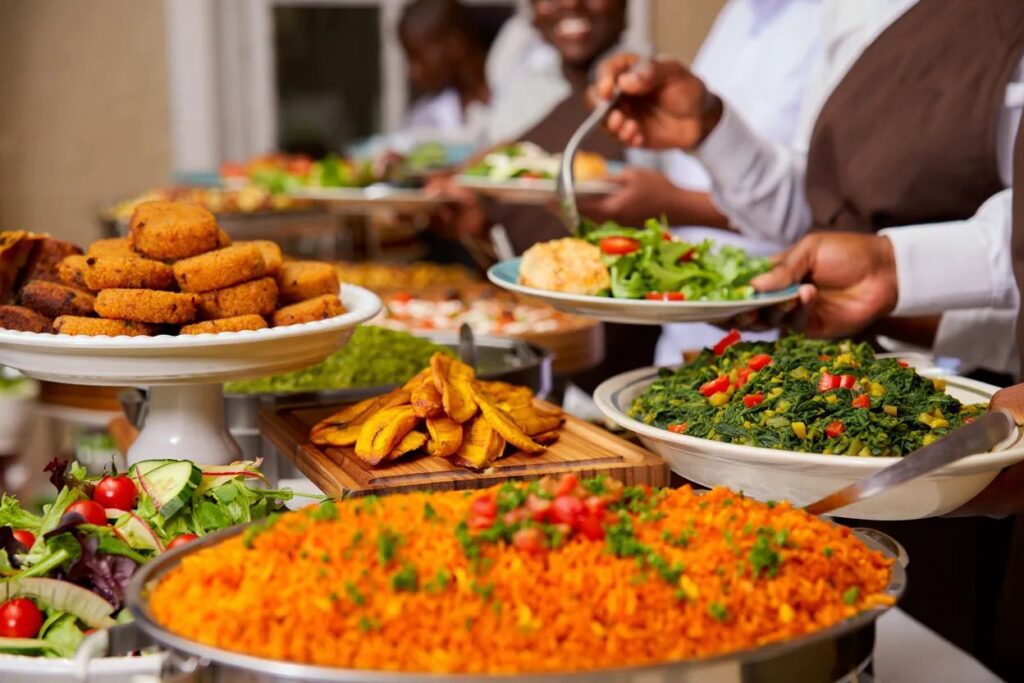
Rice dishes are practical for groups because they are familiar, easy to serve and adaptable. Jollof rice, fried rice, coconut rice and white rice with stew can suit weddings, birthdays, church programs and office lunches. The Nigerian rice dishes guide explains these options in more detail.
Why Soup and Swallow Feel Traditional
Soup and swallow are central to many traditional meals because they bring together texture, flavor, ingredients and method. The swallow carries the soup, while the soup carries layers of seasoning, protein and vegetables. Readers can continue with the Nigerian soups guide and the swallow foods guide.
Helpful Tables
| Cultural Role of Food | What It Often Looks Like | Useful AdaOwerri Kitchen Path |
|---|---|---|
| Hospitality | A visitor is served rice, soup, swallow or a light meal | Menu and Delivery |
| Celebration | Rice trays, soups, proteins and sides for guests | Bulk Orders |
| Family care | Meals chosen for elders, children and preference | Contact for questions |
| Tradition | Soup and swallow, local dishes, familiar ingredients | Food culture, soup, swallow and ingredient guides |
| Convenience | Meal packs, delivery, office food or weekend orders | Menu, delivery and bulk order planning |
| Reader Question | Best Next Article |
|---|---|
| What dishes should I try first? | Traditional Nigerian Food Every Visitor Should Try |
| What soups are most important? | The Ultimate Guide to Nigerian Soups |
| What rice dishes work for groups? | The Complete Guide to Nigerian Rice Dishes |
| What is swallow food? | The Complete Guide to Nigerian Swallow Foods |
| What ingredients create the flavor? | Understanding Nigerian Ingredients and Spices |
Quick Facts
- Nigerian food culture is diverse, not one fixed national menu.
- Hospitality is one of the strongest themes in many Nigerian food settings.
- Rice dishes often suit events because they are familiar and practical.
- Soup and swallow remain central to many traditional meals.
- Pepper, palm oil, crayfish, dried fish, fermented seasonings and leaves help build flavor in many dishes.
- Cultural customs vary by region, religion, family and occasion.
- It is better to ask respectful questions than to assume one rule fits every table.
Did You Know
Many Nigerian food disagreements are really conversations about memory. People may argue over jollof texture, soup thickness, pepper level or the best swallow because those preferences are tied to family experience.
Did you know that restaurant ordering can still be part of food culture? A family may order soup, rice or swallow not because tradition is disappearing, but because modern schedules make support useful. Convenience can help people keep familiar meals in their lives.
Ready To Order?
If this article made you curious about Nigerian food culture, browse the AdaOwerri Kitchen Menu to see current dishes, rice options, soups, swallow foods and sides. For family meals, office lunches, weddings, church programs or private gatherings, use Bulk Orders so the team can help plan a practical menu.
Need Help Choosing?
Have a question about what to try first, what to order for a group or whether a dish is available today? Reach AdaOwerri Kitchen through Contact or the WhatsApp ordering route listed on the site. Share your guest count, preferred dishes, delivery area and timing so the team can guide you clearly.
Frequently Asked Questions
Why is food so important in Nigerian culture?
Food is important because it often expresses hospitality, family care, identity, celebration and respect. It is also a way people remember home and share culture with others.
Is there one national Nigerian food tradition?
No. Nigeria is culturally diverse. Food traditions vary across ethnic groups, states, religions, communities, families and personal preferences.
What Nigerian foods are good for beginners?
Many beginners start with jollof rice, fried rice, plantain, moi moi, pepper soup or a soup and swallow pairing. The best choice depends on spice tolerance and texture preference.
Why are rice dishes common at Nigerian celebrations?
Rice dishes are practical for serving groups, easy to pair with proteins and familiar to many guests. Jollof rice and fried rice are especially common at parties and events.
How can I order Nigerian food in Accra?
Use the AdaOwerri Kitchen Menu to explore dishes, Delivery for location details, Bulk Orders for groups and Contact for questions.
Conclusion
Food is central to Nigerian culture because it does more than feed people. It welcomes, remembers, celebrates, comforts and connects. It helps families express care, hosts serve guests, communities mark important moments and people abroad stay close to home.
The key is to describe Nigerian food culture with respect. It is generous, but not uniform. It is traditional, but still changing. It is regional, but also shared across cities, families and diaspora spaces.
For a full cultural foundation, continue with The Complete Guide to Nigerian Food Culture, then explore soups, rice dishes, swallow foods and ingredients through the related guides.