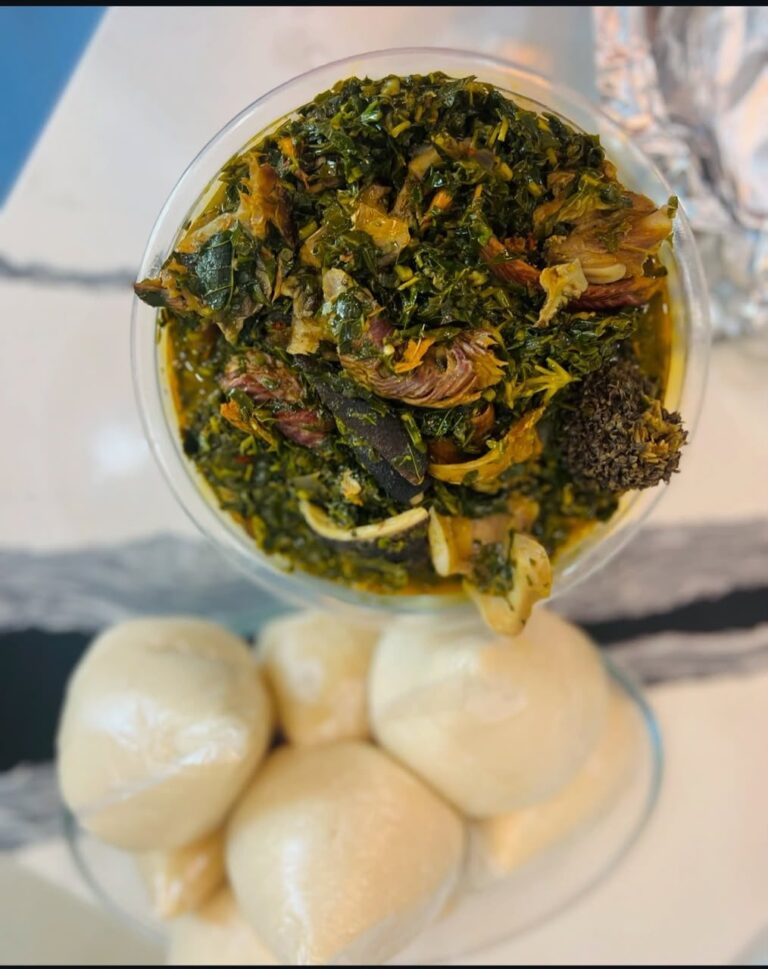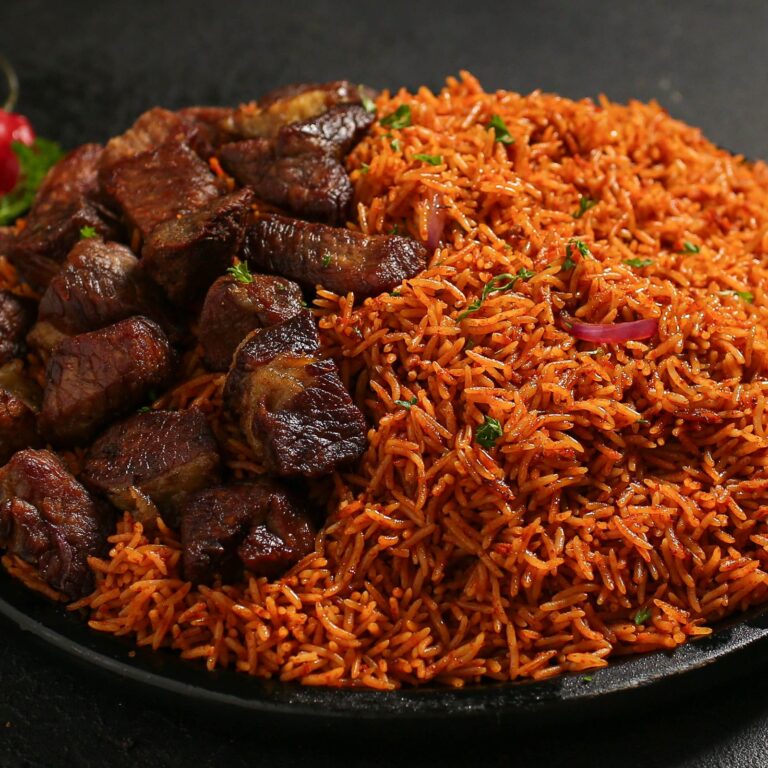
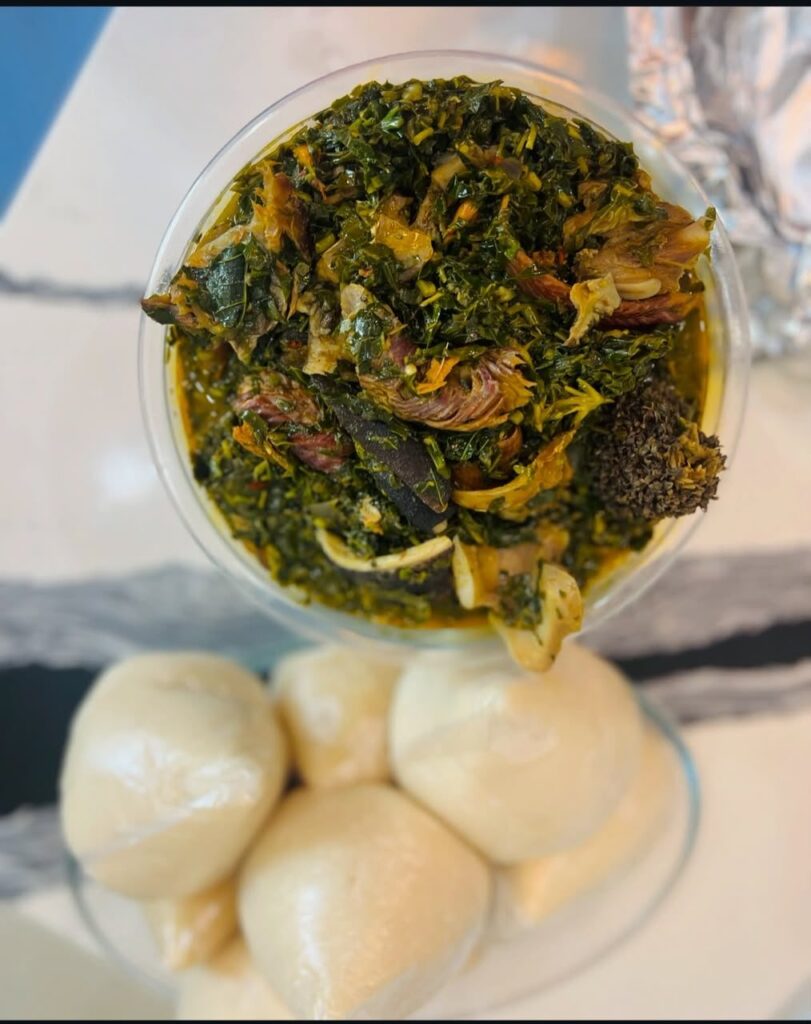
Nigerian food is not only about what goes into the pot. It is also about what happens to those ingredients. Pepper may be blended, fried, simmered or used fresh. Palm oil may be heated gently into a soup base. Leaves may be added at the right time to protect texture. Rice may steam until each grain carries sauce. Swallow may be turned until smooth enough to pair with soup.
Cooking methods explain why Nigerian food can feel layered. The flavor is not always instant. It often comes from stages: washing, soaking, boiling, frying, simmering, stirring, pounding, seasoning and resting.
This article explains traditional cooking methods in Nigerian cuisine without becoming a recipe. It gives readers the language to understand dishes, menus and preparation styles.
Quick Summary
Traditional Nigerian cooking methods include boiling, steaming, frying, roasting, grilling, simmering, pounding, stirring, drying, smoking and fermenting. These methods create the textures and flavors people associate with Nigerian meals.
A soup may rely on slow simmering, palm oil, pepper, stock, dried seafood, leaves and proteins. A swallow depends on stirring, pounding or turning until the texture is smooth. Rice dishes may build flavor through tomato-pepper bases, stock, oil, seasoning and steam.
For cultural context, read The Complete Guide to Nigerian Food Culture. For dish categories, continue with The Ultimate Guide to Nigerian Soups, The Complete Guide to Nigerian Rice Dishes, The Complete Guide to Nigerian Swallow Foods and Understanding Nigerian Ingredients and Spices.
Why Cooking Methods Matter
Two cooks can use similar ingredients and produce different results because method changes everything. Pepper fried in oil tastes different from raw blended pepper. A soup simmered with stockfish tastes different from one rushed at the end. Swallow that is not turned well may lose the texture people expect.
Method Shapes Texture
Texture is central to Nigerian food. Draw soups, leafy soups, thick egusi, smooth swallow, fluffy rice and crisp fried snacks all depend on technique.
Method Builds Flavor
Flavor can come from browning, simmering, steaming, seasoning layers, dried ingredients and the way oil carries pepper and aromatics.
Historical Context
Traditional Nigerian cooking methods developed around available ingredients, fuel sources, preservation needs, farming patterns, household labor, markets and community practice. Drying, smoking and fermenting helped preserve flavor before modern refrigeration became common. Boiling, roasting, pounding and simmering remain important even in modern kitchens.
Modern equipment has changed how people cook. Blenders, gas cookers, freezers, pressure pots and delivery kitchens can speed up preparation, but many core methods still matter.
Avoid claiming that one technique is used by all Nigerians. Methods vary by region, household, dish and available equipment.
Core Nigerian Cooking Methods
Boiling
Boiling is used for yam, rice, beans, plantain, proteins, stock and some swallow bases. It can be simple, but timing matters. Overcooked yam, watery rice or tough protein can affect the meal.
Frying
Frying appears in akara, plantain, fried yam, pepper bases, stews and some proteins. It can create crispness, deepen flavor or reduce a sauce.
Steaming
Steaming is important for foods such as moi moi and for holding some dishes gently. It helps create soft texture without direct frying.
Roasting and Grilling
Roasting plantain, grilling meat and charring peppers can bring smoke, sweetness and depth. Street-food favorites often depend on these methods.
Simmering Soups
Many Nigerian soups rely on simmering so stock, protein, oil, pepper, leaves, seeds and seasonings come together. For soup examples, use Egusi Soup Explained and Ogbono Soup.
Pounding, Turning and Stirring Swallow
Swallow foods depend on texture. Pounded yam, eba, fufu, semovita, amala and wheat swallow all require attention so they pair well with soup.
Regional Variations
| Method | Foods Commonly Connected | Regional or Cultural Note |
|---|---|---|
| Pounding | Pounded yam, some traditional preparations | Strongly associated with texture and effort in many homes. |
| Turning or stirring | Eba, semovita, amala, wheat swallow | Common in modern kitchens because it is practical. |
| Simmering | Egusi, Oha, Afang, Ogbono, Bitterleaf | Soup timing varies by ingredients and household style. |
| Roasting | Plantain, corn, meats, peppers | Common in street and home contexts. |
| Steaming | Moi moi, some wrapped foods | Wrapping and container methods vary. |
| Drying and smoking | Fish, meat, peppers, crayfish | Helps preserve and deepen flavor. |
| Fermenting | Iru, dawadawa, ogiri and related seasonings | Names and uses vary across communities. |
Interesting Cultural Notes
Nigerian cooking often values “done properly” texture. A swallow should not be lumpy. Rice should not be carelessly soggy. Soup should not taste flat. Leaves should not be destroyed when freshness matters. Pepper should be present but balanced for the eater.
These standards are personal as much as cultural. People learn them at home, in restaurants, from relatives, in markets and through repeated eating.
Helpful Tables
| Method | What It Does | Food Examples |
|---|---|---|
| Boiling | Softens and cooks staple foods | Yam, rice, beans, proteins, stock |
| Frying | Adds crispness or deepens sauce | Akara, plantain, stew, pepper base |
| Steaming | Creates gentle, moist texture | Moi moi, some wrapped foods |
| Roasting | Adds smoke and sweetness | Plantain, corn, peppers |
| Simmering | Blends ingredients slowly | Soups and stews |
| Turning | Creates smooth swallow texture | Eba, amala, semovita |
| Drying or smoking | Preserves and intensifies flavor | Stockfish, dry fish, crayfish |
| Fermenting | Adds savory depth | Iru, dawadawa, ogiri |
| Ingredient Group | Method That Often Matters | Related Guide |
|---|---|---|
| Pepper and tomato bases | Frying and simmering | Understanding Nigerian Pepper |
| Seeds and thickeners | Simmering and texture control | Egusi Seeds Explained |
| Leaves | Timing and gentle cooking | Traditional Nigerian Leaves |
| Rice | Steaming and moisture control | Common Rice Cooking Mistakes |
| Swallows | Turning, pounding and resting | Common Swallow Mistakes |
Quick Facts
- Nigerian flavor often comes from both ingredients and method.
- Soup texture depends on timing, thickener, leaves and protein.
- Swallow texture depends on stirring, pounding or turning technique.
- Drying, smoking and fermenting help create deep savory flavor.
- Modern tools can change preparation without removing cultural meaning.
- This article is educational and not a recipe guide.
Did You Know
Some Nigerian ingredients are powerful because of preservation. Stockfish, dry fish, crayfish and fermented seasonings can bring depth that fresh ingredients alone may not provide.
Did you know that the same pepper base can taste different depending on whether it is boiled, fried, simmered or combined with stock? Method changes flavor.
Cooking Methods and Ordering
Why Restaurants Need Timing
Soups, swallows, rice and proteins do not all behave the same after cooking. Timing affects texture and quality, especially for delivery.
Why Reheating Matters
Some foods reheat better than others. Learn more from How to Reheat Nigerian Soups Without Losing Flavour and How to Reheat Rice Without Losing Taste or Texture.
Why Storage Matters
Food safety and quality depend on proper storage. Use How to Store Nigerian Soups Properly and How to Store Cooked Rice Safely for practical guidance.
Ready To Order?
When you browse the AdaOwerri Kitchen Menu, look beyond dish names and notice methods: simmered soups, cooked rice, prepared swallows, seasoned proteins and sides. For family meals or event portions, use Bulk Orders so timing and menu format can be planned well.
Need Help Choosing?
Have questions about soup texture, swallow pairings, delivery timing or what travels best? Reach AdaOwerri Kitchen through Contact or the WhatsApp option on the site. Review Delivery for practical service information.
Frequently Asked Questions
What are traditional Nigerian cooking methods?
Common methods include boiling, frying, steaming, roasting, grilling, simmering, pounding, turning, drying, smoking and fermenting.
Why do Nigerian soups take time?
Many soups need time for stock, proteins, pepper, palm oil, leaves, thickeners and seasonings to come together.
How is swallow prepared?
Swallow preparation depends on the type. Some are pounded, while others are turned or stirred with hot water until smooth.
Why are dried fish and crayfish used in Nigerian cooking?
They add savory depth and aroma. Their use varies by dish, region and household preference.
Can modern kitchens still make traditional Nigerian food?
Yes. Modern tools can make preparation more convenient while still respecting traditional flavor and texture.
Conclusion
Traditional Nigerian cooking methods help explain why the cuisine is so flavorful and textural. Boiling, frying, steaming, roasting, simmering, pounding, turning, drying and fermenting all contribute to the final meal.
Understanding method makes you a better eater and a more confident customer. You can ask better questions, choose better pairings and appreciate why soups, rice dishes and swallow foods need care.