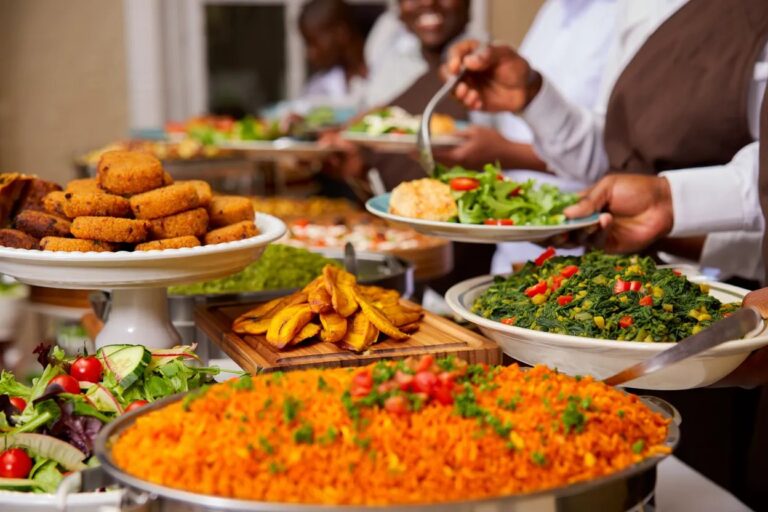
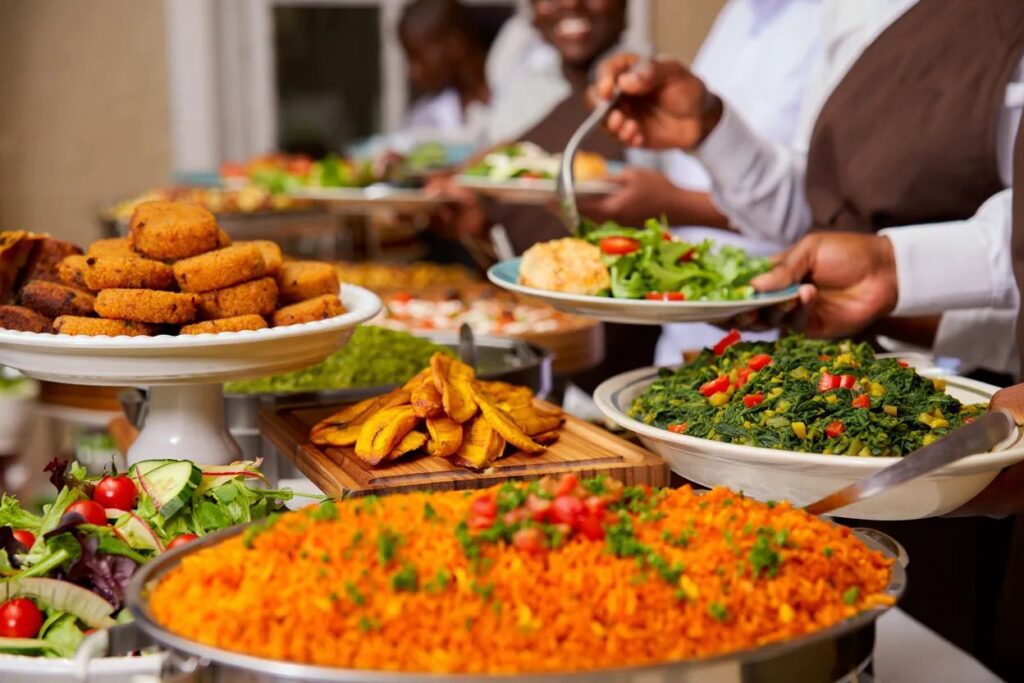
Food is often one of the clearest signs that a Nigerian celebration is happening. A family may cook more than usual. Guests may be expected. Rice trays may appear. Soup may be prepared in larger quantities. Meat, fish, plantain, moi moi or pepper soup may join the table. In some cases, food is packed and sent to relatives, neighbors, church members, colleagues or friends.
But festival food should be described carefully. Nigeria is religiously and culturally diverse. A Christmas meal in one household may look different from another. Eid food varies by region, family and community. New Yam celebrations are not observed in the same way everywhere. A church program, funeral reception or naming ceremony may have its own expectations.
This article explains how food works in Nigerian festivals and celebrations without pretending that one menu fits all.
Quick Summary
Nigerian festival foods vary widely by religion, region, family, city and occasion. Christmas, Eid, Easter, New Yam celebrations, weddings, naming ceremonies, church programs, birthdays and funerals may all involve food, but the exact dishes are not the same everywhere.
Common celebration directions include jollof rice, fried rice, white rice and stew, soups, swallows, proteins, plantain, moi moi, small chops, pepper soup and local dishes. Some families include dishes connected to their background, while others choose practical crowd favorites.
For wider context, read The Complete Guide to Nigerian Food Culture. For menu planning, connect to The Ultimate Nigerian Catering Guide, The Complete Guide to Nigerian Rice Dishes, The Ultimate Guide to Nigerian Soups and The Complete Guide to Nigerian Swallow Foods.
Why Food Matters at Festivals
Festival food carries more than flavor. It can show gratitude, welcome guests, honor family, mark religious or cultural time and create a sense of abundance.
Food may help people:
- Gather after worship or ceremony.
- Welcome visitors and relatives.
- Mark a holiday or seasonal event.
- Feed community members.
- Share family identity.
- Remember home while living abroad.
- Support guests during long programs or receptions.
For practical group planning, use Bulk Orders and confirm current options through Contact.
Historical Context
Festival and celebration foods have long been shaped by harvest cycles, religious calendars, family customs, community obligations and regional ingredients. Modern celebrations also reflect city life, catering, delivery, restaurants, diaspora communities and time constraints.
Because specific festival histories can be complex, avoid unsupported claims about exact origins or universal customs. If a future article focuses on one festival, such as Nigerian Christmas foods or Eid foods across Nigeria, it should use careful sourcing and regional voices.
Regional Variations
| Celebration Context | Food Direction Often Seen | Variation to Respect |
|---|---|---|
| Christmas gatherings | Rice dishes, meats, soups, plantain, family favorites | Christian households vary by region and family budget. |
| Eid celebrations | Rice dishes, meat dishes, stews, family foods | Muslim communities are diverse across northern and southern Nigeria. |
| New Yam events | Yam-focused meals in communities where observed | Not every Nigerian community observes this tradition the same way. |
| Weddings and birthdays | Jollof rice, fried rice, proteins, local dishes, soups | Menus depend on family, region and event size. |
| Church programs | Packed meals, rice dishes, soups, simple group food | Practical service may matter more than variety. |
| Funeral receptions | Respectful, filling food for guests | Menu and tone should match family custom. |
Interesting Cultural Notes
Celebration food often balances emotion and logistics. The host may want the meal to feel generous, but the food still needs to be served safely, warmly and on time.
Rice as Celebration Food
Rice is common at many celebrations because it is practical for groups. Jollof rice, fried rice, coconut rice and white rice with stew can be served in trays, packs or buffet settings. Read Everything You Need to Know About Nigerian Jollof Rice for one of the strongest party-food examples.
Soup and Swallow as Traditional Depth
Soup and swallow can make a celebration feel more traditional or family-centered. Egusi, Oha, Afang, Ogbono, Bitterleaf and Nsala may be paired with pounded yam, eba, fufu or semovita depending on preference.
Local Dishes as Identity
Some families add local dishes to honor heritage. This can be meaningful, but dishes should be labelled clearly for mixed guests.
Helpful Tables
| Food Category | Festival Role | Planning Note |
|---|---|---|
| Jollof rice | Familiar celebration dish | Works well for mixed groups. |
| Fried rice | Adds color and variety | Needs careful holding and serving. |
| White rice and stew | Flexible and practical | Sauce quantity should be planned. |
| Soups | Traditional depth and comfort | Needs swallow and containers. |
| Swallows | Supports soup-focused menus | Texture and timing matter. |
| Proteins | Makes plates feel complete | Choice affects budget and satisfaction. |
| Local dishes | Reflects heritage | Confirm availability and guest familiarity. |
| Meal packs | Efficient for programs | Useful for churches, offices and conferences. |
| Planning Question | Why It Matters |
|---|---|
| Is the event religious, cultural, family or corporate? | Tone affects menu choice. |
| Will guests sit, stand or collect packs? | Service style affects food choice. |
| Are elders, children or first-time diners present? | Spice and texture choices may need balance. |
| Is the celebration long? | Food timing and quantity need structure. |
| Will guests expect takeaway? | Packaging and quantity planning change. |
Quick Facts
- Nigerian festival food varies by religion, region, family and occasion.
- Rice dishes are common because they are practical for groups.
- Soup and swallow can add cultural depth to celebration menus.
- Eid, Christmas and New Yam food traditions should be discussed with careful regional sensitivity.
- Large events need timing, serving style, guest count and delivery planning.
- Food can be central to celebration without being the same everywhere.
Did You Know
A celebration menu can be meaningful even when it is simple. A well-planned rice dish, protein and side can serve guests better than a crowded menu that is difficult to manage.
Did you know that some holiday food memories are tied less to a dish name and more to a feeling? The smell of stew, the sight of rice trays, the sound of family arriving or the act of packing food for guests can all become part of the tradition.
Festival Food Planning Tips
Plan Around the Occasion
A family Christmas lunch, Eid open house, church program and funeral reception do not need the same menu. Start with the purpose of the gathering.
Keep Guest Comfort in Mind
Offer at least one familiar dish for mixed groups. Label soups, swallows and spicy foods where possible.
Confirm Delivery and Timing
Celebration days can be busy. Confirm location, receiver contact, serving time and delivery needs early. Use Delivery for logistics and Contact for questions.
Ready To Order?
For Nigerian celebration meals in Accra, browse the AdaOwerri Kitchen Menu and use Bulk Orders for family gatherings, church programs, office celebrations, weddings or holiday meals. For event planning detail, read The Ultimate Nigerian Catering Guide.
Need Help Choosing?
To discuss a festival or celebration order, contact AdaOwerri Kitchen through the WhatsApp option on the site or Contact. Include the date, location, number of guests, preferred dishes, serving style and delivery time.
Frequently Asked Questions
What foods are eaten at Nigerian festivals?
Food varies by festival, region, religion and family. Common directions may include rice dishes, soups, swallows, proteins, plantain, moi moi, pepper soup and local dishes.
What do Nigerians eat at Christmas?
Many Nigerian Christmas meals include rice dishes, meats, stews, soups or family favorites, but customs vary widely by household and region.
What foods are served for Eid in Nigeria?
Eid food varies by community and family. Rice dishes, meat dishes, stews and family-specific foods may appear, but it is best not to describe one menu as universal.
Is jollof rice a festival food?
Jollof rice is common at many celebrations because it is familiar, festive and practical for groups.
How do I plan food for a Nigerian festival gathering in Accra?
Start with guest count, date, location, preferred menu, serving style and delivery needs. Use Bulk Orders or Contact to enquire.
Conclusion
Nigerian festival foods are about more than dishes. They are about gathering, welcome, memory, faith, family and community. The exact meal changes from one celebration to another, but the cultural purpose often remains: people should feel included and cared for.
When writing or planning, respect variation. Avoid saying every Nigerian festival has one food. Instead, explain how rice, soups, swallows, proteins and local dishes can serve different celebration needs.