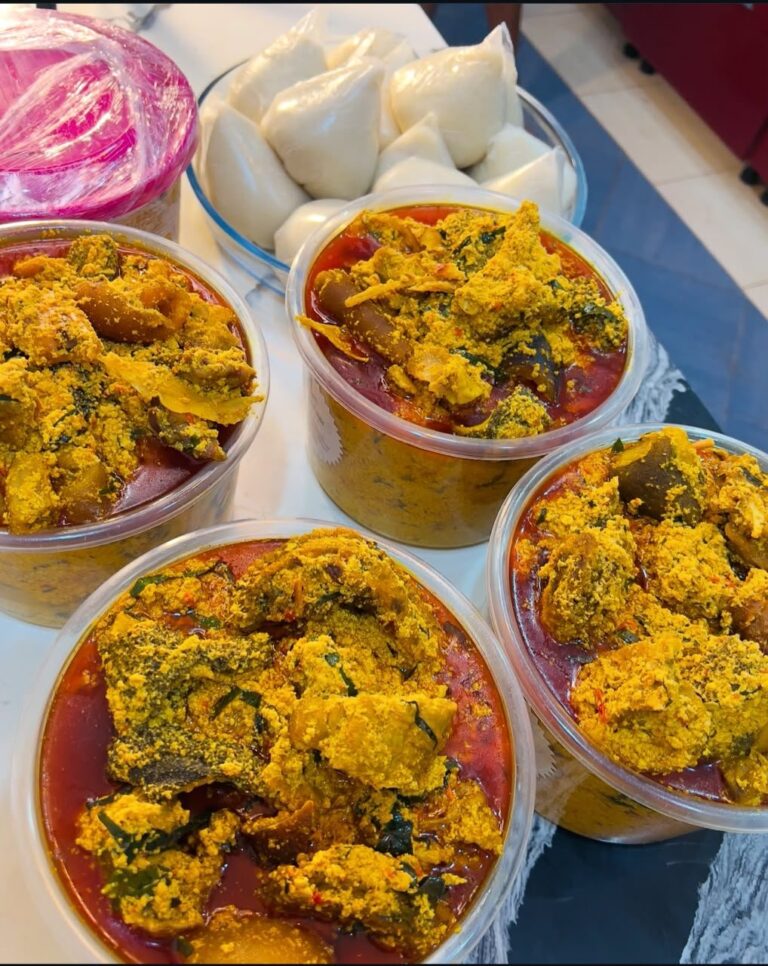
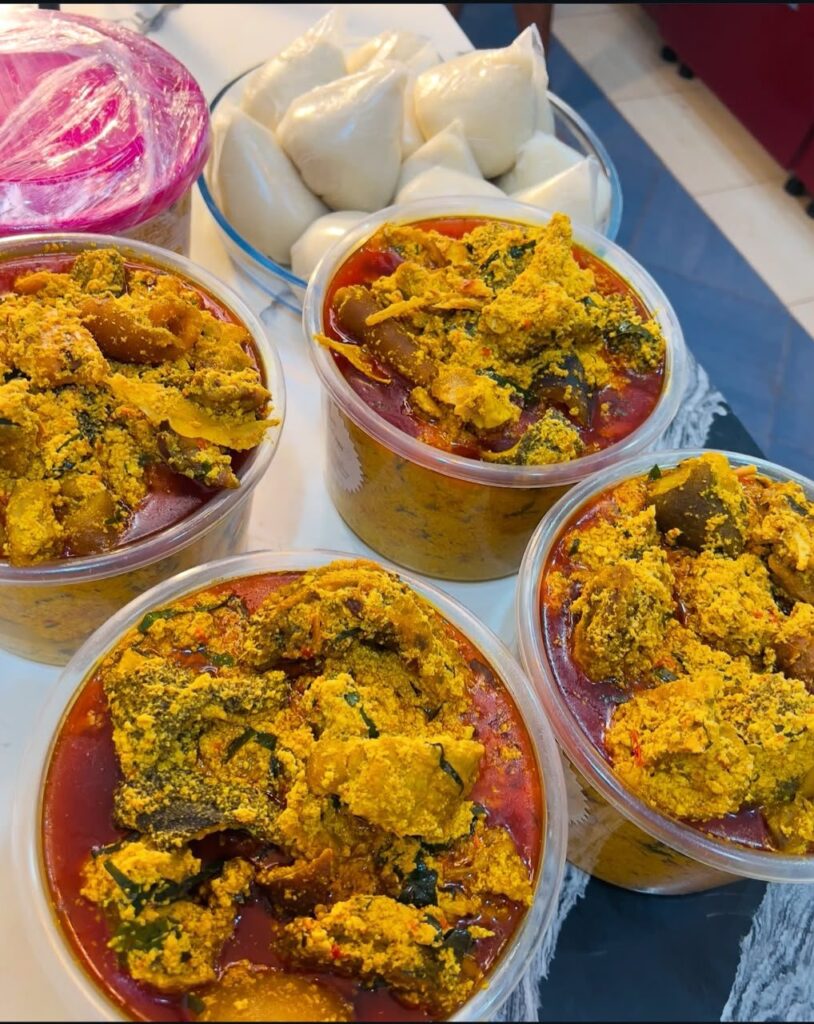
Trying Nigerian food for the first time should feel exciting, not intimidating. The flavors can be bold, the names may be unfamiliar and the textures may be different from what you usually eat, but a good first meal can open the door gently.
You do not need to start with the most complex dish. You do not need to prove anything with pepper. You do not need to know every regional tradition before you order. Start with one or two dishes, ask clear questions and let your taste build from there.
This beginner’s guide explains what to try first, how to understand spice, what soup and swallow mean, how to order respectfully and how AdaOwerri Kitchen can help first-time diners in Accra.
Quick Summary
If you are trying Nigerian food for the first time, start with approachable dishes such as jollof rice, fried rice, plantain, moi moi, white rice and stew, pepper soup or a mild soup and swallow pairing. Ask about spice level, ingredients, texture and portion size before ordering.
Nigerian food is diverse. It is not all extremely spicy, not all heavy and not all the same across regions. A beginner should learn the main categories: rice dishes, soups, swallow foods, proteins, sides, snacks and local dishes.
For background, read The Complete Guide to Nigerian Food Culture. Then use the rice guide, soups guide, swallow guide and ingredients guide to build confidence.
Start With the Main Categories
Nigerian food becomes easier when you understand the broad categories.
Rice Dishes
Rice dishes are often the easiest entry point. Jollof rice, fried rice, coconut rice and white rice with stew are familiar enough for many first-time diners while still giving a strong Nigerian flavor experience.
Start with Everything You Need to Know About Nigerian Jollof Rice if you want the classic party-food introduction.
Soups
Nigerian soups are not always light broths. Many are rich, textured dishes eaten with swallow. Egusi, Oha, Afang, Ogbono, Bitterleaf and Nsala each have different textures and ingredient profiles.
Swallow Foods
Swallow foods are soft starchy accompaniments used to eat soup. Examples include pounded yam, eba, fufu, semovita, amala and wheat swallow. Read What Is Swallow Food? before your first soup-and-swallow meal.
Proteins and Sides
Chicken, beef, fish, goat meat, turkey, assorted meat, plantain, moi moi and pepper sauce may all appear depending on the menu. Confirm current availability before ordering.
Historical Context
First-time Nigerian dining today often happens through restaurants, delivery, friends, office lunches, weddings, social media and diaspora communities. Many people encounter Nigerian food outside Nigeria before learning the full cultural background.
That modern entry point is valid. You can begin with a restaurant meal and still learn the deeper culture over time. Nigerian food culture has always adapted through movement, trade, family, cities and migration.
Avoid thinking of one first meal as the whole cuisine. It is only the beginning.
Regional Variations
Regional diversity affects what you may try first.
| Beginner Path | Examples | What to Know |
|---|---|---|
| Rice-first | Jollof rice, fried rice, coconut rice, white rice and stew | Familiar texture, good for first-time ordering. |
| Soup-first | Egusi, Oha, Afang, Ogbono, Nsala | Richer texture and stronger traditional context. |
| Swallow-first | Pounded yam, eba, fufu, semovita | New texture for many beginners; ask how to eat it. |
| Snack-first | Akara, puff-puff, moi moi, plantain | Easy way to explore without a full meal. |
| Local dish-first | Abacha, Nkwobi, Ofada rice, pepper soup | Best with guidance on spice and ingredients. |
Interesting Cultural Notes
Many first-time diners worry about doing something wrong. In most restaurant settings, respectful curiosity is enough. Ask what the dish is, how spicy it is, what it pairs with and whether it is eaten with cutlery or by hand.
Eating Swallow
Some people eat swallow with their hands; others may use cutlery depending on setting. If eating by hand, take a small portion, shape it lightly and use it to scoop soup. Do what feels comfortable and respectful in the setting.
Pepper Is Personal
Nigerian food can be peppery, but not every dish is painfully hot. Ask for guidance instead of assuming.
Helpful Tables
| Beginner-Friendly Dish | Why It Works | What to Ask |
|---|---|---|
| Jollof rice | Familiar rice texture with bold flavor | Protein and spice level. |
| Fried rice | Colorful and approachable | Freshness, protein and sides. |
| Plantain | Sweet, familiar and easy to enjoy | Fried or roasted availability. |
| Moi moi | Soft, savory and filling | Ingredients and spice level. |
| White rice and stew | Simple structure | Pepper level and protein. |
| Egusi with pounded yam | Classic soup and swallow entry | Texture, pepper and portion. |
| Pepper soup | Light but bold | Heat level and protein type. |
| If You Are Concerned About… | Ask This |
|---|---|
| Spice | “Which option is milder?” |
| Texture | “What does this soup feel like?” |
| Portion | “Is this enough for one person or sharing?” |
| Ingredients | “Does this include fish, crayfish or assorted meat?” |
| Delivery | “Will this dish travel well?” |
| Group ordering | “What works for beginners and Nigerians together?” |
Quick Facts
- Jollof rice is one of the easiest first Nigerian dishes for many beginners.
- Soup and swallow is traditional but may need explanation for first-time diners.
- Nigerian food varies by region, household and restaurant.
- Pepper level should be discussed before ordering.
- Ingredients such as crayfish, stockfish, palm oil and fermented seasonings may be new to some diners.
- The best first order is the one that matches your comfort and curiosity.
Did You Know
Many beginners start with rice and later become curious about soups and swallows. That is a natural path. You do not need to try everything at once.
Did you know that asking questions can make the meal more respectful? Nigerian food culture is often generous, and sincere curiosity is usually better than pretending to know.
How to Order Nigerian Food for the First Time
Choose One Anchor Dish
Pick rice, soup and swallow, or a snack-style meal as your starting point. Do not overload the first order.
Add One Side
Plantain, moi moi or a protein can make the meal more complete.
Ask About Pepper
If you are not used to spicy food, ask before ordering.
Use the Menu and Contact Pages
Browse the AdaOwerri Kitchen Menu, check Delivery and use Contact if you are unsure. For group first-timers, use Bulk Orders.
Ready To Order?
AdaOwerri Kitchen is a practical place to begin exploring Nigerian food in Accra. Start with the Menu, choose one approachable dish, then ask questions if you are unsure about soup, swallow, pepper or sides. For groups with both beginners and experienced Nigerian food lovers, use Bulk Orders to plan a balanced meal.
Need Help Choosing?
First time ordering Nigerian food? Message AdaOwerri Kitchen through the WhatsApp option on the site or Contact. Say that you are new, mention your spice comfort, delivery area and whether you prefer rice, soup or a mixed meal. The team can help you choose without pressure.
Frequently Asked Questions
What Nigerian food should I try first?
Many beginners start with jollof rice, fried rice, plantain, moi moi, white rice and stew or a mild soup and swallow pairing.
Is Nigerian food always spicy?
No. Many dishes use pepper, but heat level varies. Ask for guidance if you prefer mild food.
What is swallow?
Swallow is a soft starchy food eaten with Nigerian soups. Examples include pounded yam, eba, fufu, semovita and amala.
How do I eat soup and swallow?
Take a small amount of swallow and pair it with soup. Some people use their hands; others use cutlery depending on comfort and setting.
How do I order Nigerian food in Accra?
Browse the AdaOwerri Kitchen Menu, review Delivery and use Contact for questions about current dishes and ordering.
Conclusion
Experiencing Nigerian food for the first time should be welcoming. Start with a dish that feels approachable, ask about pepper and texture, and learn one category at a time.
Nigerian cuisine is generous and varied. Rice dishes, soups, swallows, snacks, proteins and ingredients all tell part of the story. Your first meal is not a test. It is an invitation.