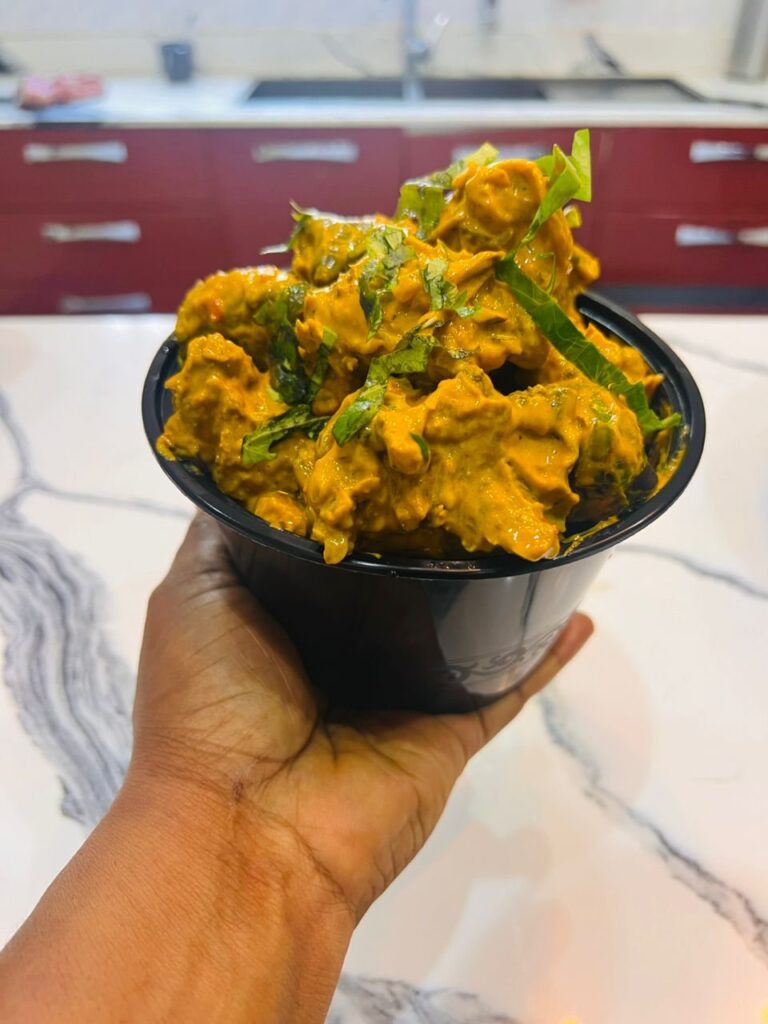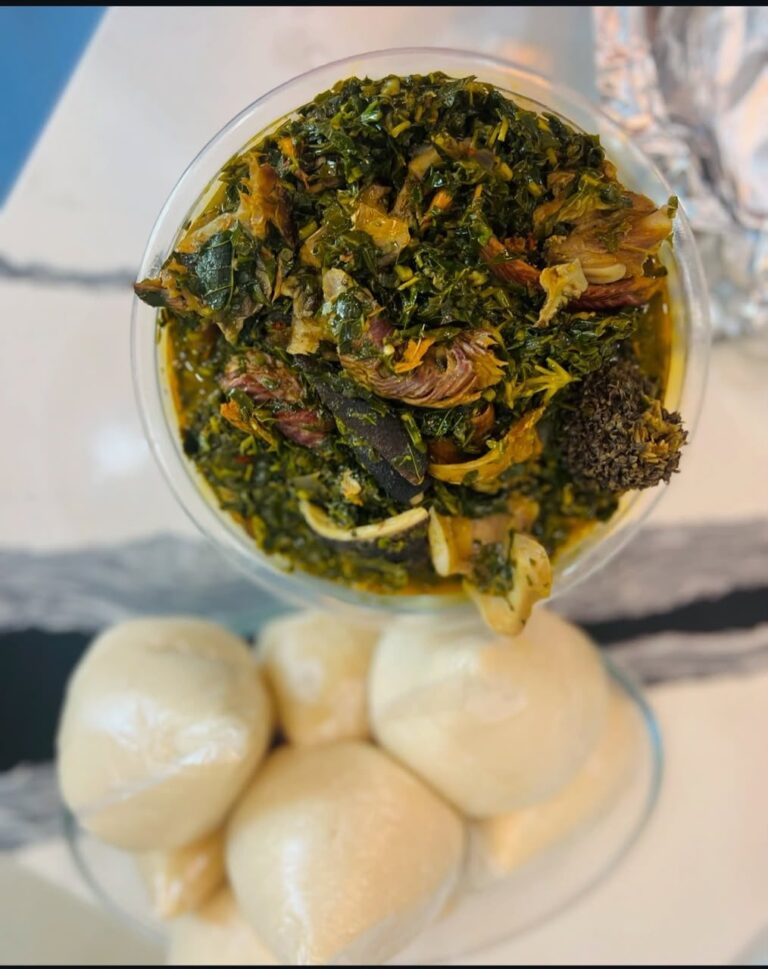
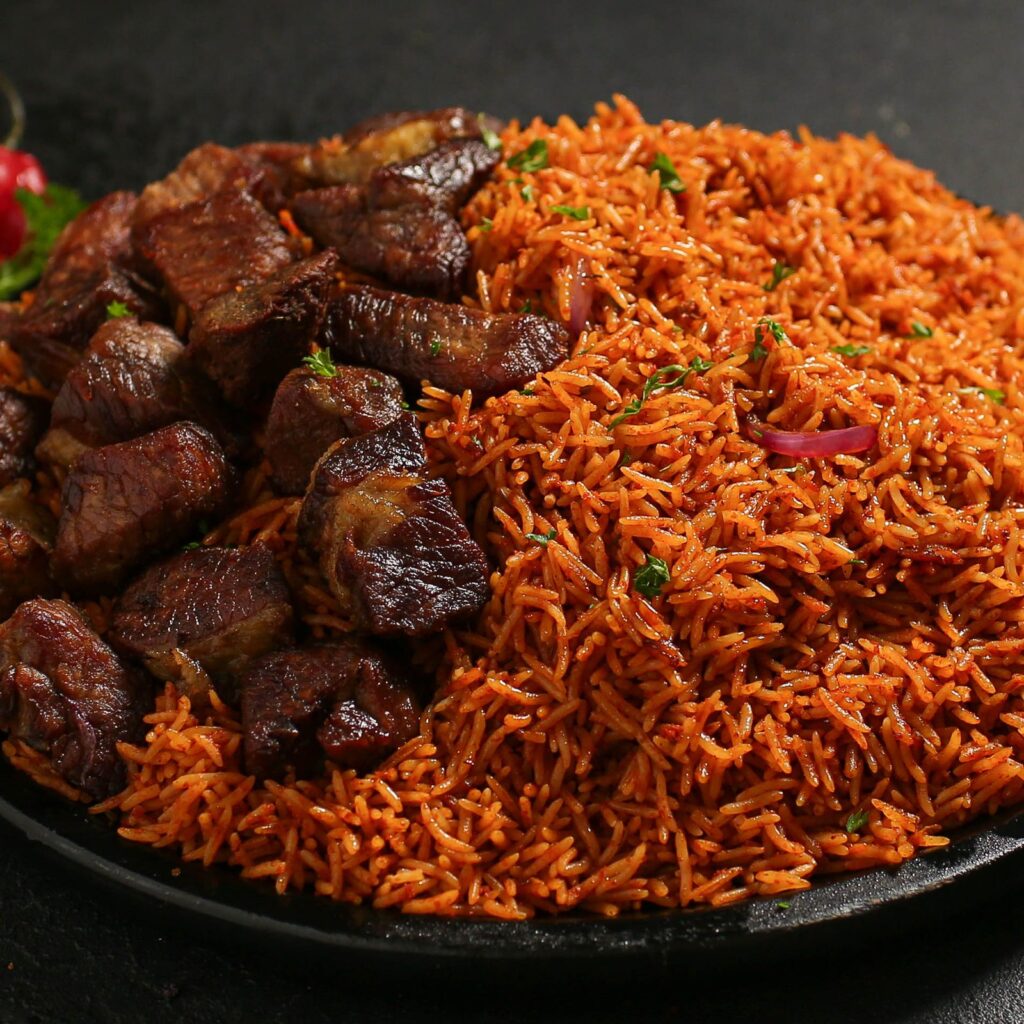
Pepper is one of the most noticeable ingredients in Nigerian food, but it is often misunderstood. Some people assume Nigerian food is always extremely hot. Others think pepper is only about heat. In reality, pepper also brings aroma, fruitiness, colour and depth.
Different pepper forms behave differently. Fresh pepper can taste bright and sharp. Scotch bonnet-style peppers can bring heat with a fruity aroma. Dry pepper can add concentrated warmth and a different finish. A pepper sauce beside rice is not the same as pepper inside soup.
This guide explains Nigerian pepper in practical terms: types, taste, appearance, uses, storage, buying, substitutions and ordering questions.
Quick Summary
Nigerian pepper can refer to fresh hot peppers, Scotch bonnet-style peppers, blended pepper bases, dry pepper powder or pepper used in soups and sauces. Pepper brings heat, aroma, colour and flavour. It appears in soups, stews, rice dishes, pepper soup, sauces and grilled meals.
For the full ingredient context, read Understanding Nigerian Ingredients and Spices. To see pepper inside finished dishes, connect this guide to The Ultimate Guide to Nigerian Soups, The Complete Guide to Nigerian Rice Dishes and The Complete Guide to Nigerian Swallow Foods.
Ingredient Overview
Nigerian cooking uses pepper in several forms. The exact pepper depends on the dish, the cook, the region and the desired heat level.
Common forms include:
- Fresh hot pepper.
- Scotch bonnet-style pepper.
- Red bell pepper or tatashe-style sweet pepper in some bases.
- Dry pepper powder.
- Pepper sauce.
- Pepper soup spice blends that include pepper and aromatics.
Taste Profile
Pepper can be hot, fruity, sharp, warm or smoky depending on type and preparation. Fresh pepper can feel bright. Dry pepper can feel more concentrated. Pepper sauce may carry oil, onion, seasoning and stock flavour.
Good Nigerian food should not taste like heat alone. Pepper should support the dish.
Appearance
Fresh peppers may be red, orange, yellow or green depending on type and ripeness. Dry pepper is usually powdered or flaked and can range from orange-red to deep red.
Pepper bases for soups, stews and rice dishes often include blended peppers with onion, tomato or other ingredients depending on the dish.
Common Uses
| Pepper Form | Common Use | What It Adds |
|---|---|---|
| Fresh hot pepper | Soups, stews, sauces | Heat, freshness and aroma |
| Scotch bonnet-style pepper | Pepper sauces, stews, rice, soups | Fruity heat and strong aroma |
| Dry pepper | Soups, pepper soup, seasoning | Concentrated warmth |
| Pepper sauce | Rice, grilled proteins, sides | Extra heat and moisture |
| Pepper soup spice mix | Pepper soup and broths | Heat plus warm aromatics |
For dish examples, link to Everything You Need to Know About Nigerian Jollof Rice, White Rice in Nigerian Cuisine and Nsala (White Soup).
Regional Variations
Pepper use varies across Nigeria and across households. Some foods are expected to be peppery. Others can be mild. Even within one dish, heat level can change from kitchen to kitchen.
Restaurant articles should avoid saying Nigerian food is always hot. A better approach is to tell readers to ask about spice level before ordering, especially for children, offices, mixed groups or first-time diners.
Storage Tips
Fresh pepper should be kept clean, dry and chilled if it will not be used quickly. Dry pepper should be kept sealed, dry and away from moisture.
Avoid using pepper that is moldy, slimy or stale-smelling. For prepared pepper sauce or cooked dishes, follow safe storage guidance and restaurant instructions.
Buying Tips
Choose fresh peppers that look firm and bright, not shriveled or slimy. For dry pepper, look for clean aroma, consistent colour and packaging that protects it from moisture.
When ordering food, ask whether the dish itself is spicy or whether the heat comes mainly from sauce served on the side.
Possible Substitutions
Pepper substitutions depend on whether the dish needs heat, colour, aroma or body.
| Original | Possible Substitute | What Changes |
|---|---|---|
| Scotch bonnet-style pepper | Another hot fresh pepper | Heat may remain, aroma changes. |
| Fresh pepper | Dry pepper used carefully | Freshness and moisture change. |
| Dry pepper | Fresh pepper cooked down | Concentration and finish change. |
| Hot pepper | Sweet pepper plus mild seasoning | Heat drops, colour may remain. |
No substitute should be described as identical unless it truly matches the flavour.
Common Misconceptions
- Nigerian food is not always extremely spicy.
- Pepper is not only about heat.
- Dry pepper and fresh pepper are not identical.
- Scotch bonnet-style pepper has aroma as well as heat.
- Pepper sauce on the side is different from pepper cooked into a dish.
- More pepper does not automatically mean better flavour.
Helpful Tables
| Reader Need | Best Pepper Question To Ask |
|---|---|
| Mild order | “Can this be made less spicy or served with pepper sauce separately?” |
| Rice order | “Is the sauce spicy?” |
| Soup order | “How hot is the soup itself?” |
| Office order | “Can meals be labelled mild or spicy?” |
| Family order | “Which options are safest for mixed spice preferences?” |
Ready To Order?
Want to choose a dish with the right heat level? Browse AdaOwerri Kitchen’s Menu and compare soups, rice meals, sauces, proteins and sides.
For office, family or event orders, use Bulk Orders so spice level, sauce packaging and guest preferences can be discussed before preparation.
Need Help Choosing?
Need mild, medium or extra pepper guidance before ordering? Message AdaOwerri Kitchen through WhatsApp on the website or use Contact to ask what is available and how spicy each dish is.
Frequently Asked Questions
What pepper is used in Nigerian cooking?
Nigerian cooking may use fresh hot peppers, Scotch bonnet-style peppers, dry pepper, pepper sauce and pepper-based blends depending on the dish.
Is Nigerian food always spicy?
No. Heat level varies by dish, region, kitchen and preference.
What is Scotch bonnet pepper?
Scotch bonnet is a hot pepper type known for strong heat and fruity aroma. Similar hot peppers may be used depending on availability.
Can dry pepper replace fresh pepper?
Sometimes, but the flavour and moisture change. Dry pepper is more concentrated and lacks fresh pepper brightness.
What dishes use pepper?
Soups, stews, rice dishes, sauces, pepper soup, grilled proteins and many local dishes use pepper in different ways.
How should dry pepper be stored?
Keep it sealed, dry and away from moisture and heat.
Conclusion
Pepper is essential in many Nigerian dishes, but it should be understood with nuance. It adds heat, aroma, colour and energy to food, yet Nigerian cooking is not only about spice.
Ask about pepper level when ordering, especially for mixed groups. For deeper context, read Understanding Nigerian Ingredients and Spices, The Ultimate Guide to Nigerian Soups, The Complete Guide to Nigerian Rice Dishes, The Complete Guide to Nigerian Swallow Foods and The Complete Guide to Nigerian Food Culture.