Nigerian food can feel complex at first because many dishes are built from layers. A soup may include palm oil, pepper, ground seeds, leafy vegetables, crayfish, dry fish and meat stock. A rice dish may rely on tomato, pepper, onion, oil, seasoning and careful steaming. A swallow meal depends on texture as much as flavour.
The good news is that the same ingredients appear again and again in different forms. Once you understand the basic roles, Nigerian cooking becomes easier to read. You can look at egusi soup, ogbono soup, jollof rice, pepper soup or eba and understand what each ingredient is doing.
This beginner guide introduces essential Nigerian kitchen ingredients without turning it into a recipe list. For the full ingredient framework, see Understanding Nigerian Ingredients and Spices.
Quick Summary
Nigerian cooking uses a wide range of ingredients, but beginners can start by understanding a few core groups: oils, peppers, thickeners, leafy vegetables, seafood seasonings, fermented seasonings, spices, grains, legumes and swallow staples.
The most useful beginner ingredients include palm oil, fresh pepper, dry pepper, onions, tomatoes, egusi, ogbono, ground crayfish, stockfish, dry fish, ugu, oha, bitterleaf, rice, beans, garri, yam flour, cassava-based fufu and spices like ehuru, uda and uziza.
You do not need to master everything at once. Start by learning what each ingredient contributes: colour, heat, thickness, aroma, body, texture or cultural familiarity.
Ingredient Overview
The easiest way to understand Nigerian ingredients is by function.
Some ingredients build the base, such as palm oil, onions, pepper and stock. Some thicken the dish, such as egusi or ogbono. Some add savoury depth, such as ground crayfish, stockfish, dry fish, iru or ogiri. Some bring freshness and structure, such as ugu, oha, bitterleaf, uziza and utazi. Others provide the main starch, such as rice, yam, cassava, garri or wheat-based swallow.
Learning these roles helps beginners avoid memorising isolated facts. It also helps when reading Nigerian restaurant menus or planning an order from AdaOwerri Kitchen’s Menu.
Taste Profile
Nigerian food is not defined by one taste. It is often savoury, peppery, aromatic, hearty and layered. The taste depends on the dish and region.
Core flavour contributors include:
- Pepper for heat and aroma.
- Palm oil for colour and richness.
- Crayfish for seafood depth.
- Stockfish or dry fish for savoury intensity and texture.
- Fermented ingredients like iru, dawadawa or ogiri for deep umami.
- Leaves for freshness, bitterness, aroma or texture.
- Spices like ehuru, uda and uziza for warm, peppery or aromatic notes.
The best Nigerian dishes balance these elements instead of letting one ingredient dominate.
Appearance
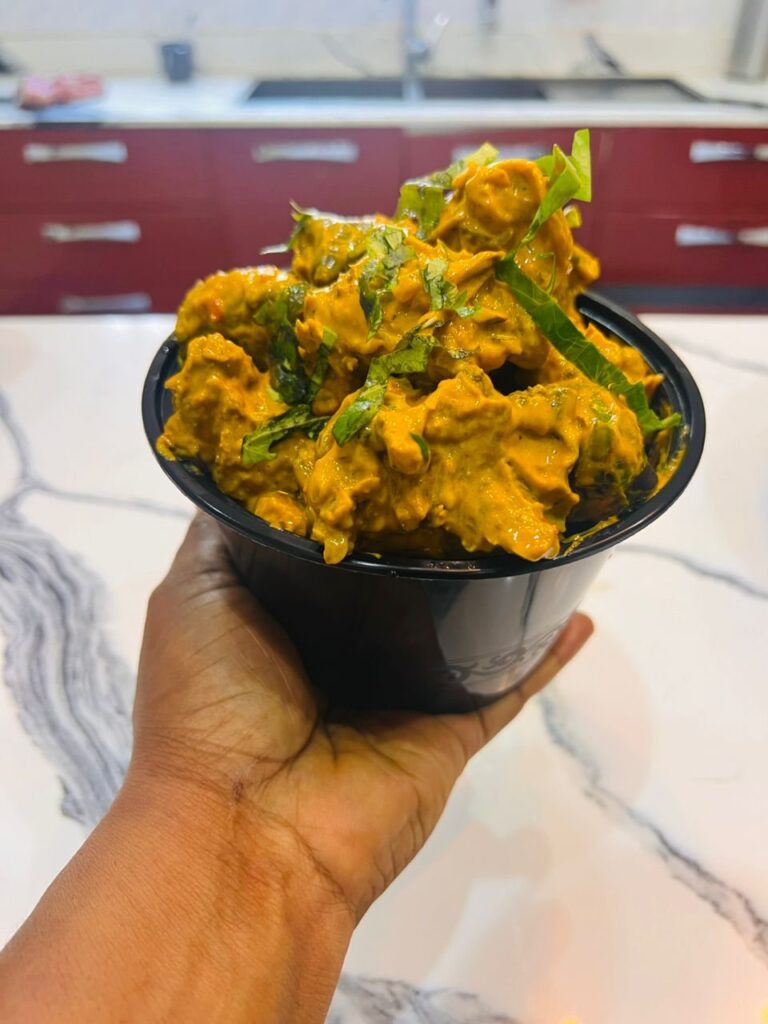
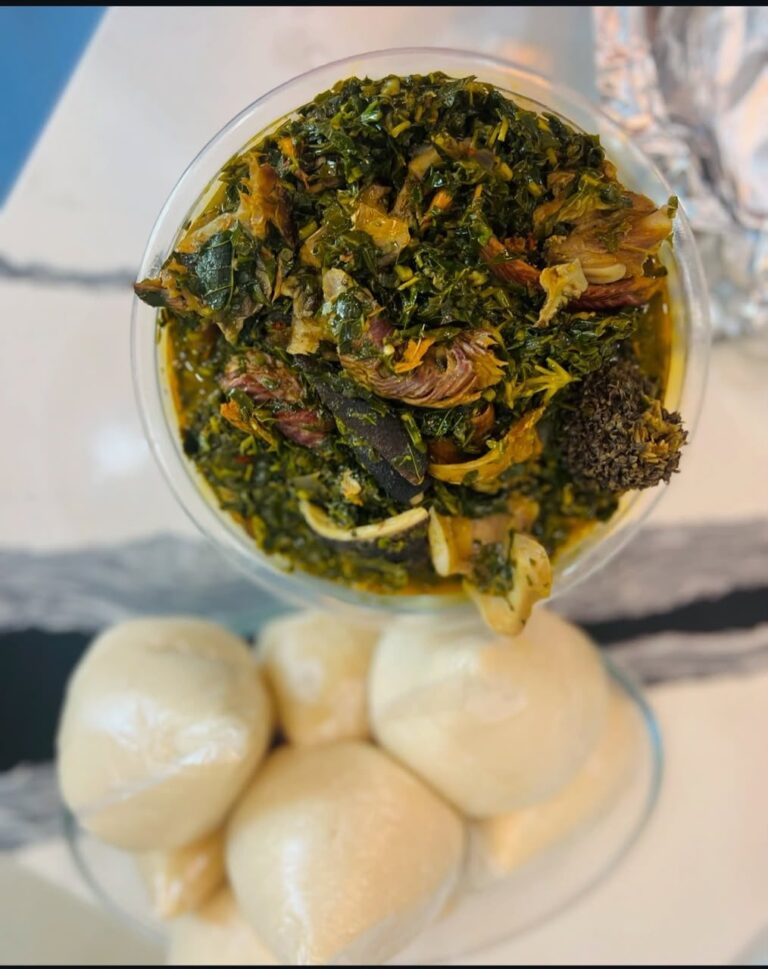
Nigerian ingredients are visually diverse. Palm oil gives many soups and sauces a red-orange tone. Egusi creates a thick, speckled look. Ogbono creates a glossy, draw-like texture. Bitterleaf and oha add green flecks and vegetable body. Jollof rice becomes red-orange from its tomato-pepper base. Swallow foods range from white to yellow, brown or off-white depending on the starch.
For beginners, visual recognition helps. If you can identify palm oil, pepper, ground crayfish, egusi, ogbono and common leaves, many Nigerian dishes become less mysterious.
Common Uses
Soups
Many Nigerian soups rely on a combination of oil, pepper, stock, protein, leafy vegetables and a thickener or texture-building ingredient. Egusi and ogbono are two of the most important beginner ingredients because they explain two different soup styles.
For broader soup education, see The Ultimate Guide to Nigerian Soups.
Rice Dishes
Nigerian rice dishes often use pepper, tomato, onion, oil, seasoning and stock. Jollof rice, fried rice, coconut rice, ofada rice and white rice pairings each use ingredients differently. Learn more in The Complete Guide to Nigerian Rice Dishes.
Swallow Foods
Swallow foods are starch-based accompaniments eaten with soups. Garri, yam, cassava, wheat, plantain and other starches may be used depending on the swallow. For a complete overview, see The Complete Guide to Nigerian Swallow Foods.
Sauces and Stews
Pepper, tomato, onion, palm oil or vegetable oil, dry fish, crayfish and fermented seasonings may appear in sauces and stews. These are often served with rice, yam, plantain or beans.
Regional Variations
Nigerian ingredients vary by region, market access, household tradition and personal preference. Palm oil may be central in some dishes and absent in others. Iru may be strongly associated with some western Nigerian dishes, while ogiri may appear more often in certain southeastern cooking contexts. Northern Nigerian dishes may use ingredients and grains differently from southern soups.
It is better to treat Nigerian food as a family of cuisines rather than one fixed formula. Customs vary, and many families adapt dishes based on what is available.
Storage Tips
Beginner storage habits can protect flavour and reduce waste.
- Keep dry ingredients in airtight containers.
- Store ground crayfish away from heat and moisture.
- Refrigerate or freeze dried fish for longer storage when needed.
- Keep palm oil sealed and away from direct light.
- Wash and use fresh leaves promptly.
- Store spices in labelled containers.
- Avoid wet spoons in dry ingredient jars.
- Check aroma before using dried seafood or spices.
Freshness matters because many Nigerian ingredients are aromatic. If storage is poor, flavour fades quickly.
Buying Tips
For beginners, start small. It is tempting to buy every ingredient at once, but Nigerian ingredients are best learned through actual dishes.
Useful buying advice:
- Buy from shops with good turnover.
- Choose clearly labelled ingredients when possible.
- Smell dried seafood and spices before buying, if appropriate.
- Ask whether leaves are fresh, dried, washed or frozen.
- Check packaging dates for ground ingredients.
- Avoid damp, mouldy or stale-smelling dried products.
- Ask restaurant staff if you are unsure whether a dish contains seafood, nuts, fermented ingredients or pepper.
When ordering from AdaOwerri Kitchen, use the Contact page or WhatsApp option for questions about current dishes and ingredient preferences.
Possible Substitutions
Substitutions depend on the role of the ingredient.
- Palm oil can sometimes be reduced or replaced, but the colour and taste will change.
- Ground crayfish can be replaced with other savoury ingredients when seafood is avoided, but the seafood aroma will be missing.
- Fresh pepper and dry pepper can substitute for each other only with adjustment because their heat and moisture differ.
- Some leaves can be swapped in casual cooking, but oha, bitterleaf, uziza, ugu and utazi do not taste the same.
- Different swallow bases can be chosen based on preference, but texture will change.
Substitution should be honest. It may produce good food, but not always the same dish.
Common Misconceptions
“Nigerian food is only spicy.”
Pepper is important, but Nigerian food is also savoury, aromatic, rich, bitter, earthy, smoky and textured.
“All Nigerian soups use the same ingredients.”
They do not. Egusi, ogbono, oha, afang, nsala and bitterleaf soups have different structures and ingredient priorities.
“Beginners need every spice immediately.”
Beginners should start with core ingredients and learn gradually. A small, fresh pantry is better than a large stale one.
“Substitutions do not matter.”
Substitutions can be useful, but they change flavour, texture and sometimes the identity of the dish.
Helpful Tables
Beginner Ingredient Groups
| Ingredient Group | Examples | Main Role |
|---|---|---|
| Oils | Palm oil, vegetable oil | Richness, colour, cooking medium |
| Pepper base | Fresh pepper, dry pepper, Scotch bonnet | Heat and aroma |
| Thickeners | Egusi, ogbono | Body and texture |
| Leaves | Ugu, oha, bitterleaf, uziza, utazi | Freshness, bitterness, aroma, texture |
| Seafood seasonings | Ground crayfish, stockfish, dry fish | Savoury depth |
| Fermented seasonings | Iru, dawadawa, ogiri | Deep umami |
| Starches | Rice, garri, yam, cassava, wheat | Meal foundation |
What to Learn First
| Beginner Goal | Ingredients to Study |
|---|---|
| Understand soups | Palm oil, pepper, egusi, ogbono, leaves, crayfish |
| Understand rice dishes | Rice, tomato, pepper, onion, stock, oil |
| Understand swallow meals | Garri, yam, cassava, wheat, plantain |
| Understand deep flavour | Crayfish, stockfish, dry fish, iru, ogiri |
| Understand aroma | Ehuru, uda, uziza, scent leaf where used |
Common Ingredient Roles
| Role | Ingredient Examples |
|---|---|
| Adds heat | Fresh pepper, dry pepper, Scotch bonnet |
| Adds colour | Palm oil, tomato-pepper base |
| Adds thickness | Egusi, ogbono |
| Adds chew | Stockfish, dry fish, meat |
| Adds fragrance | Uziza, ehuru, uda |
| Adds vegetable body | Ugu, oha, bitterleaf |
Quick Tips
- Learn ingredients by role, not by memorising lists.
- Start with one soup, one rice dish and one swallow combination.
- Buy small quantities of strong dried ingredients.
- Label spices and ground ingredients.
- Ask questions when ordering if you have allergies or strong preferences.
Ready To Order?
The easiest way to understand Nigerian ingredients is to taste them in complete dishes. Explore AdaOwerri Kitchen’s Menu to see how soups, rice dishes, sides and swallow pairings bring these ingredients together.
Planning food for a group? The Bulk Orders page helps you think through variety, portions and meal combinations without guessing.
Need Help Choosing?
If you are new to Nigerian food and want help choosing a dish, use the WhatsApp ordering option or the Contact page. You can also review Delivery details before placing an order.
Frequently Asked Questions
What are the most essential Nigerian kitchen ingredients?
Common essentials include palm oil, fresh pepper, dry pepper, onions, tomatoes, egusi, ogbono, ground crayfish, dry fish, stockfish, leafy vegetables, rice, beans, garri and common spices.
What gives Nigerian food its flavour?
Nigerian flavour often comes from layered ingredients such as pepper, palm oil, stock, crayfish, dry fish, fermented seasonings, leafy vegetables and aromatic spices.
What should a beginner buy first?
Start with ingredients for the dishes you actually want to make or understand. For soups, begin with palm oil, pepper, crayfish, a thickener and the relevant leaves. For rice, start with rice, tomato, pepper, onion and stock.
Are Nigerian ingredients hard to store?
Most are manageable if stored properly. Dry ingredients need airtight containers and protection from moisture. Fresh leaves should be used quickly or stored according to their condition.
Can I enjoy Nigerian food if I do not eat seafood?
Yes, but you should ask questions because many Nigerian soups and sauces use crayfish, stockfish or dry fish. Restaurants can help clarify what is in a dish.
Conclusion
Essential Nigerian ingredients become less intimidating when you understand their roles. Palm oil brings colour and richness. Pepper brings heat and aroma. Egusi and ogbono build texture. Leaves add freshness and character. Crayfish, stockfish, dry fish and fermented seasonings create depth.
Begin with the basics, taste thoughtfully and keep learning dish by dish. Nigerian cooking rewards curiosity, and every ingredient becomes easier to understand when you see how it works inside a complete meal.