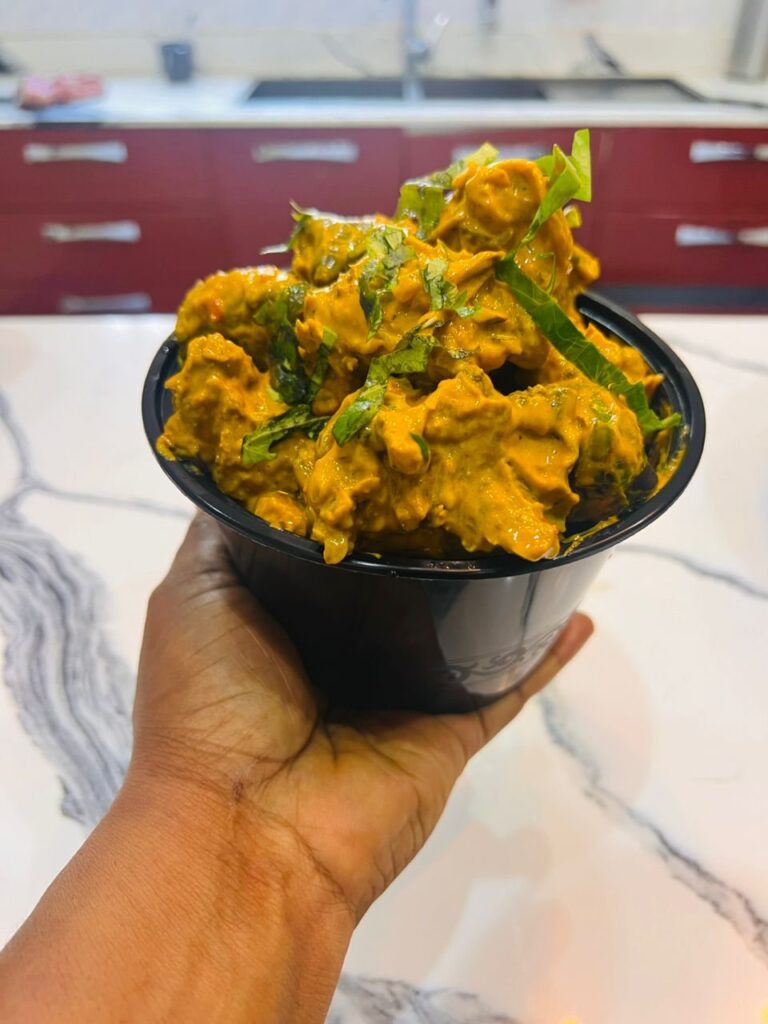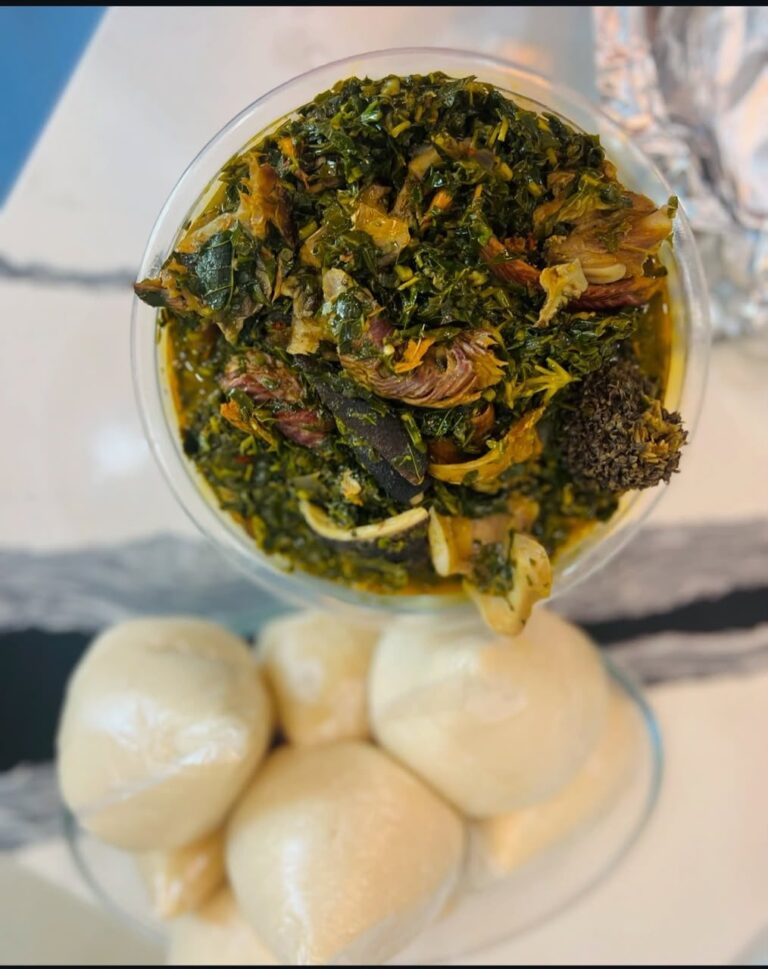
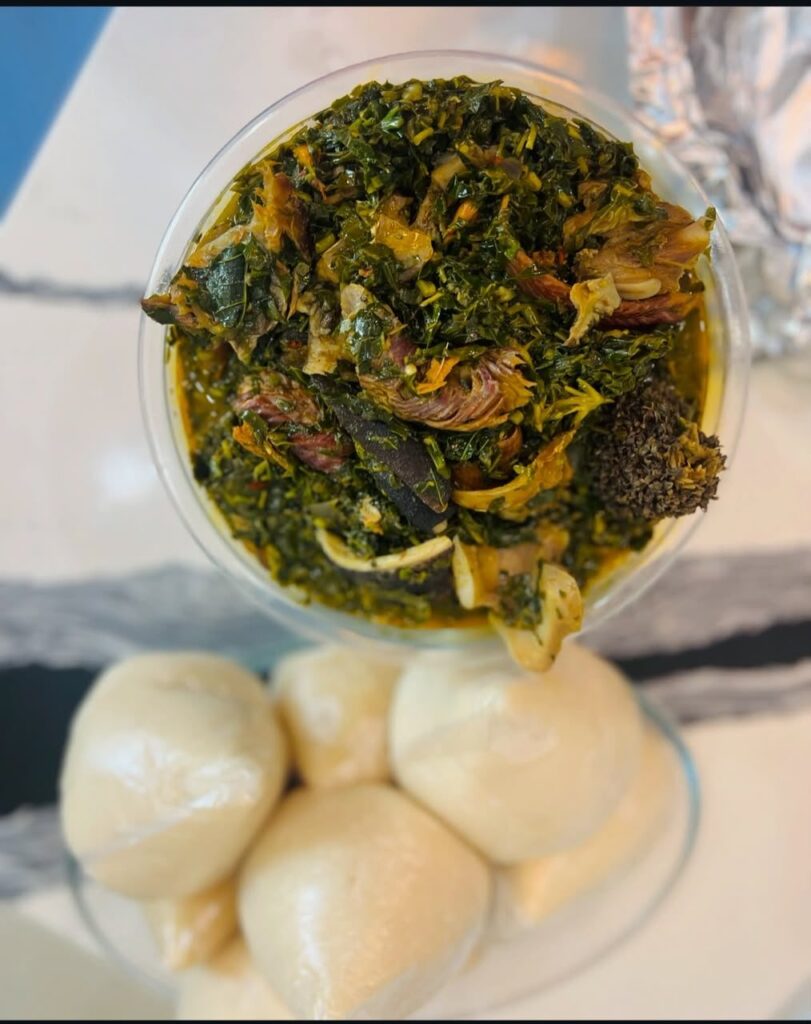
If you have ever eaten a deeply flavoured Nigerian soup and wondered why the taste feels layered, stockfish or dry fish may be part of the answer. These ingredients do more than add protein. They bring aroma, texture and the kind of savoury background that makes a soup feel complete.
Still, many beginners confuse stockfish and dry fish. The names sound similar, and both are dried seafood ingredients. But in Nigerian cooking, they often play different roles.
This guide explains the difference in plain language: what each ingredient is, how it tastes, how it looks, where it is used, how to store it and what to ask before ordering food that may contain dried fish. For the larger ingredient framework, start with Understanding Nigerian Ingredients and Spices.
Quick Summary
Stockfish and dry fish are both important in Nigerian cooking, especially in soups and stews, but they are not identical.
Stockfish usually refers to air-dried fish with a firm texture and concentrated flavour. Dry fish is a broader term that can refer to dried or smoked fish used in pieces. Both bring savoury seafood depth, but stockfish is often chewier and more intense, while dry fish may bring smokiness and softer flakes depending on the type.
Both ingredients need careful cleaning and storage. They can transform a soup, but poor-quality fish can also spoil the flavour of the whole pot.
Ingredient Overview
Stockfish is generally fish that has been dried until very firm. It is valued for its concentrated flavour and chewy texture after soaking and cooking. It often needs more preparation than softer dry fish because it can be hard and dense.
Dry fish is a broader category. In Nigerian food conversations, it may refer to dried fish, smoked fish or fish that has been preserved through drying and sometimes smoking. It is often broken into pieces and added to soups, sauces and stews.
Both ingredients support the same broad goal: deeper seafood flavour. The difference is in texture, intensity, preparation and the specific aroma they bring to the dish.
Taste Profile
Stockfish has a strong, savoury, concentrated fish taste. When properly prepared, it gives soups a deep background flavour and a satisfying chew. It does not disappear into the pot; it remains a noticeable ingredient.
Dry fish can taste smoky, savoury, briny or mild depending on the fish and preservation method. Some dry fish flakes easily into soups. Others remain firm.
In a balanced dish:
- Stockfish adds depth and chew.
- Dry fish adds fish flavour, texture and sometimes smoke.
- Ground crayfish adds powdered seafood aroma throughout the broth.
These ingredients can work together, but the cook has to manage intensity.
Appearance
Stockfish usually appears pale, hard and dry before soaking. It may be sold in large pieces, strips or smaller cut portions. The texture can be very firm.
Dry fish is more varied. It may be darker if smoked, lighter if simply dried, whole, halved or cut into pieces. Some dry fish has visible skin and bones.
Before cooking, both ingredients should be inspected. Remove dirt, sand, excess bones where needed and any damaged parts. Dried fish should smell strong but clean, not rotten or damp.
Common Uses
In Nigerian Soups
Stockfish and dry fish are especially common in soups served with swallow. They appear in many versions of egusi, ogbono, bitterleaf, oha, afang-style soups and native soups. Their depth supports the thick, hearty character of these dishes.
For soup context, see The Ultimate Guide to Nigerian Soups and How to Choose the Best Swallow for Every Nigerian Soup.
In Stews and Sauces
Dry fish can be used in pepper sauce, garden egg sauce, palm oil sauce and local stews. Stockfish may be used too, especially where the dish needs stronger texture and depth.
In Rice Pairings
Stockfish and dry fish may appear in sauces served with white rice, native rice or local rice dishes. They are not standard in every rice dish, but they are important in many Nigerian meal combinations. See White Rice in Nigerian Cuisine for pairing ideas.
Regional Variations
Stockfish and dry fish are used across Nigeria, but preferences vary by region, market availability, household tradition and dish type.
In some southeastern soups, stockfish is especially valued for the depth it brings to hearty palm oil soups. In riverine and coastal traditions, dried or smoked fish may be used generously. In other households, dry fish is used sparingly as an accent.
The important point is not to treat any one version as the only authentic approach. Nigerian cooking has many valid local and family expressions.
Storage Tips
Because dried fish ingredients are preserved but not indestructible, storage still matters.
- Keep stockfish and dry fish in a dry, well-ventilated place.
- Use airtight containers when the product is fully dry.
- Avoid moisture, which can encourage spoilage.
- Refrigerate or freeze for longer storage, especially after opening or cleaning.
- Keep away from strong-smelling foods if you do not want aroma transfer.
- Check for insects, mould or dampness before use.
If the fish smells rotten, feels damp in a suspicious way or shows mould, do not use it.
Buying Tips
Good stockfish and dry fish should smell strong but clean. The aroma may be intense, but it should not smell spoiled.
When buying, check:
- Firmness and dryness.
- Clean appearance.
- No visible mould.
- No excessive damp patches.
- Reasonable packaging or clean market handling.
- Fish type and size if that matters for your dish.
For stockfish, ask whether it is already cut and how long it may need to soak. For dry fish, ask whether it is smoked, dried or both.
Possible Substitutions
No substitute perfectly replaces stockfish or dry fish, but there are alternatives depending on the goal.
- Ground crayfish can add seafood aroma, but not the same texture.
- Fresh fish can add fish flavour, but with a softer and fresher profile.
- Smoked fish can replace some dry fish uses if available.
- Mushrooms can add savoury depth for non-fish dishes.
- Strong meat stock can support flavour when seafood is avoided.
Always consider allergies, dietary restrictions and the specific dish.
Common Misconceptions
“Stockfish and dry fish are the same.”
They are related but not the same. Stockfish is usually a specific type of dried fish with a very firm texture. Dry fish is a broader category.
“Dried fish does not need cleaning.”
It does. Dried fish can hold sand, grit, bones and surface impurities. Cleaning matters for both taste and comfort.
“Stockfish should always be soft before cooking.”
Some stockfish softens during soaking and cooking, but it may still keep a chewy texture. That chew is part of why many people enjoy it.
“Dry fish is only for old-fashioned cooking.”
Dry fish remains a valued ingredient in many modern Nigerian kitchens because it gives flavour that fresh fish alone may not provide.
Helpful Tables
Stockfish vs Dry Fish
| Feature | Stockfish | Dry Fish |
|---|---|---|
| Meaning | Firm air-dried fish | Broad term for dried or smoked fish |
| Texture | Chewy and dense after cooking | Varies from firm to flaky |
| Flavour | Deep, concentrated fish taste | Fishy, smoky or savoury depending on type |
| Preparation | Often needs soaking and longer cooking | Often needs cleaning and shorter cooking |
| Best uses | Hearty soups and stews | Soups, sauces, stews and rice pairings |
Preparation Checklist
| Step | Why It Matters |
|---|---|
| Inspect | Finds mould, spoilage or damaged pieces |
| Rinse | Removes surface dirt |
| Soak if needed | Softens hard fish |
| Debone where useful | Improves eating comfort |
| Add at the right time | Allows flavour to enter the pot |
Ingredient Pairings
| Partner Ingredient | Why It Works |
|---|---|
| Palm oil | Carries savoury flavour in soups |
| Ground crayfish | Adds seafood aroma through the broth |
| Pepper | Balances richness with heat |
| Bitterleaf or oha | Adds vegetable complexity |
| Swallow foods | Make hearty fish-rich soups satisfying |
Quick Tips
- Soak firm stockfish before cooking if needed.
- Clean dried fish carefully.
- Add strong dried fish ingredients with balance.
- Store away from moisture.
- Ask restaurants about fish ingredients if you have allergies.
Ready To Order?
When Nigerian soups are cooked well, ingredients like stockfish, dry fish, ground crayfish, pepper and palm oil work together rather than competing. Browse AdaOwerri Kitchen’s Menu to see current soups, rice dishes and meal combinations.
For shared meals, workplace lunches or family gatherings, visit Bulk Orders to plan dishes that suit different preferences.
Need Help Choosing?
If you need to ask whether a dish contains stockfish, dry fish, crayfish or other seafood ingredients, use the WhatsApp ordering option or the Contact page before ordering. Delivery details are available on the Delivery page.
Frequently Asked Questions
Is stockfish the same as dry fish?
No. Stockfish usually refers to a firm air-dried fish, while dry fish is a broader term for dried or smoked fish used in Nigerian cooking.
Why do Nigerians use stockfish in soups?
Stockfish adds concentrated fish flavour, savoury depth and chewy texture to many soups. It helps make hearty soups taste fuller.
Do you have to soak stockfish before cooking?
Often, yes. Hard stockfish usually benefits from soaking or pre-cooking so it softens enough for the final dish.
How do you store dry fish?
Keep dry fish away from moisture and heat. Use clean containers, refrigerate or freeze for longer storage, and inspect before use.
Can dry fish be used with rice?
Yes. Dry fish can be used in sauces, stews or native-style dishes served with rice, though it is not used in every Nigerian rice dish.
Conclusion
Stockfish and dry fish are part of the deep flavour architecture of Nigerian cooking. They bring seafood intensity, texture and aroma to soups, stews and sauces, but they need proper cleaning, storage and balance.
Understanding the difference helps you read Nigerian menus more confidently, cook more thoughtfully and appreciate why some soups taste so layered. These ingredients are not background noise. Used well, they are part of what makes many Nigerian meals memorable.