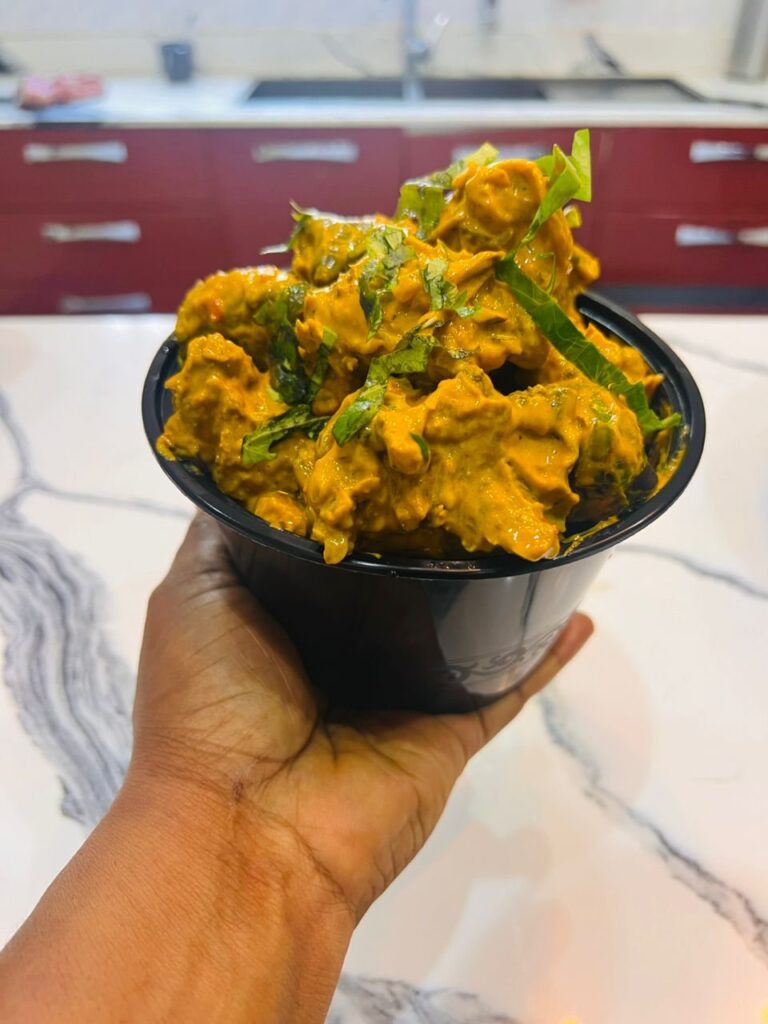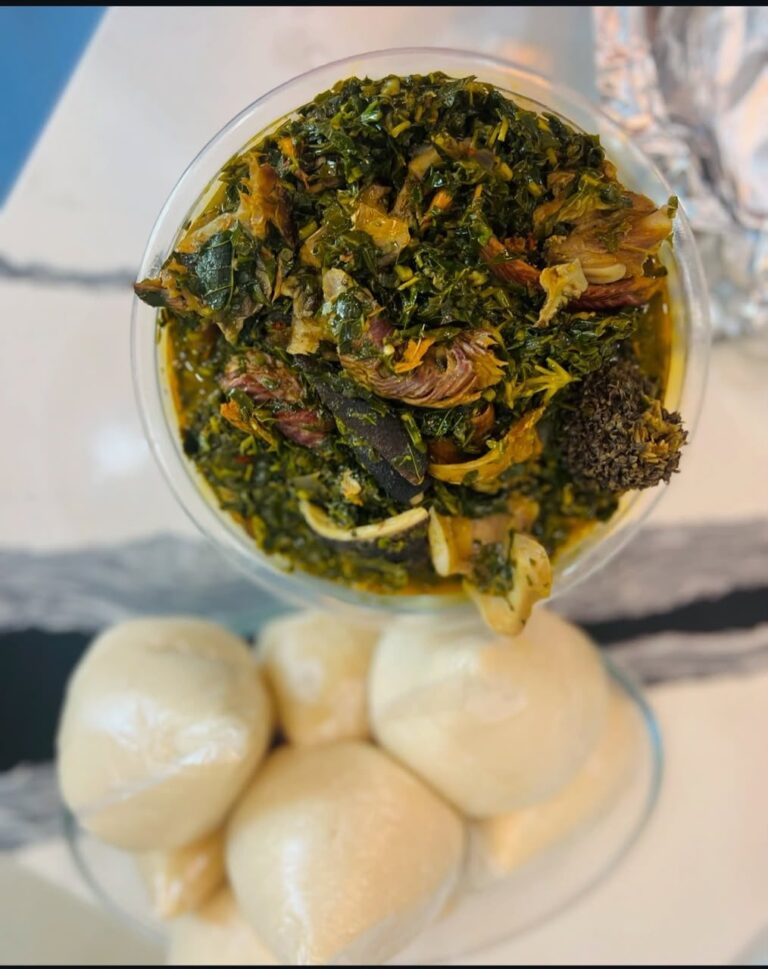

Palm oil is easy to notice because of its colour. A spoonful can turn a soup base warm, red-orange and rich. But palm oil is not just a colour. In Nigerian cooking, it can affect flavour, mouthfeel, aroma and the way ingredients come together.
That does not mean every Nigerian dish needs palm oil. Rice dishes, soups, stews and local foods each have their own logic. Some dishes lean on palm oil heavily. Others use little or none. Regional preferences and family habits also vary.
This guide explains palm oil as an ingredient, not as a health topic. It covers what palm oil looks like, what it tastes like, how it is commonly used, how to buy and store it, when substitutions are possible and what misconceptions to avoid.
Quick Summary
Palm oil is one of the important flavour and colour builders in Nigerian cooking. It gives many soups and local dishes their red-orange colour, earthy aroma and rounded richness. It appears in dishes such as egusi soup, bitterleaf soup, oha soup, ogbono soup, vegetable soups, local stews and some traditional preparations.
For the wider ingredient system, read Understanding Nigerian Ingredients and Spices. To see where palm oil appears in meals, connect this guide to The Ultimate Guide to Nigerian Soups, The Complete Guide to Nigerian Rice Dishes and The Complete Guide to Nigerian Swallow Foods.
Ingredient Overview
Palm oil is the red-orange oil commonly used in many West African dishes. In Nigerian cooking, it is especially associated with soups and local dishes where colour, body and earthy richness matter.
It should not be confused with every red oil or every cooking oil. Palm oil has its own aroma and flavour. A neutral vegetable oil can cook food, but it will not create the same character in a soup that depends on palm oil.
Why It Matters
Palm oil often helps carry pepper, crayfish, stock, leafy vegetables, seeds and proteins. In dishes such as egusi soup, ogbono soup and bitterleaf soup, it can help the dish feel full and rounded.
Taste Profile
Palm oil has an earthy, rich and slightly savoury character. In good cooking, it should support the dish. It should not taste raw, greasy or heavy.
The taste also depends on quantity and handling. Too much palm oil can make a dish feel oily. Too little can make some soups look and taste unfinished.
Appearance
Palm oil is usually red-orange to deep red, depending on the oil and processing. In food, it can give soups a warm colour and visible sheen.
Clean palm oil should look consistent and should not show obvious contamination. If the oil smells stale, smoky in an unpleasant way, or looks poorly stored, it is better to avoid it.
Common Uses
| Dish Or Category | How Palm Oil Helps |
|---|---|
| Egusi soup | Adds colour, richness and body around the ground seeds. |
| Ogbono soup | Supports the savoury base and draw texture. |
| Bitterleaf soup | Balances earthy leaves and proteins. |
| Oha soup | Helps build richness in some preparations. |
| Vegetable soups | Adds colour and depth to leafy dishes. |
| Local stews and sauces | Gives red colour and traditional richness. |
For dish context, link readers to Egusi Soup Explained, Ogbono Soup, and Bitterleaf Soup Explained.
Regional Variations
Palm oil use varies across Nigeria and across households. Some soups depend on it for colour and richness. Some dishes use it lightly. Some cooks prefer a brighter red finish, while others prefer restraint.
The safest editorial language is to say palm oil is common in many Nigerian soups and local dishes, not that every Nigerian dish uses it.
Storage Tips
Store palm oil sealed, away from direct heat and light. Keep the container clean, dry and tightly closed.
Avoid dipping wet utensils into the oil. Moisture and poor handling can reduce quality. For restaurant or bulk food planning, storage and ingredient handling should follow the kitchen’s food-safety process.
Buying Tips
Look for palm oil that smells clean and fresh, with no stale or unpleasant odour. The colour should look natural for the product and the packaging should be clean.
For home cooking, buy a quantity you can use while it is still fresh. For restaurant ordering, ask about finished dishes rather than raw ingredient sourcing unless you have a specific preference or allergy concern.
Possible Substitutions
There is no perfect substitute for palm oil in a dish that depends on its colour and flavour. Neutral oil can replace the cooking fat in a practical sense, but the dish will taste and look different.
If palm oil is reduced or replaced, describe the result honestly. Do not call the flavour identical.
| Substitute | What It Can Do | What It Cannot Do |
|---|---|---|
| Neutral vegetable oil | Cook ingredients and reduce oil intensity | Replace palm oil colour or earthy aroma |
| Blended oil approach | Soften palm oil intensity | Preserve full traditional character |
| No oil or low-oil approach | Suit a specific preference | Recreate the original mouthfeel |
Common Misconceptions
- Palm oil alone does not make food Nigerian.
- Every Nigerian soup does not use palm oil.
- More palm oil does not automatically mean better flavour.
- Palm oil and neutral vegetable oil are not identical.
- A red colour does not prove a dish is well balanced.
- Ingredient articles should not make unsupported health claims about palm oil.
Helpful Tables
| Reader Question | Practical Answer |
|---|---|
| Does egusi soup need palm oil? | Many egusi preparations use it, but styles vary. |
| Can palm oil be substituted? | Sometimes, but colour and flavour change. |
| Is palm oil only for soups? | No. It also appears in local sauces and traditional dishes. |
| Should palm oil taste greasy? | No. Good balance should feel rich, not oily. |
| Does palm oil affect delivery meals? | It can separate or show on the surface if a dish sits, so packaging and reheating matter. |
Ready To Order?
Want to taste palm oil in finished Nigerian dishes rather than study it alone? Browse AdaOwerri Kitchen’s Menu for current soups, rice meals, soup-and-swallow options and local dishes.
For family meals, office orders or events, use Bulk Orders so dish choices, quantities, packaging and timing can be confirmed.
Need Help Choosing?
Not sure which dishes use palm oil or how rich a soup will taste? Message AdaOwerri Kitchen through WhatsApp on the website or use Contact to ask what is available today and what fits your preference.
Frequently Asked Questions
What is palm oil used for in Nigerian cooking?
Palm oil is used for colour, richness, body and earthy flavour in many Nigerian soups, local sauces and traditional dishes.
Does every Nigerian soup use palm oil?
No. Palm oil is common in many soups, but usage varies by dish, region, household and kitchen.
Can vegetable oil replace palm oil?
Vegetable oil can work as a cooking fat, but it will not create the same red colour or earthy flavour.
What does palm oil taste like?
It tastes earthy, rich and rounded when handled well. It should not make the dish feel greasy.
Is palm oil used in rice dishes?
Some local rice dishes may use palm oil, but common restaurant rice dishes such as jollof, fried rice and coconut rice depend on different flavour bases.
How should palm oil be stored?
Store it sealed, clean, dry and away from direct heat and light.
Conclusion
Palm oil is one of the ingredients that helps Nigerian dishes feel rich, colourful and grounded. It is especially important in many soups, but it is not the only flavour builder and it is not used everywhere.
Use palm oil knowledge to understand dishes better. Egusi, ogbono, bitterleaf and vegetable soups can make more sense once you know what the oil contributes. For wider context, read Understanding Nigerian Ingredients and Spices, The Ultimate Guide to Nigerian Soups, The Complete Guide to Nigerian Rice Dishes, The Complete Guide to Nigerian Swallow Foods and The Complete Guide to Nigerian Food Culture.