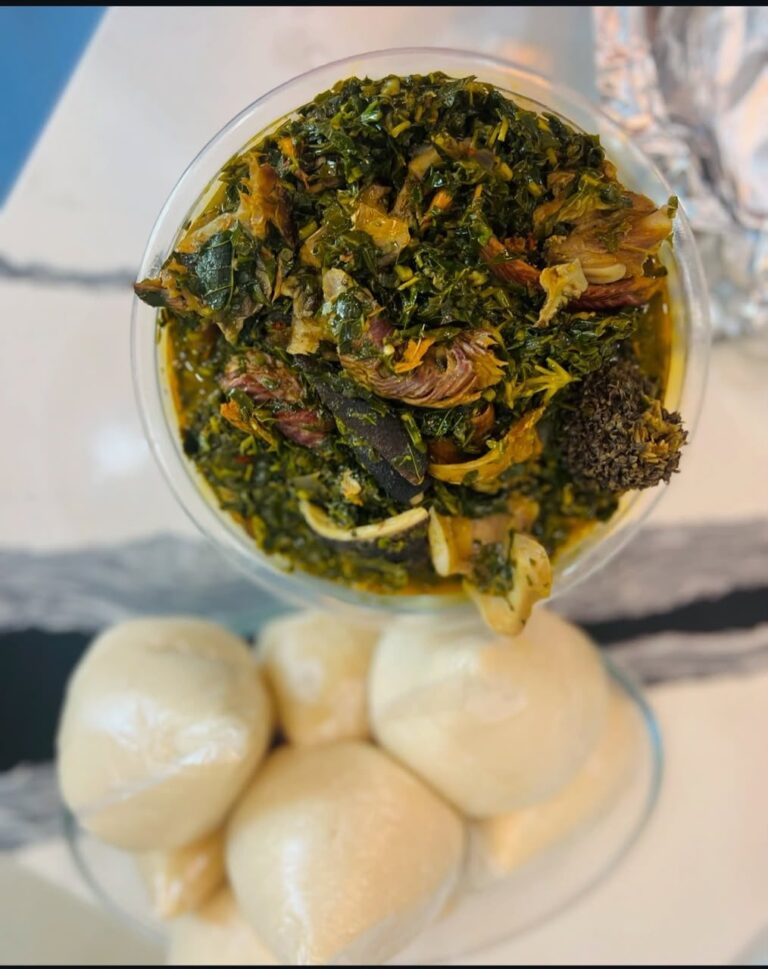
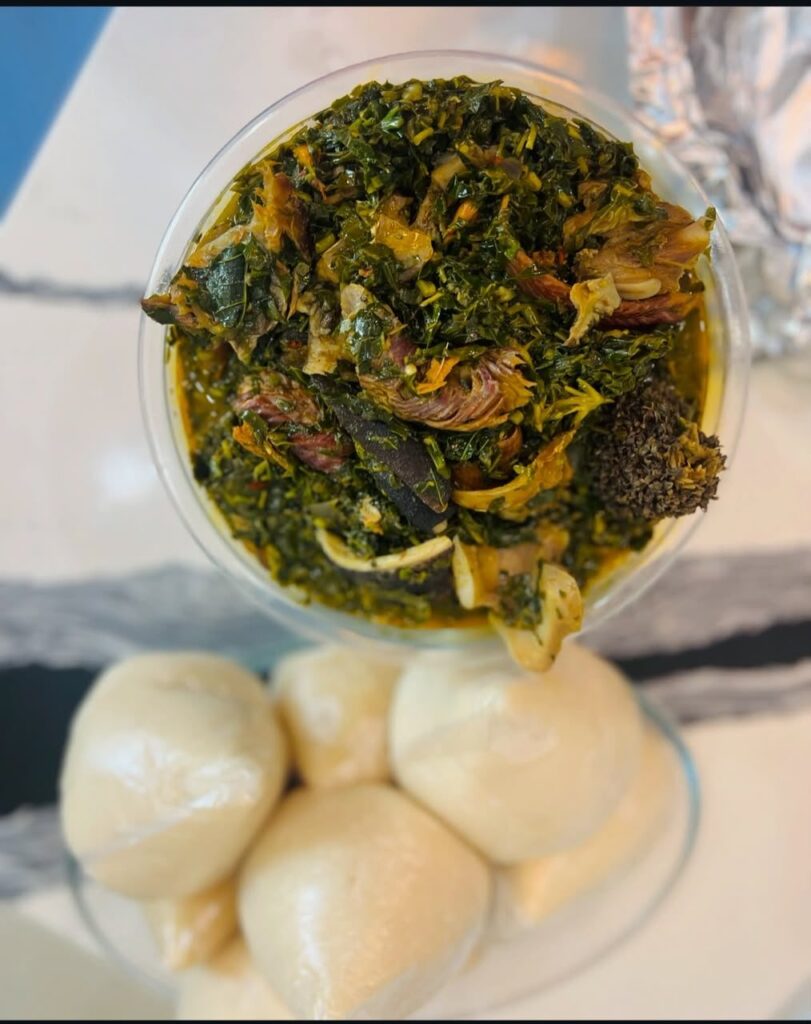
Nigerian soups carry memory. One spoon can remind you of home kitchens, Sunday lunch, family visits or market days. Because these dishes are so familiar, people can be very honest when something feels wrong.
Egusi may taste flat. Oha may lose its leafy freshness. Afang may feel rough instead of rich. Nsala may taste thin. Ogbono may lose its draw. Bitterleaf may become too bitter, too oily or too heavy. Sometimes the problem is not one dramatic mistake. It is a chain of small choices that weaken the final bowl.
This guide is not a recipe. It is a practical quality guide for the mistakes that affect flavour, texture, balance, serving and storage, while pointing readers back to The Ultimate Guide to Nigerian Soups.
If you would rather enjoy a carefully prepared soup without doing all the work yourself, AdaOwerri Kitchen’s Menu includes Nigerian soup and swallow options when available, with Delivery, Bulk Orders and Contact pages for ordering support.
Quick Answer
Common mistakes people make when cooking Nigerian soups include using a weak stock base, adding too much water, using too much palm oil, overcooking leafy vegetables, under-seasoning the soup foundation, choosing the wrong swallow pairing, rushing thick soups, storing leftovers poorly and treating every soup as if it needs the same method.
Nigerian soups reward patience: strong base, balanced seasoning, right texture and enough restraint to let the main ingredients shine.
Common Mistakes
Mistakes at a Glance
| Mistake | What It Does | Better Approach |
|---|---|---|
| Weak stock base | Makes soup taste flat | Build flavour before adding final ingredients |
| Too much water | Makes soup thin and diluted | Add liquid gradually |
| Too much oil | Makes soup heavy | Use enough for flavour, not excess |
| Overcooked leaves | Makes soup dull | Add delicate leaves with care |
| Rushing thick soups | Causes uneven texture | Cook patiently and stir properly |
| Wrong swallow pairing | Makes the meal feel unbalanced | Match swallow texture to soup body |
| Poor storage | Damages flavour and safety | Portion, cool and store properly |
| Reheating badly | Burns or weakens soup | Reheat gently and thoroughly |
Mistake 1: Starting With a Weak Base
Many Nigerian soups depend on the base long before the final ingredients go in. Stock, proteins, dried fish, crayfish, pepper, onions, seasoning and cooking liquid all help create depth.
If the base is weak, the finished soup may need constant correction. People then add more seasoning, more pepper or more oil, but the soup still feels empty because the foundation was not strong.
Better Approach
Think of the base as the first layer of flavour. The stock should taste purposeful before the soup becomes crowded with leaves, thickeners or proteins. This does not mean over-seasoning. It means building flavour gradually and tasting along the way.
Egusi, bitterleaf, oha and afang all benefit from a thoughtful base. Nsala, because it looks lighter, especially needs a clean but confident foundation.
Mistake 2: Adding Too Much Water
Water can save a soup that is too thick, but it can also flatten a soup quickly. Some people add too much water early, then spend the rest of the cooking time trying to force the soup back into shape.
Too much water affects flavour, texture and serving. The soup may separate, taste diluted or fail to hold the swallow properly.
Better Approach
Add liquid in stages. Let the soup show you what it needs. Thick soups such as egusi and ogbono often need less liquid than expected, while lighter soups such as nsala still need enough body to feel satisfying.
For storage and leftovers, see How to Store Nigerian Soups Properly and How to Reheat Nigerian Soups Without Losing Flavour.
Mistake 3: Using Too Much Palm Oil
Palm oil gives many Nigerian soups colour, aroma and richness. Used well, it supports the soup. Used heavily, it can dominate everything.
Too much oil can make soup feel greasy, mask the taste of vegetables and proteins, and leave an unpleasant coating on the mouth. This is especially noticeable in soups that already have rich proteins or seed-based thickeners.
Better Approach
Use palm oil with intention. The goal is not to make every soup look the same shade of red. Egusi, oha, bitterleaf and afang each need their own balance. Nsala, of course, is known as white soup because it does not rely on palm oil in the same way.
Mistake 4: Treating Every Soup Like Egusi
Egusi is popular, flexible and forgiving, but not every Nigerian soup should be handled like egusi. Oha is not egusi. Afang is not egusi. Nsala is not egusi. Ogbono is not egusi.
When people use one method for every soup, they may miss what makes each soup special.
Better Approach
Respect the personality of each soup.
| Soup | What Needs Attention | Common Error |
|---|---|---|
| Egusi | Nutty body and thickness | Making it too dry or too watery |
| Oha | Soft leaves and cocoyam-style body | Overcooking the leaves |
| Afang | Shredded leafy texture | Making it harsh or underbalanced |
| Nsala | Clean peppery broth | Making it too thin or over-boiled |
| Ogbono | Smooth draw | Breaking texture with high heat |
| Bitterleaf | Earthy depth | Leaving it too bitter or too oily |
For individual soup guidance, read Egusi Soup Explained, Everything You Need to Know About Oha Soup, The Complete Guide to Afang Soup and Nsala White Soup.
Mistake 5: Overcooking Leafy Vegetables
Leafy soups are easy to damage with too much heat. Oha, afang, edikang ikong and bitterleaf need care because leaves can lose colour, texture and freshness.
Overcooked leaves may become dull, tough or overly soft. The soup can still be edible, but it loses the lively quality that makes vegetable soups so satisfying.
Better Approach
Add leaves at the right point for the soup. Some leaves need more cooking than others, but delicate leafy character should not be boiled away. Stir gently, taste carefully and stop cooking once the texture is right.
Mistake 6: Ignoring Protein Preparation
Meat, fish, stockfish, dry fish, goat meat, chicken, tripe and seafood can make Nigerian soups deeply savoury. But if they are not prepared well, they can also create problems.
Poorly cleaned proteins can affect aroma. Under-seasoned proteins can taste separate from the soup. Overcooked seafood can become tough. Fish can break apart if stirred too roughly.
Better Approach
Prepare proteins according to their character. Give tougher meats enough time. Handle fish and seafood gently. Let dried ingredients contribute flavour without overpowering the pot.
Good Nigerian soup should feel integrated. The protein should not taste like it arrived late to the meal.
Mistake 7: Underestimating Texture
Texture is central to Nigerian soups. People often talk about flavour first, but texture determines how the soup feels with swallow.
Egusi should not feel like dry crumbs floating in oil. Ogbono should not feel watery if people expect draw. Oha should have body. Afang should feel leafy and rich, not sandy or harsh. Nsala should feel light but not empty.
Better Approach
Know the texture you are aiming for before you begin. If the soup is supposed to be thick, do not drown it. If it is supposed to be light, do not force it to become heavy. If it is supposed to draw, protect that draw.
For pairing texture with swallow, read What Is the Best Swallow for Every Nigerian Soup?.
Mistake 8: Choosing the Wrong Swallow
The soup may be excellent, but the meal can still feel wrong if the swallow does not match it. A heavy swallow with a very light soup may feel unbalanced. A very soft swallow with a thick, draw-heavy soup may not give enough structure.
Better Approach
Think about weight, texture and personal preference.
| Soup Type | Good Swallow Direction | Why It Works |
|---|---|---|
| Thick soups | Pounded yam, eba, fufu | Enough structure for rich soup |
| Leafy soups | Eba, fufu, pounded yam, plantain swallow | Works with vegetable texture |
| Draw soups | Eba, pounded yam, semovita | Helps scoop and carry the soup |
| Light soups | Pounded yam, fufu | Complements peppery broth |
AdaOwerri Kitchen’s soup-and-swallow options on the Menu are useful for readers who want familiar pairings without guessing.
Mistake 9: Making Soup Too Peppery Without Balance
Pepper is important in many Nigerian soups, but heat alone is not flavour. A soup can be very peppery and still taste shallow.
Too much pepper can hide the taste of leaves, proteins and stock. It can also make the soup less enjoyable for guests who prefer moderate heat.
Better Approach
Use pepper as part of the flavour structure, not the whole structure. Balance it with stock depth, seasoning, crayfish, fish, meat and the natural taste of the soup ingredients.
When ordering for a group, use the Contact page or WhatsApp option to ask AdaOwerri Kitchen about spice preferences and current options.
Mistake 10: Poor Storage and Reheating
Even a good soup can become disappointing after storage. Poor storage can affect taste, texture and safety. Bad reheating can burn thick soups, dull leafy soups or weaken draw soups.
Better Approach
Store soups in clean, suitable containers. Portion larger batches so they cool and reheat more easily. Reheat only what you plan to eat. Warm thick soups patiently, leafy soups gently and draw soups carefully.
Quick Tips
- Taste the base before the soup becomes too crowded.
- Add water gradually.
- Use palm oil with restraint.
- Match the method to the soup.
- Protect leafy vegetables from overcooking.
- Handle fish and seafood gently.
- Think about texture before choosing a swallow.
- Do not rely on pepper alone for flavour.
- Store and reheat leftovers carefully.
- For large orders, plan portions before serving.
Ready To Order?
If you want Nigerian soups with balanced flavour, proper texture and satisfying swallow pairings, explore AdaOwerri Kitchen’s Menu. Current options may include familiar soups such as egusi, oha, afang, nsala and other Nigerian favourites depending on availability.
For family meals, office lunches, parties or hosted gatherings, use Bulk Orders to discuss quantity, timing and serving plans.
Need Help Choosing?
Need help choosing a soup, swallow or quantity? Message AdaOwerri Kitchen through the WhatsApp option on the website or the Contact page. Share your guest count, preferred soup style and delivery location so the team can guide you toward a practical order.
FAQs
Why does my Nigerian soup taste flat?
Flat soup often comes from a weak base, too much water or seasoning added too late without enough stock depth. Build flavour early and taste as the soup develops.
Why is my egusi soup too dry?
Egusi can become too dry if there is not enough liquid, if the heat is too high or if it cooks down too aggressively. Add liquid gradually and stir with care.
Why does my ogbono soup lose its draw?
Ogbono can lose draw when overheated, over-diluted or stirred too aggressively. Low to medium heat and gentle handling usually protect texture better.
Why does oha soup sometimes taste dull?
Oha can taste dull if the base is weak or the leaves are overcooked. The soup needs both a savoury foundation and careful handling of the leaves.
How do I fix watery Nigerian soup?
The best fix depends on the soup. Some soups can be reduced gently, while others need the correct thickener or ingredient balance. Avoid dumping in random thickeners that change the character of the dish.
What is the biggest mistake when cooking Nigerian soups for guests?
The biggest mistake is failing to plan quantity, spice level, swallow pairing and serving time. For groups, it is often easier to plan with a restaurant through Bulk Orders.
Which Nigerian soup is easiest for beginners?
Many people find egusi familiar and flexible, but ease depends on ingredients, method and experience. Start with one soup, learn its texture and avoid rushing.
Conclusion
Great Nigerian soup is not only about ingredients. It is about balance. The stock must have depth. The liquid must be controlled. The vegetables must be respected. The oil must support rather than dominate. The swallow must match the soup.
When these details come together, Nigerian soups become generous, layered and deeply comforting.
For a broader introduction to soup styles, read The Ultimate Guide to Nigerian Soups. To enjoy Nigerian soups without cooking from scratch, check AdaOwerri Kitchen’s Menu, Delivery, Bulk Orders and Contact pages.