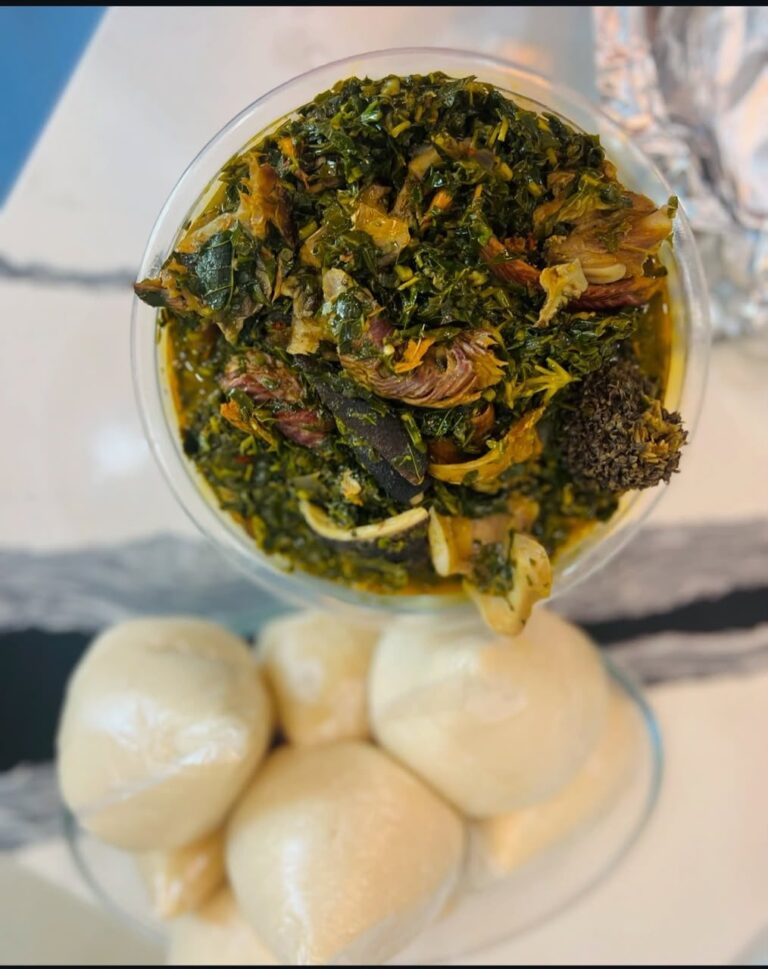
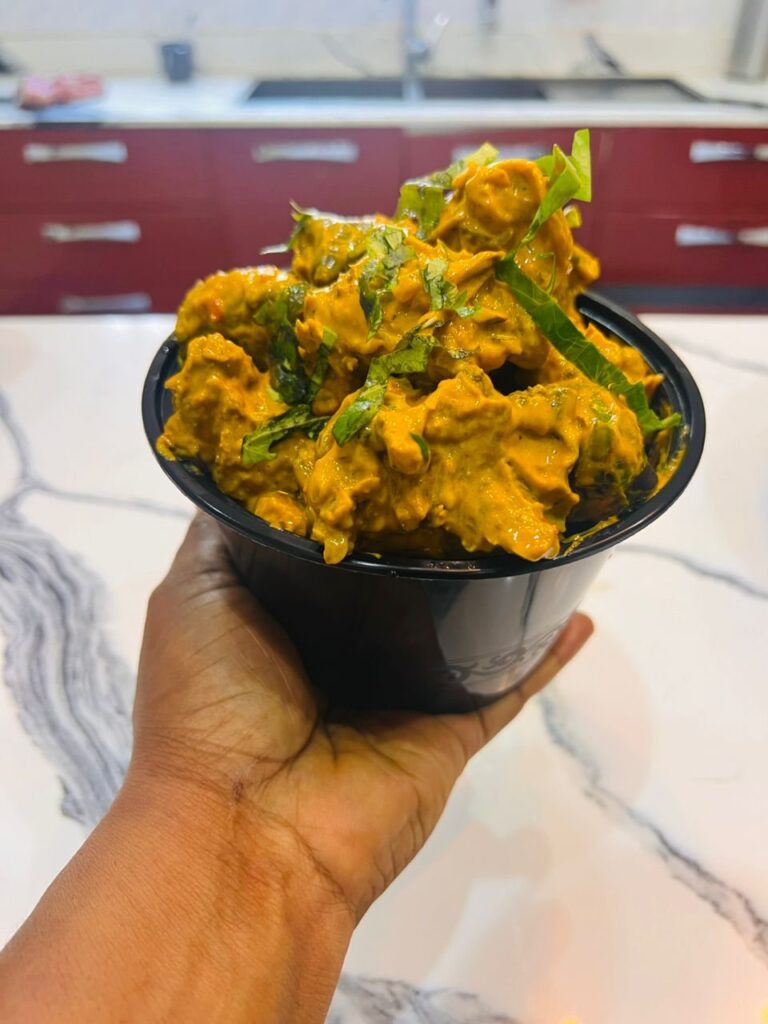
When people talk about Nigerian flavour, pepper often gets all the attention. But Nigerian cooking is not just about heat. It is also about aroma, depth, bitterness, smoke, fermentation, texture and the way ingredients build on one another.
Traditional spices and seasonings help create that complexity. Ehuru can bring warm fragrance. Uda can add a distinctive peppery-bitter note. Uziza can contribute sharp aroma through seeds or leaves. Ogiri, iru and dawadawa can deepen savoury flavour through fermentation.
This guide introduces common Nigerian spices and seasonings in a practical way. It is not a medical guide or a claim that every Nigerian dish uses every spice. It is a food guide for readers who want to understand what these ingredients do and how they connect to soups, rice dishes, swallow foods and culture. For the full ingredient system, see Understanding Nigerian Ingredients and Spices.
Quick Summary
Common Nigerian spices and seasonings include ehuru, uda, uziza, ogiri, iru, dawadawa, dry pepper, scent leaf, alligator pepper in some contexts and other local aromatics. They are used differently across Nigerian regions and dishes.
Some spices add warmth. Some add peppery aroma. Some, like ogiri or iru, are fermented seasonings that bring deep savoury flavour rather than a simple spice note. Understanding the difference helps you read Nigerian dishes more accurately.
Use strong traditional spices carefully. They are powerful, and the best Nigerian food usually depends on balance.
Ingredient Overview
The word “spice” can be broad in everyday Nigerian food conversation. It may include dried seeds, pods, leaves, powders and fermented seasonings. Some ingredients are technically herbs or condiments, but they are often discussed together because they shape flavour.
Common examples include:
- Ehuru, also known as African nutmeg in many food conversations.
- Uda, an aromatic pod used in some soups and peppery dishes.
- Uziza seeds and uziza leaves, valued for a sharp peppery aroma.
- Ogiri, a fermented seasoning used in some traditional dishes.
- Iru or dawadawa, fermented locust beans used for deep savoury flavour.
- Dry pepper, a practical heat source in many kitchens.
- Scent leaf, used as an aromatic leaf in selected dishes.
Regional use varies, and names may vary by language, market or household.
Taste Profile
Nigerian spices do not all taste alike. Grouping them by flavour helps.
Ehuru is warm and aromatic. It can give pepper soup and other dishes a rounded fragrance.
Uda can be peppery, bitter and aromatic. It is often used carefully because too much can dominate.
Uziza seeds are sharp, peppery and aromatic. Uziza leaves are also aromatic but behave differently from the seeds.
Ogiri, iru and dawadawa are fermented seasonings. Their aroma can be strong, but in food they add deep savoury complexity.
Dry pepper brings heat and a dried pepper flavour. It is not the same as fresh pepper, which brings moisture and a fresher aroma.
Appearance
Traditional Nigerian spices vary widely in appearance.
Ehuru is usually sold as seeds or ground powder. Uda appears as long dark pods. Uziza seeds are small, dark and roundish, while uziza leaves are green and leafy. Ogiri may be sold in wrapped portions, paste-like forms or small blocks depending on market style. Iru or dawadawa may appear as fermented beans, loose or compressed.
This visual variety is one reason labelled photos are useful for ingredient education. Beginners may recognise the smell before they remember the name.
Common Uses
In Soups
Traditional spices and seasonings appear in many Nigerian soups. Uziza can support certain peppery soups and vegetable soups. Ogiri may deepen some southeastern dishes. Iru or dawadawa may support selected stews and soups. Uda and ehuru may appear in pepper soup-style preparations.
For soup context, see The Ultimate Guide to Nigerian Soups.
In Pepper Soup and Peppery Broths
Ehuru, uda and related aromatics are strongly associated with pepper soup-style flavour in many kitchens. Exact blends vary, and families may keep their own preferred combinations.
In Rice and Sauces
Traditional spices are not equally common in every rice dish. Some rice sauces may use iru, dry pepper or local aromatics, while classic party-style jollof may rely more on tomato, pepper, onion, stock and seasoning technique. For rice context, see The Complete Guide to Nigerian Rice Dishes.
With Swallow Meals
Many spices and fermented seasonings matter because they shape the soups eaten with swallow foods. A swallow itself may be mild, but the soup carries the spice and seasoning complexity. See The Complete Guide to Nigerian Swallow Foods.
Regional Variations
Spice use varies significantly across Nigeria. Some ingredients are strongly associated with particular regions, but they can also travel through markets, restaurants and family migration.
Ogiri may be familiar in many southeastern food contexts. Iru is widely associated with many southwestern dishes, while dawadawa is often discussed in northern and middle-belt cooking contexts. Uda, ehuru and uziza appear in different traditional soups and peppery dishes depending on the cook.
These are broad food associations, not rigid borders. Nigerian food culture is dynamic, and ingredient use changes from household to household.
Storage Tips
Spices and fermented seasonings need different storage habits.
- Keep dried spices in airtight containers.
- Store them away from heat and direct light.
- Label spices clearly, especially when ground.
- Buy small quantities if you cook occasionally.
- Refrigerate or freeze fermented seasonings if needed.
- Keep strong-smelling ingredients sealed to avoid aroma transfer.
- Check for mould, dampness or stale smell before use.
Ground spices lose aroma faster than whole spices. Whole ehuru or uziza seeds may hold flavour longer than pre-ground versions when stored properly.
Buying Tips
When buying Nigerian spices, trust and turnover matter. Strong aromatics can go stale, and fermented seasonings need careful handling.
Look for:
- Clear labels where possible.
- Fresh aroma.
- Dryness for dried spices.
- Clean storage conditions.
- No visible mould.
- Small quantities if you are still learning.
- Whole spices when you want longer storage.
Ask market sellers or restaurant staff for local names if you are unsure. Some ingredients may be known by multiple names.
Possible Substitutions
Traditional Nigerian spices can be difficult to replace exactly.
- Ehuru may be reduced or omitted if unavailable, but the warm aroma will change.
- Uda has a distinctive flavour and should not be replaced casually in dishes that depend on it.
- Uziza seeds and leaves are related in name but not identical in behaviour.
- Iru, dawadawa and ogiri are fermented seasonings, not simple powders. Substitutions will affect the dish deeply.
- Dry pepper and fresh pepper can sometimes be adjusted against each other, but texture and freshness differ.
If cooking for someone familiar with the dish, be transparent about substitutions.
Common Misconceptions
“Nigerian spices are only about heat.”
Heat is only one part of the story. Many Nigerian spices add aroma, warmth, bitterness, savouriness or fermented depth.
“Ogiri and iru are just spices.”
They are better understood as fermented seasonings or condiments. Their role is deeper than a sprinkle of dry spice.
“More traditional spice means more authentic food.”
Too much of a strong spice can ruin balance. Good Nigerian cooking uses powerful ingredients with control.
“All Nigerian regions use the same spice blend.”
They do not. Spice use varies by region, household, dish and availability.
Helpful Tables
Common Nigerian Spices and Seasonings
| Ingredient | Typical Form | Main Flavour Role |
|---|---|---|
| Ehuru | Whole seed or powder | Warm aromatic fragrance |
| Uda | Pod | Peppery, bitter, aromatic note |
| Uziza seed | Seed or powder | Sharp peppery aroma |
| Uziza leaf | Fresh or dried leaf | Aromatic leafy heat |
| Ogiri | Fermented paste or block | Deep savoury fermented flavour |
| Iru/Dawadawa | Fermented beans | Umami and traditional depth |
| Dry pepper | Powder or flakes | Heat and dried pepper flavour |
Where They Often Appear
| Dish Context | Possible Ingredients |
|---|---|
| Pepper soup-style dishes | Ehuru, uda, dry pepper, other aromatics |
| Traditional vegetable soups | Uziza, ogiri, crayfish, palm oil |
| Stews and sauces | Iru, dawadawa, dry pepper |
| Swallow pairings | Spiced soups and vegetable soups |
| Rice sauces | Iru, dry pepper, local aromatics where appropriate |
Whole vs Ground Spices
| Form | Advantage | Caution |
|---|---|---|
| Whole spices | Hold aroma longer | Need grinding or preparation |
| Ground spices | Convenient and quick | Lose aroma faster |
| Fermented seasonings | Deep flavour | Strong aroma and storage needs |
| Fresh leaves | Bright aroma | Short shelf life |
Quick Tips
- Learn one spice at a time.
- Smell spices before using them.
- Use strong aromatics lightly at first.
- Store ground spices in small quantities.
- Ask about fermented ingredients if you are new to a dish.
Ready To Order?
Traditional Nigerian spices are easiest to understand when they are part of a complete meal. Browse AdaOwerri Kitchen’s Menu to explore dishes where pepper, aromatics, seafood seasonings and traditional flavours come together.
For group orders, the Bulk Orders page can help you plan balanced meals across soups, rice dishes and sides.
Need Help Choosing?
If you want to ask about spice level, fermented seasonings, seafood ingredients or delivery timing, use the WhatsApp ordering option or the Contact page. Practical delivery information is available on the Delivery page.
Frequently Asked Questions
What spices are common in Nigerian cooking?
Common Nigerian spices and seasonings include dry pepper, ehuru, uda, uziza seeds, uziza leaves, ogiri, iru, dawadawa and other local aromatics depending on the dish and region.
What is ehuru used for?
Ehuru is used for warm aromatic flavour in selected Nigerian dishes, especially pepper soup-style preparations and some traditional soups.
Is ogiri a spice?
Ogiri is better described as a fermented seasoning. It has a strong aroma and adds deep savoury flavour to certain traditional dishes.
What does uziza taste like?
Uziza has a sharp, peppery, aromatic character. Uziza seeds and uziza leaves are used differently, so they should not be treated as identical.
Can I replace Nigerian spices with curry powder?
Curry powder does not replace traditional Nigerian spices directly. It has its own flavour profile and will change the dish.
Conclusion
Common Nigerian spices and seasonings help explain why Nigerian food tastes layered rather than simply hot. Ehuru, uda, uziza, ogiri, iru, dawadawa and dry pepper each bring a different kind of flavour.
The best way to approach them is with curiosity and restraint. Learn their aromas, understand their roles and notice how they support soups, sauces, rice pairings and swallow meals. Once these ingredients make sense, Nigerian food becomes easier to appreciate and much easier to order with confidence.