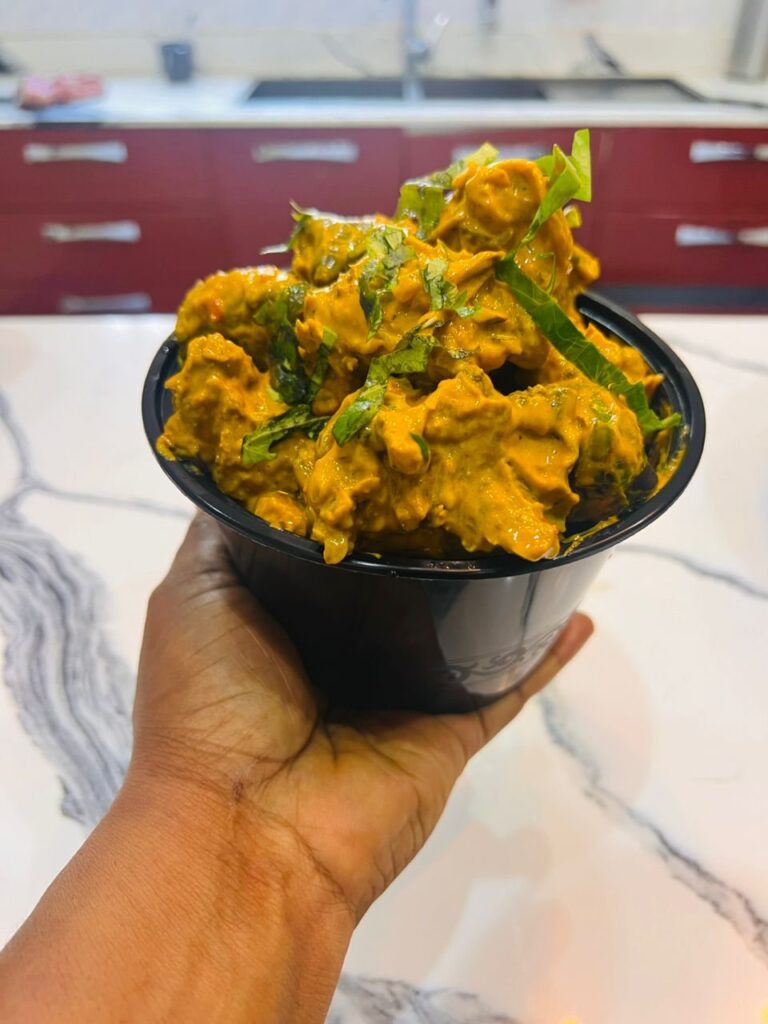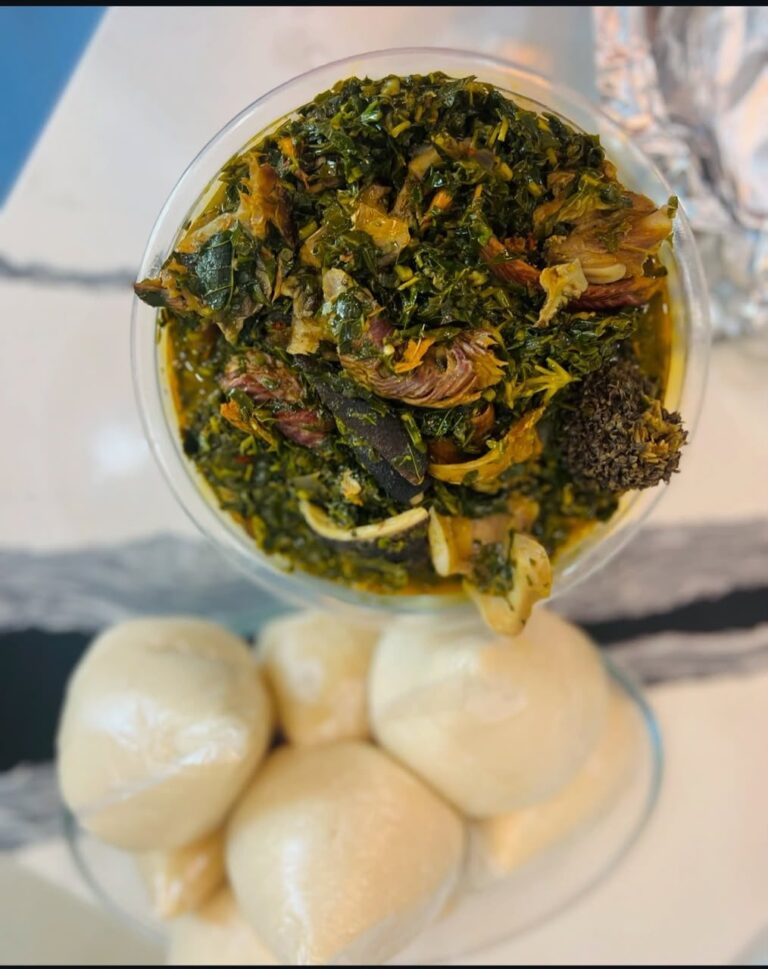
Leaves are central to many Nigerian soups. They do more than add green colour. They can define the dish, change texture, add bitterness, bring aroma or create the difference between a familiar soup and something that feels incomplete.
For first-time diners, names such as oha, ugu, bitterleaf, uziza and utazi can blur together. They are all leaves, but they do not taste or behave the same way.
This guide explains the main leaves in a practical way: what they look like, how they taste, where they are used, how storage works, and when substitution is reasonable.
Quick Summary
Traditional Nigerian leaves do different jobs. Ugu adds mild leafy body. Oha gives oha soup its soft signature character. Bitterleaf brings earthy bitterness when prepared well. Uziza adds peppery aroma. Utazi adds bitter herbal contrast. They are not interchangeable in every dish.
For the wider ingredient system, read Understanding Nigerian Ingredients and Spices. For soup applications, read The Ultimate Guide to Nigerian Soups and the individual soup guides for oha, afang and bitterleaf.
Ingredient Overview
Traditional Nigerian leaves are leafy vegetables or aromatic herbs used in soups, sauces and local dishes. Some are main vegetables. Some are supporting aromatics. Some are used sparingly because they are bitter or intense.
This article focuses on:
- Ugu.
- Oha.
- Bitterleaf.
- Uziza.
- Utazi.
Other leaves such as scent leaf and ukazi also matter, but they belong in the broader ingredient system.
Taste Profile
| Leaf | Taste |
|---|---|
| Ugu | Mild, green and leafy |
| Oha | Soft, delicate and slightly earthy |
| Bitterleaf | Earthy and bitter when not balanced |
| Uziza | Peppery, aromatic and sharp |
| Utazi | Bitter, herbal and assertive |
Appearance
Ugu leaves are broad and green. Oha leaves are soft and delicate. Bitterleaf is usually prepared before use to manage bitterness. Uziza and utazi may be used in smaller quantities because of their stronger flavour.
Fresh leaves should look lively, not slimy, badly bruised or dull.
Common Uses
| Leaf | Common Uses | Related Dish Links |
|---|---|---|
| Ugu | Vegetable soups, egusi, stews | Egusi soup, vegetable soup |
| Oha | Oha soup, Ofe Owerri-style meals | Oha soup |
| Bitterleaf | Bitterleaf soup and traditional soups | Bitterleaf soup |
| Uziza | Peppery soups, local soups, spice support | Nsala, peppery soups |
| Utazi | Pepper soup, nkwobi-style dishes, garnish | Local dishes and food culture |
Use Everything You Need to Know About Oha Soup, Bitterleaf Soup Explained and Egusi Soup Explained for specific soup examples.
Regional Variations
Leaf use varies by region, availability and household style. Oha is strongly associated with Igbo soup traditions. Bitterleaf appears in different traditional soups. Ugu is widely used in vegetable-forward cooking. Uziza and utazi can appear in soups or local dishes where their aroma or bitterness is wanted.
Do not present one leaf as a universal replacement for another. A substitution may help a cook finish a meal, but it may change the dish identity.
Storage Tips
Fresh leaves are delicate. Keep them cool, clean and dry enough to avoid sliminess. Use them promptly where possible.
If leaves are washed before storage, excess water can make them spoil faster. For restaurant operations, follow safe produce handling practices and supplier guidance.
Buying Tips
Choose leaves that look fresh, green and lively. Avoid leaves that are slimy, yellowing, moldy or unpleasant-smelling.
When ordering food, ask about the finished soup rather than raw leaves unless a particular leaf matters to you. For example, ask whether oha soup is currently available and what swallow pairs best.
Possible Substitutions
Some leaves can be substituted loosely for green body, but not for exact flavour.
| Original Leaf | Possible Substitute | What Changes |
|---|---|---|
| Ugu | Another mild green | Texture and taste change. |
| Oha | No exact substitute | Oha soup loses its identity. |
| Bitterleaf | Another bitter green used carefully | Bitterness and aroma change. |
| Uziza | Pepper plus aromatic leaf | Uziza aroma is missing. |
| Utazi | Another bitter herb used sparingly | Flavour changes noticeably. |
Common Misconceptions
- Any green leaf cannot replace oha in oha soup.
- Bitterleaf should not taste harsh when properly balanced.
- Uziza and utazi are not the same leaf.
- Leaves are not only decoration; they shape flavour and texture.
- More leaf does not always mean better soup.
- Regional use varies, so avoid one-size-fits-all claims.
Helpful Tables
| If You Want | Consider | Why |
|---|---|---|
| Mild leafy body | Ugu | Adds green fullness without strong bitterness. |
| Soft Igbo soup character | Oha | Defines oha soup. |
| Earthy traditional depth | Bitterleaf | Adds bitterness when balanced. |
| Peppery aromatic lift | Uziza | Adds sharp aroma. |
| Bitter contrast | Utazi | Works in small amounts. |
Ready To Order?
Want to taste these leaves in finished dishes? Browse AdaOwerri Kitchen’s Menu for current soups, soup-and-swallow meals, rice dishes and sides.
For family or event orders, use Bulk Orders to confirm soup choices, leaf-based dishes, swallow options, packaging and timing.
Need Help Choosing?
Not sure whether oha, bitterleaf, egusi or another leafy soup is available today? Message AdaOwerri Kitchen through WhatsApp on the website or use Contact to ask about current options.
Frequently Asked Questions
What leaves are used in Nigerian soups?
Common leaves include ugu, oha, bitterleaf, uziza, utazi, scent leaf and ukazi, depending on the dish.
What is oha leaf used for?
Oha leaf is used in oha soup and related Igbo soup traditions. It gives the soup its soft leafy identity.
Is bitterleaf really bitter?
It has bitterness, but good preparation balances it so the soup tastes earthy rather than harsh.
Can ugu replace oha?
Not exactly. Ugu can add green body, but oha soup loses its identity without oha.
Are uziza and utazi the same?
No. Uziza is peppery and aromatic, while utazi is more bitter and herbal.
How should fresh leaves be stored?
Keep them cool, clean and protected from excess moisture, then use them promptly.
Conclusion
Nigerian leaves are not interchangeable decorations. Ugu, oha, bitterleaf, uziza and utazi each bring a different taste, texture and purpose.
Understanding leaves makes it easier to understand soups. Oha soup depends on oha. Bitterleaf soup depends on properly balanced bitterness. Egusi can carry ugu. Peppery soups can use aromatic leaves. For broader context, read Understanding Nigerian Ingredients and Spices, The Ultimate Guide to Nigerian Soups, The Complete Guide to Nigerian Rice Dishes, The Complete Guide to Nigerian Swallow Foods and The Complete Guide to Nigerian Food Culture.