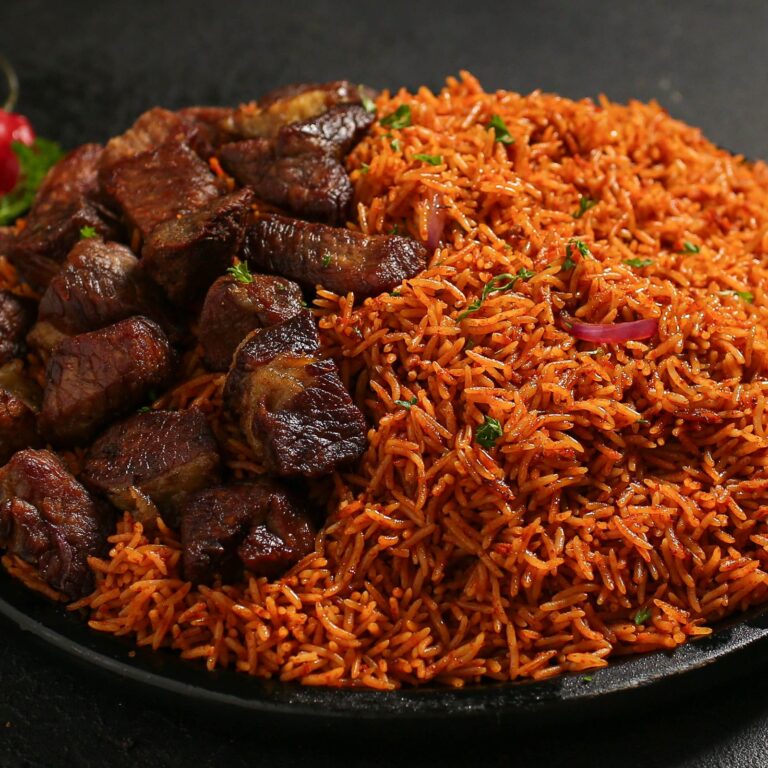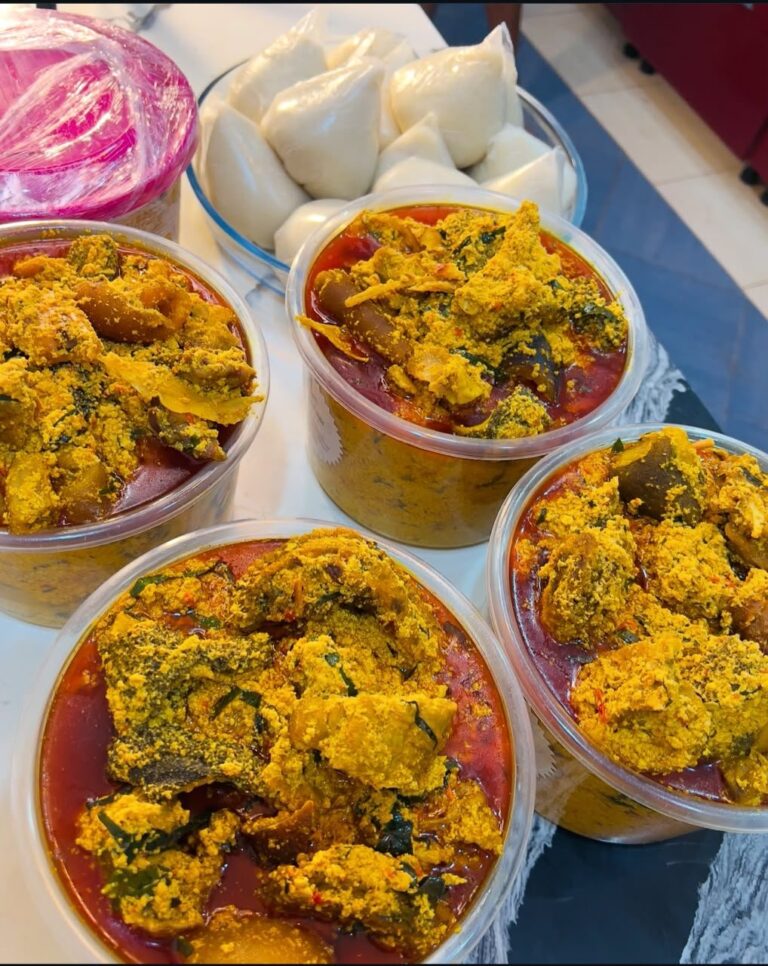
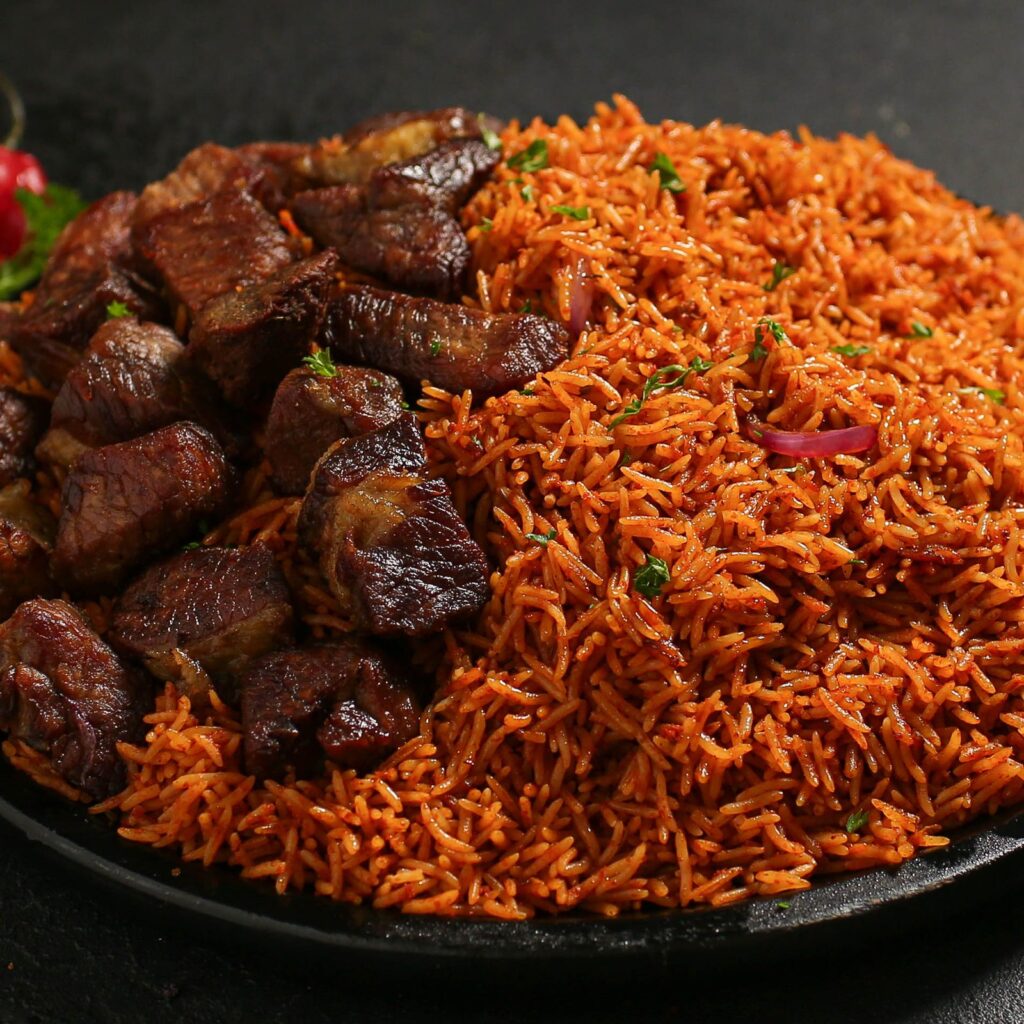
Cooked rice is one of the most useful foods to have left over, but it is also one of the foods that needs careful handling. Nigerian rice dishes such as jollof rice, fried rice, coconut rice, Ofada rice, and plain rice with stew can taste excellent later, but only if they are cooled, packed, stored, and reheated with care.
The issue is not only flavour. Rice safety depends on time, temperature, and handling. If cooked rice sits out too long, bacteria can grow and may produce toxins that reheating will not fix. That is why rice storage needs more attention than simply covering a pot and leaving it on the counter.
This guide explains how to store cooked rice safely while protecting texture and quality. It is designed for home leftovers, delivery meals, office lunch planning, and bulk rice orders from AdaOwerri Kitchen.
Quick Answer
Store cooked rice by cooling it quickly, portioning it into clean shallow containers, refrigerating or freezing it promptly, and reheating only the portion you plan to eat. Keep rice separate from stew, sauce, soup, and swallow where possible so each item keeps better texture and can be reheated properly.
Rice needs extra care because cooked rice can become unsafe if it sits too long at room temperature. Public guidance differs by jurisdiction, so final publication should follow current local food-safety requirements. As a conservative editorial note, UK Food Standards Agency guidance advises chilling rice quickly and eating refrigerated rice within 24 hours, while FoodSafety.gov guidance says leftovers should be reheated to 165 F / 74 C.
For the wider rice context, read The Complete Guide to Nigerian Rice Dishes. For soup storage, see How to Store Nigerian Soups Properly.
Why Cooked Rice Needs Special Care
Uncooked rice can contain spores of bacteria such as Bacillus cereus. Cooking may not destroy every spore. If cooked rice is left warm or at room temperature for too long, those spores can become a food-safety problem.
That does not mean leftover rice should never be eaten. It means cooked rice should be cooled quickly, stored cold, and reheated properly.
Quality Also Changes Quickly
Rice can dry out, clump, harden, or become soggy depending on how it is stored. Jollof can thicken. Fried rice can lose freshness. Coconut rice can become heavy. Plain rice can dry out if uncovered.
Good storage protects both safety and eating quality.
Safe Storage Principles
| Step | Why It Matters | Practical Note |
|---|---|---|
| Cool quickly | Reduces time in unsafe temperature ranges | Divide into shallow portions. |
| Store promptly | Limits bacterial growth | Do not leave rice sitting out. |
| Use clean containers | Reduces contamination | Use sealed food-safe containers. |
| Portion before storage | Avoids repeated reheating | Store in meal-size portions. |
| Keep sauce separate | Protects texture | Especially useful for stew and Ofada sauce. |
| Label containers | Helps track freshness | Add rice type and date. |
How To Store Different Nigerian Rice Dishes
Jollof Rice
Jollof rice can dry out or become too firm after storage. Portion it into containers while protecting the grains from being packed too tightly.
Keep sauce, protein, and sides separate where possible. This makes reheating easier and helps the rice regain moisture without becoming mushy.
Fried Rice
Fried rice often includes vegetables and sometimes egg or protein. That means clean handling matters. Store it promptly and avoid repeated warming.
Because fried rice can dry out, portioning helps. A small portion is easier to reheat evenly than a large container.
Coconut Rice
Coconut rice can feel heavier after storage if packed too deeply or mixed with sauce too early. Store it in portions and keep pepper sauce separate when possible.
Ofada Rice And Sauce
Store Ofada rice and sauce separately. The sauce is strong and moist, and mixing it with rice before storage can make the rice soggy.
White Rice And Stew
Plain rice and stew should usually be stored separately. This protects the rice texture and lets each person control sauce quantity later.
Fridge Storage vs Freezer Storage
| Storage Method | Best For | Watch Out For |
|---|---|---|
| Fridge | Rice you plan to eat soon | Follow current food-safety guidance closely. |
| Freezer | Larger portions or meal prep | Cool quickly first and pack airtight. |
| Deep bulk container | Transport only | Divide into smaller containers for storage. |
| Rice with sauce mixed in | Short-term convenience | Texture can become soggy quickly. |
For public-facing safety wording, follow current local guidance. UK Food Standards Agency guidance is especially cautious with rice, advising quick chilling and short refrigerated storage. FoodSafety.gov gives general leftover safety and reheating guidance.
Storing Rice From Delivery
Delivered rice should be handled promptly. If you are eating soon, keep the meal covered and protected. If you are saving it, move rice, sauce, and protein into suitable containers instead of leaving them in open takeaway packaging.
If you do not know how long a rice dish has already been sitting out, be cautious. This matters especially for rice dishes that have travelled or waited before serving.
Use AdaOwerri Kitchen’s Delivery page for delivery information and Contact for order-specific handling questions.
Storing Bulk Rice Orders
Bulk rice orders need a plan before the food arrives. Ask:
- Will rice be eaten immediately or stored?
- Will it arrive in large containers?
- Who will portion it after serving?
- Will sauce be packed separately?
- Is there fridge or freezer space available?
- Will leftovers be reheated later?
For group orders, use Bulk Orders so quantity, packaging, delivery timing, and serving needs can be discussed early.
Buying Tips
Safe rice storage begins before the order is placed. If you are buying rice for later use, ask how it will be packed, whether sauce and protein can be separated, and whether the quantity will arrive in one large container or in smaller portions.
For office and event orders, request packaging that makes serving and cooling easier. Large deep containers can be convenient for transport, but smaller food-safe containers are better for storing leftovers after the meal.
Serving Suggestions
Serve cooked rice as close to delivery or finishing time as possible. If rice is part of a larger Nigerian spread, keep sauces, soups, proteins, and swallow in separate serving containers so each item can be handled correctly.
For events, assign someone to manage leftovers quickly after service. That person can portion rice, label containers, and avoid leaving trays uncovered while guests move between rice, soup, and stew options.
Storage Advice
This entire article is storage guidance, but the core rule is simple: cool promptly, store cold, label clearly, and reheat only once where local guidance recommends that limit.
Rice should not be left in the pot, rice cooker, or large delivery tray for casual overnight storage. Move it into clean containers designed for food storage, and follow current local safety guidance before deciding how long to keep it.
Quick Tips
- Cool cooked rice quickly.
- Use shallow, clean containers.
- Store rice in meal-size portions.
- Keep stew, sauce, soup, and swallow separate where possible.
- Label containers with rice type and storage date.
- Reheat only what you plan to eat.
- Do not rely only on smell to judge safety.
- Follow current local food-safety guidance before publishing exact timing rules.
Common Mistakes
- Leaving cooked rice in a pot to cool for too long.
- Storing one large bulk container instead of smaller portions.
- Mixing rice and sauce before storage.
- Reheating the same rice repeatedly.
- Keeping delivery rice in poor packaging overnight.
- Assuming reheating fixes rice that was stored badly.
- Publishing detailed safety timelines without checking current local guidance.
Ready To Order?
Planning rice for later? Browse AdaOwerri Kitchen’s Menu for current rice meals, then use Bulk Orders if you need larger portions for family, office, or event planning.
For delivery, check Delivery and ask how rice, sauce, and proteins will be packed so storage is easier after arrival.
Need Help Choosing?
Ordering rice for a group and expecting leftovers? Message AdaOwerri Kitchen through WhatsApp on the website or use Contact to ask about packaging, portioning, and delivery timing.
Frequently Asked Questions
Can cooked rice be stored in the fridge?
Yes, but it should be cooled quickly, refrigerated promptly, and eaten within the safe window recommended by current local guidance.
Why is cooked rice risky if left out?
Cooked rice can allow bacteria such as Bacillus cereus to grow if it sits too long at room temperature. Some toxins may not be fixed by reheating.
Should rice and stew be stored together?
It is usually better to store them separately. This protects rice texture and lets the stew reheat properly.
Can jollof rice be frozen?
Jollof rice can be frozen for later quality use if cooled quickly and packed properly. Final storage timing should follow current food-safety guidance.
Is delivery rice safe to store?
It depends on how it was handled, how long it sat out, and how quickly it is stored after delivery. If unsure, ask the restaurant or avoid saving it.
Can I store rice with soup?
Most Nigerian soups are better stored separately. For soup guidance, read How to Store Nigerian Soups Properly.
Conclusion
Storing cooked rice safely is about acting early. Cool it quickly, portion it well, store it cold, and keep sauces separate when possible. The same principles apply whether the rice is jollof, fried rice, coconut rice, Ofada rice, or plain rice with stew.
For Nigerian meals, good storage also protects the full plate. Rice, stew, protein, soup, and swallow all behave differently after storage, so separate packing is often the smartest choice.
For rice dish choices, read The Complete Guide to Nigerian Rice Dishes. For related soup storage, read How to Store Nigerian Soups Properly.