Rice can be excellent the next day, but it can also become dry, clumpy, oily, or unsafe if handled badly. Nigerian rice dishes need especially careful reheating because they are often served with stew, sauce, proteins, egg, plantain, or vegetables.
The first rule is simple: reheating cannot fix rice that was stored badly. If rice sat out too long or was handled carelessly, heating it again may not make it safe. That is why reheating advice should always sit beside storage advice.
This guide explains how to protect taste and texture while keeping safety in view. It is written for leftovers, delivery rice, office meals, and bulk orders from AdaOwerri Kitchen.
Quick Answer
To reheat rice without losing taste or texture, start with rice that was stored properly, reheat only the portion you plan to eat, add moisture where needed, heat evenly until it is hot throughout, and avoid repeated reheating. Jollof, fried rice, coconut rice, Ofada rice, and white rice all reheat differently, so the method should match the dish.
For storage first, read How to Store Cooked Rice Safely. For the broader rice category, read The Complete Guide to Nigerian Rice Dishes. For soup reheating, see How to Reheat Nigerian Soups Without Losing Flavour.
Safety Comes Before Texture
Rice needs careful handling because cooked rice can support bacteria growth if it stays warm or at room temperature for too long. Public guidance differs by jurisdiction, so final site copy should follow current local food-safety guidance.
As a conservative editorial reference, FoodSafety.gov lists 165 F / 74 C as the reheating temperature for leftovers, while UK Food Standards Agency guidance advises rice should be cooled quickly, stored cold, and reheated until steaming hot throughout.
Reheat Once Where Guidance Requires It
Many food-safety guides recommend reheating rice only once. From an editorial perspective, the safest public advice is to reheat only the portion the reader plans to eat.
Reheating Methods At A Glance
| Rice Dish | Texture Risk | Reheating Focus |
|---|---|---|
| Jollof rice | Dry or clumpy grains | Add light moisture and heat gently. |
| Fried rice | Dryness or oiliness | Use small portions and avoid overheating. |
| Coconut rice | Heavy or oily texture | Reheat gently with minimal moisture. |
| Ofada rice | Rice and sauce imbalance | Reheat rice and sauce separately. |
| White rice | Dryness | Reheat with steam or sauce served separately. |
How To Reheat Different Nigerian Rice Dishes
Jollof Rice
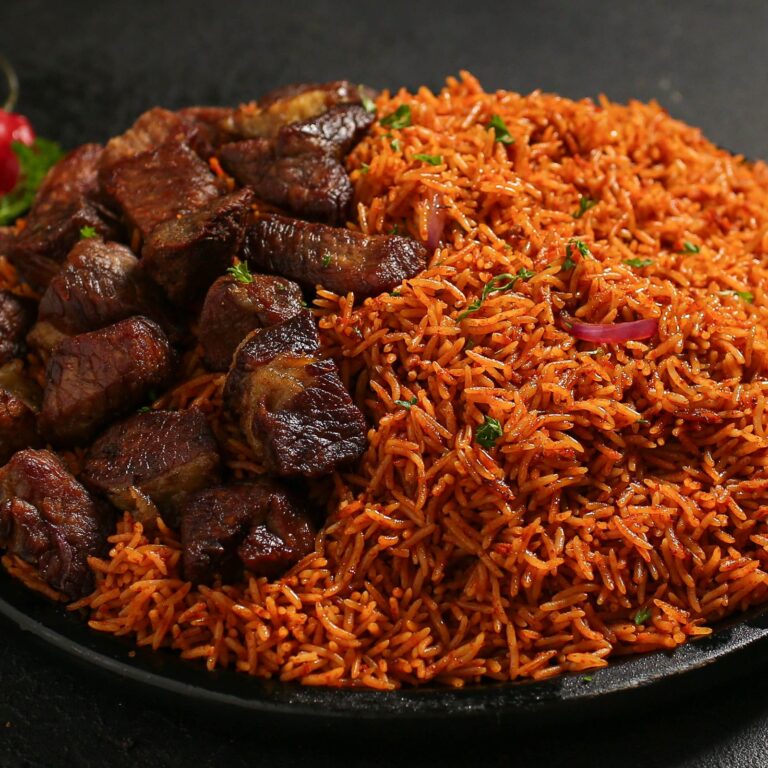
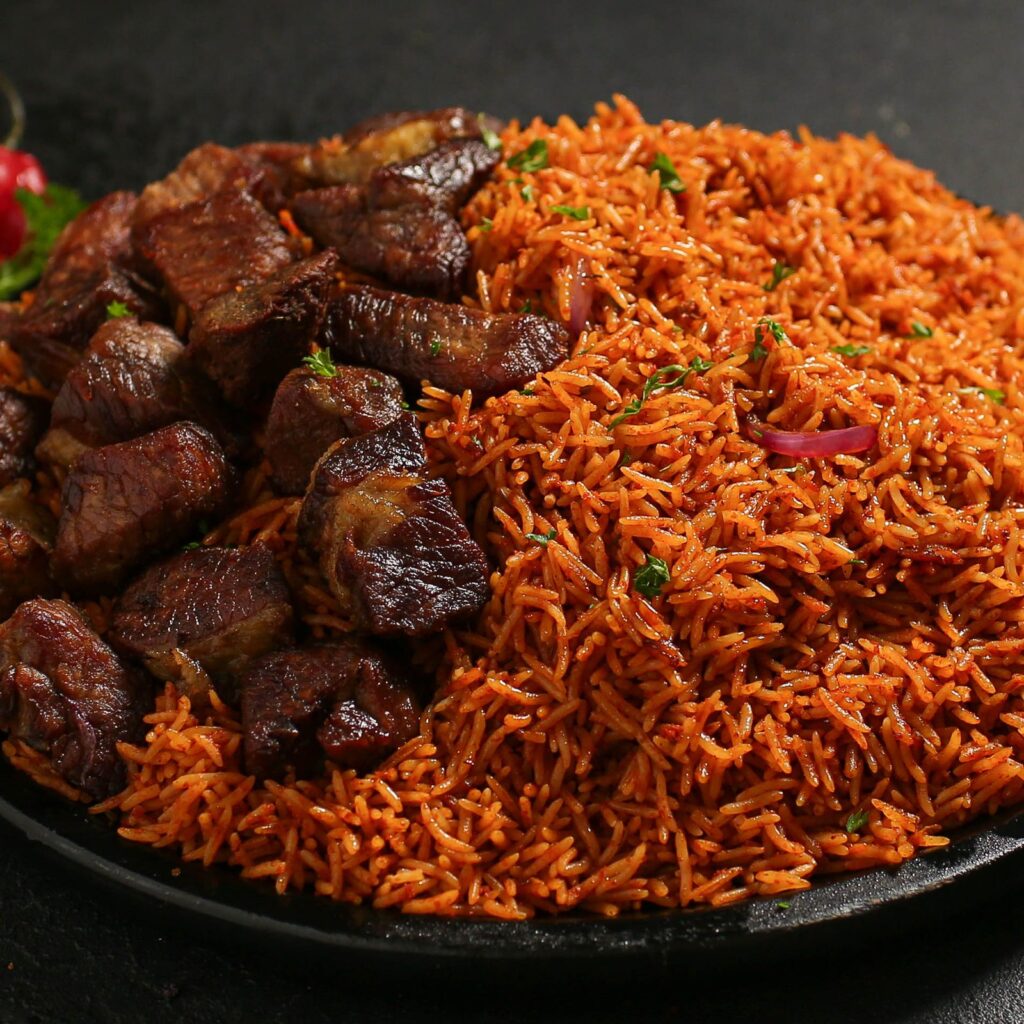
Jollof rice often firms up after storage. Reheat it in a portion size that can heat evenly. A small amount of moisture can help revive the grains, but too much will make the rice wet.
Keep sauce and protein separate if they were stored separately. Reheating everything together can make the rice uneven and the protein dry.
Fried Rice
Fried rice can lose freshness if overheated. Reheat a modest portion, stir enough for even heat, and avoid adding too much extra oil.
If the fried rice contains vegetables, egg, or protein, make sure the whole portion is hot throughout before serving.
Coconut Rice
Coconut rice can feel dense if reheated aggressively. Gentle reheating is best. Add only a small amount of moisture if needed, and keep pepper sauce separate until serving.
Ofada Rice
Ofada rice is best reheated separately from the sauce. The sauce can be reheated on its own so it stays rich, while the rice keeps its grain character.
White Rice And Stew
White rice and stew should usually be reheated separately. The rice needs steam or gentle moisture, while the stew needs even heat and stirring.
Buying Tips
If you are buying rice with the intention of saving some for later, ask how it will be packed. Separate rice, sauce, and protein make reheating easier and usually protect quality better than one mixed container.
For bulk or office orders, ask whether food can be packed in portions. Individual or smaller containers reduce the need to reheat one large tray repeatedly.
Serving Suggestions
Serve reheated rice immediately once it is hot throughout. Add sauce, stew, protein, or sides after reheating when possible so the plate feels fresh rather than overworked.
For mixed leftovers, build the plate in layers: rice first, then sauce or stew, then protein and sides. This keeps the meal looking intentional.
Storage Advice
Reheating success depends on storage. Cool rice promptly, store it in shallow containers, keep sauce separate where possible, label containers, and follow current food-safety guidance.
For the complete storage article, link to How to Store Cooked Rice Safely. If the meal includes soups, link to How to Store Nigerian Soups Properly.
Quick Tips
- Reheat only the portion you plan to eat.
- Start with rice that was stored properly.
- Keep sauce and rice separate when possible.
- Add moisture carefully; too much ruins texture.
- Heat evenly until hot throughout.
- Avoid repeated reheating.
- Do not rely on smell alone to decide if rice is safe.
Common Mistakes
- Trying to rescue rice that was left out too long.
- Reheating one large container again and again.
- Adding too much water to jollof or coconut rice.
- Reheating sauce and rice together when they were stored separately.
- Letting fried rice become oily during reheating.
- Serving rice that is hot outside but cool in the middle.
- Forgetting to reheat proteins and stew properly too.
Ready To Order?
Ordering rice for later? Browse AdaOwerri Kitchen’s Menu and ask how current rice meals are packed for delivery.
For office lunch, family meals, or event trays, use Bulk Orders to discuss packaging, portioning, rice choices, proteins, sauces, and delivery timing.
Need Help Choosing?
Need rice packed for easier reheating later? Message AdaOwerri Kitchen through WhatsApp on the website or use Contact to ask about portioning and packaging before placing your order.
Frequently Asked Questions
Can you reheat cooked rice?
Yes, if it was stored safely and reheated properly. Follow current local food-safety guidance and reheat until hot throughout.
How do you reheat jollof rice without drying it out?
Use a smaller portion, add a little moisture if needed, and heat gently until the rice is hot throughout.
Can you reheat fried rice?
Yes, but it should have been stored properly first. Reheat only what you plan to eat and avoid making it oily or dry.
Should rice and stew be reheated together?
Usually no. Reheating separately protects rice texture and helps the stew heat evenly.
Can rice be reheated more than once?
Many safety guides advise against repeated reheating. Reheat only the portion you plan to eat.
Why does reheated rice become hard?
Rice can harden when it loses moisture in storage. Proper storage and careful reheating help restore texture.
Conclusion
Reheated rice can still taste good when the original storage was safe and the reheating method fits the dish. Jollof needs moisture control, fried rice needs gentle handling, coconut rice needs restraint, Ofada needs separate sauce, and white rice often needs stew or steam.
For storage, read How to Store Cooked Rice Safely. For rice dish choices, read The Complete Guide to Nigerian Rice Dishes. For soup reheating, read How to Reheat Nigerian Soups Without Losing Flavour.