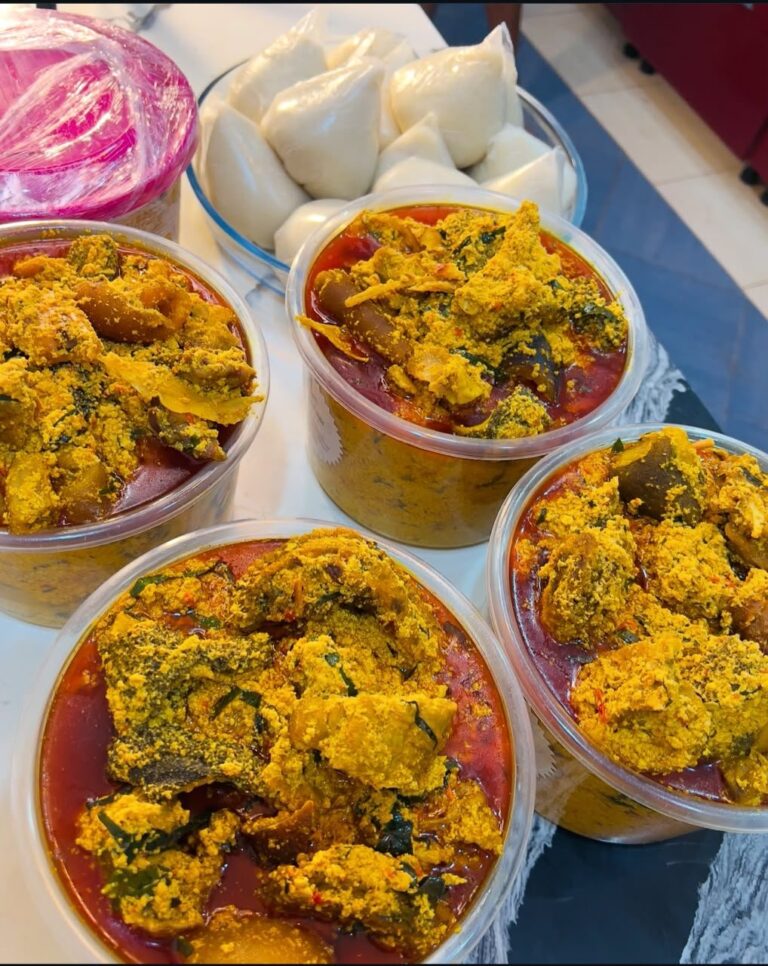
Good Nigerian soup often tastes even deeper the next day. The pepper settles. The stock develops. The meat, fish and spices have more time to sit together. This is why many people look forward to leftover egusi, oha, afang, nsala, ogbono or bitterleaf soup.
But reheating Nigerian soups is not as simple as putting any pot on high heat and walking away.
Different soups behave differently. Egusi can become too thick. Ogbono can lose its smooth draw if overheated or handled roughly. Leafy soups can darken, toughen or taste tired. Nsala can become flat if it is boiled too hard after storage. Even a beautiful soup can feel heavy, oily or unevenly warmed if it is reheated without care.
This guide explains how to reheat Nigerian soups with attention to flavour, texture and comfort. It supports the broader overview in The Ultimate Guide to Nigerian Soups and related guides on how to store Nigerian soups properly and choosing the best swallow for every Nigerian soup.
Quick Answer
The best way to reheat Nigerian soups is to warm only the portion you plan to eat, use low to medium heat, stir gently, add a small splash of water or stock if the soup has thickened, and heat it thoroughly before serving. Thick soups like egusi and ogbono need patient stirring, leafy soups like oha and afang need gentle heat, and light soups like nsala should not be boiled aggressively for too long.
For safety, reheated leftovers should be heated properly all the way through. If a soup smells off, looks unusual, has been left out too long, or has been reheated repeatedly, it is better not to eat it.
Why Reheating Nigerian Soup Takes Care
Nigerian soups are layered dishes. Many include stock, palm oil or natural oils, ground seeds, vegetables, spices, meat, fish and seafood. These ingredients do not always reheat at the same speed.
Liquid may warm quickly while meat stays cold inside; thick bases can catch at the bottom and leafy soups can hide cool patches.
Reheating also affects texture. The same soup that was soft and balanced yesterday can become too tight, too oily or too salty today if the heat is too high or if too much water is added.
The goal is simple: bring the soup back while keeping the original character of the dish.
Reheating Methods at a Glance
| Method | Best For | Strength | Watch Out For |
|---|---|---|---|
| Stovetop | Most Nigerian soups | Best control over texture and stirring | Can burn if heat is too high |
| Microwave | Small portions and office meals | Fast and convenient | Uneven heating if not stirred |
| Steaming in a covered bowl | Delicate portions | Gentle moisture | Slower than direct heating |
| Hot water bath | Frozen soup portions in sealed bags or containers | Gradual thawing and warming | Needs safe, heat-appropriate packaging |
The stovetop is usually the best method for Nigerian soups because it gives you control. You can loosen the soup slowly, stir from the bottom and adjust the texture before serving.
Food Safety Note Before Reheating
Food quality matters, but safety comes first. Leftover soups and stews should be stored cold, reheated thoroughly and handled with clean utensils. FoodSafety.gov lists soups and stews with meat or vegetables under short refrigerated storage windows, and its safe temperature chart gives leftovers a reheating target of 165°F / 74°C.
For a live website, keep this section aligned with current public guidance and local health requirements. Do not rely on smell alone if the soup has been mishandled.
Editorial source check: FoodSafety.gov cold food storage and safe minimum internal temperature charts.
How to Reheat Thick Nigerian Soups
Thick soups include egusi, ogbono, some okra styles and heavier vegetable soups. They are satisfying because of body and richness, but that same thickness means they need patience when reheated.
Best Method
Place the portion in a small pot. Add a little water or stock only if the soup has become too thick. Start on low to medium heat and stir from the bottom so the soup does not catch. Keep the pot partly covered if the soup is splattering, but do not leave it unattended.
Best For
- Egusi soup
- Ogbono soup
- Thick bitterleaf soup
- Some okra and seafood okra soups
- Rich vegetable soups with assorted meat
What To Avoid
Avoid adding too much water at once. A little liquid can restore texture, but too much will weaken the soup and make it taste unfinished. Avoid high heat, especially for seed-based soups, because the bottom can scorch before the centre is hot.
How to Reheat Leafy Nigerian Soups
Leafy soups such as oha, afang, edikang ikong and bitterleaf need a softer touch. Their beauty is in the vegetables, the savoury base and the way the leaves hold flavour without turning dull.
Best Method
Warm leafy soup over low to medium heat and stir gently. If the soup has thickened in the fridge, add a small splash of water or stock. Once it is fully warmed, serve it promptly instead of keeping it boiling for a long time.
Best For
- Oha soup
- Afang soup
- Edikang ikong
- Bitterleaf soup
- Seafood vegetable soup
What To Avoid
Avoid long boiling after the soup is already hot. Leafy soups can lose freshness when they sit on heat too long. Also avoid aggressive stirring that breaks the vegetables down into a tired texture.
How to Reheat Draw Soups
Draw soups, especially ogbono and okra-based soups, are loved for their smooth, stretchy texture. Reheating should protect that texture rather than fight it.
Best Method
Use low to medium heat, stir slowly and avoid over-diluting. If the soup feels too thick, add a little warm water or stock and allow it to come together gradually.
Texture Tip
Draw soups can become uneven if they are heated too fast. Give them time to loosen. Stirring gently is better than beating the soup heavily.
How to Reheat Nsala and Other Light Soups
Nsala, often called white soup, is lighter in colour but not light in flavour. It can contain fish, goat meat, chicken, yam thickener and spices. Because it is not usually palm-oil heavy, overheating can make it taste flat or reduce its clean peppery character.
Best Method
Warm nsala gently in a pot. Stir carefully so the thickener does not settle at the bottom. If it has become too thick, add a small amount of water or stock and allow the soup to regain a smooth consistency.
What To Avoid
Avoid boiling nsala aggressively for a long time after it is already hot. The aim is to restore warmth and balance, not to cook the soup all over again.
Soup-by-Soup Reheating Guide
| Soup | Best Reheating Approach | Texture Goal | Serving Tip |
|---|---|---|---|
| Egusi | Low to medium heat with gentle stirring | Thick but not dry | Add a little stock if it tightens |
| Oha | Gentle heat, brief warming once hot | Soft leaves and rich broth | Serve soon after reheating |
| Afang | Low heat with careful stirring | Leafy and hearty | Avoid over-boiling vegetables |
| Nsala | Gentle heat in a small pot | Light, peppery and smooth | Do not over-dilute |
| Ogbono | Slow warming and steady stirring | Smooth draw | Add liquid gradually |
| Bitterleaf | Moderate heat with careful stirring | Earthy and balanced | Let the savoury base wake up slowly |
| Okra | Low to medium heat | Fresh draw and body | Avoid overheating into dullness |
| Seafood soups | Gentle heat and careful timing | Tender seafood | Avoid repeated reheating |
Reheating Soup and Swallow
Soup and swallow should usually be reheated separately. They have different textures and different heating needs.
Swallow can become hard, watery or uneven if reheated carelessly. Soup needs stirring and texture control, so keeping them separate gives both a better chance to come back well.
If you ordered soup and swallow together, remove only the portion you plan to eat. Warm the soup thoroughly, then warm the swallow according to its type.
For pairing guidance, read What Is the Best Swallow for Every Nigerian Soup?. For the broader context of soups and swallows, see The Ultimate Guide to Nigerian Soups and The Complete Guide to Nigerian Swallow Foods.
How to Reheat Delivered Nigerian Soup
Delivered food should be handled promptly. If you are eating soon, keep the soup covered and warm until serving. If you are saving it for later, move it into suitable containers.
AdaOwerri Kitchen’s Delivery option is useful when you want Nigerian soup without cooking from scratch. Check current availability through the Menu or Contact page.
For families, office meals or events, Bulk Orders can help with portion planning.
Quick Tips
- Reheat only what you plan to eat.
- Use a small pot for better control.
- Add water or stock slowly, not all at once.
- Stir thick soups from the bottom.
- Warm leafy soups gently and serve promptly.
- Keep soup and swallow separate until serving.
- Avoid reheating the same portion again and again.
- Use clean spoons and containers when handling leftovers.
- Discard soup that smells unusual, looks spoiled or was stored poorly.
Common Mistakes
Reheating on Very High Heat
High heat may seem faster, but it can burn the bottom of egusi, tighten ogbono and dull leafy soups.
Adding Too Much Water
Water can help restore texture, but too much makes the soup thin and weak. Add a little at a time.
Reheating the Entire Container
Repeated heating and cooling hurts both quality and safety. Portion the soup first.
Not Stirring Properly
Nigerian soups often contain meat, fish, vegetables and thick bases. Stirring helps heat move evenly.
Treating Every Soup the Same Way
Egusi, afang, nsala and ogbono do not behave the same. Match the reheating method to the soup.
Ready To Order?
Want Nigerian soup that still tastes full, balanced and satisfying after the first serving? Explore AdaOwerri Kitchen’s Menu for current soup-and-swallow options, including familiar favourites such as egusi, oha, afang and nsala when available.
For larger family meals, office lunches or hosted gatherings, use Bulk Orders to plan soups in portions that are easier to serve, store and reheat.
Need Help Choosing?
Not sure which soup will reheat best for your plans? Message AdaOwerri Kitchen through the Contact page or WhatsApp link on the website to ask about current soup availability, delivery timing and bulk order guidance.
FAQs
What is the best way to reheat Nigerian soups?
The stovetop is usually best because it gives you control over heat, stirring and texture. Use low to medium heat, stir gently and add a little water or stock only if needed.
Can I reheat egusi soup in the microwave?
Yes, for a small portion. Use a microwave-safe bowl, cover loosely, heat in stages and stir between stages so the soup warms evenly. The stovetop usually gives better texture.
Why does my ogbono lose its draw after reheating?
Ogbono can lose some of its smooth draw when overheated, over-diluted or stirred too aggressively. Reheat slowly and add liquid gradually.
Can I reheat oha soup more than once?
It is better to reheat only the amount you plan to eat. Repeated reheating can reduce quality and may create safety concerns if storage is poor.
Should I add water when reheating Nigerian soup?
Only add water or stock if the soup has thickened too much. Add a small amount first, stir and check the texture before adding more.
Can I reheat soup and swallow together?
It is usually better to reheat them separately. Soup needs stirring, while swallow needs a method that protects its softness and structure.
How do I know if leftover Nigerian soup is no longer good?
Do not eat soup that smells sour, looks unusual, has mould, or was left unrefrigerated too long.
Conclusion
Reheating Nigerian soup well is about patience. Warm the soup thoroughly, but do it gently. Protect the texture. Add liquid slowly. Stir with care. Treat egusi differently from oha, ogbono differently from nsala, and leafy soups differently from thick soups.
When reheated properly, Nigerian soups can remain comforting, generous and deeply satisfying. They can still pair beautifully with pounded yam, eba, fufu, semovita or plantain swallow, especially when the soup was made with a strong base in the first place.
For a wider understanding of soup styles, read The Ultimate Guide to Nigerian Soups. To order Nigerian soups in Accra, check AdaOwerri Kitchen’s Menu, Delivery, Bulk Orders and Contact pages.