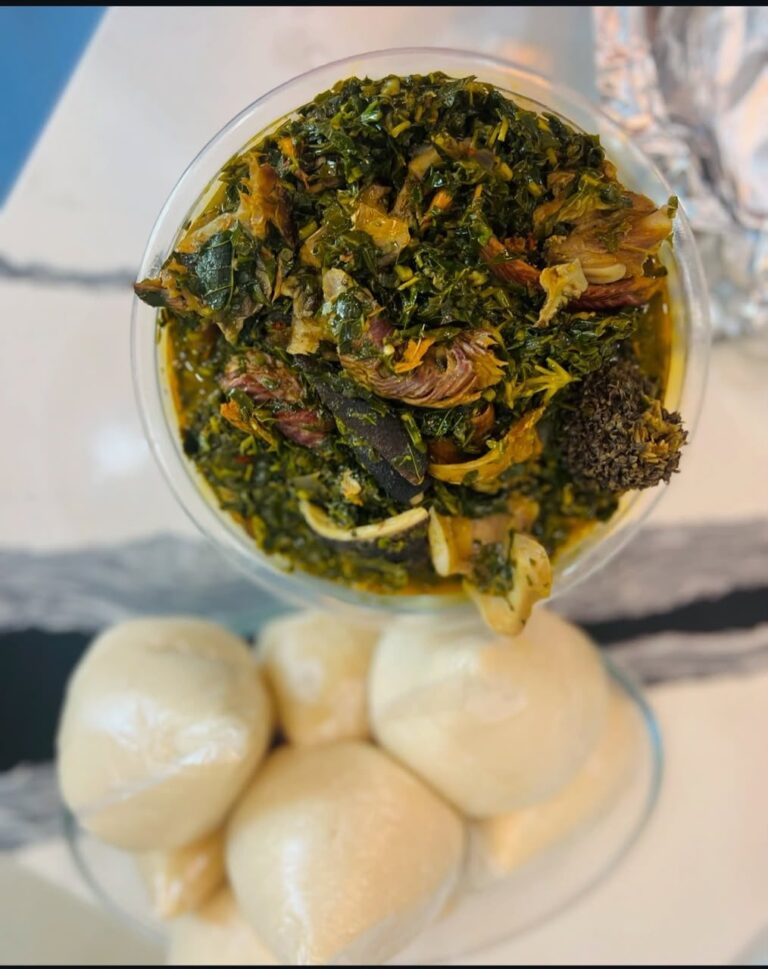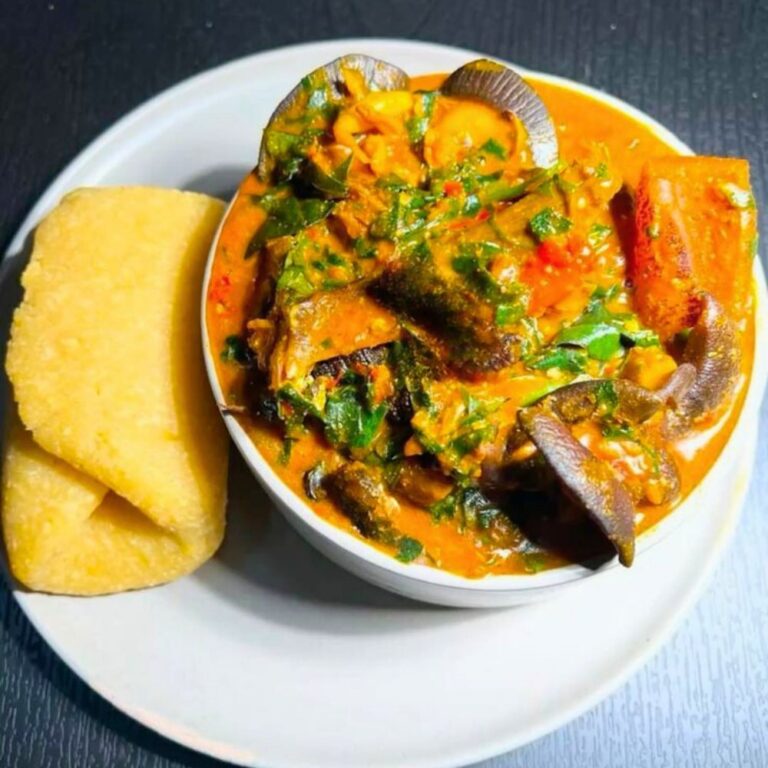
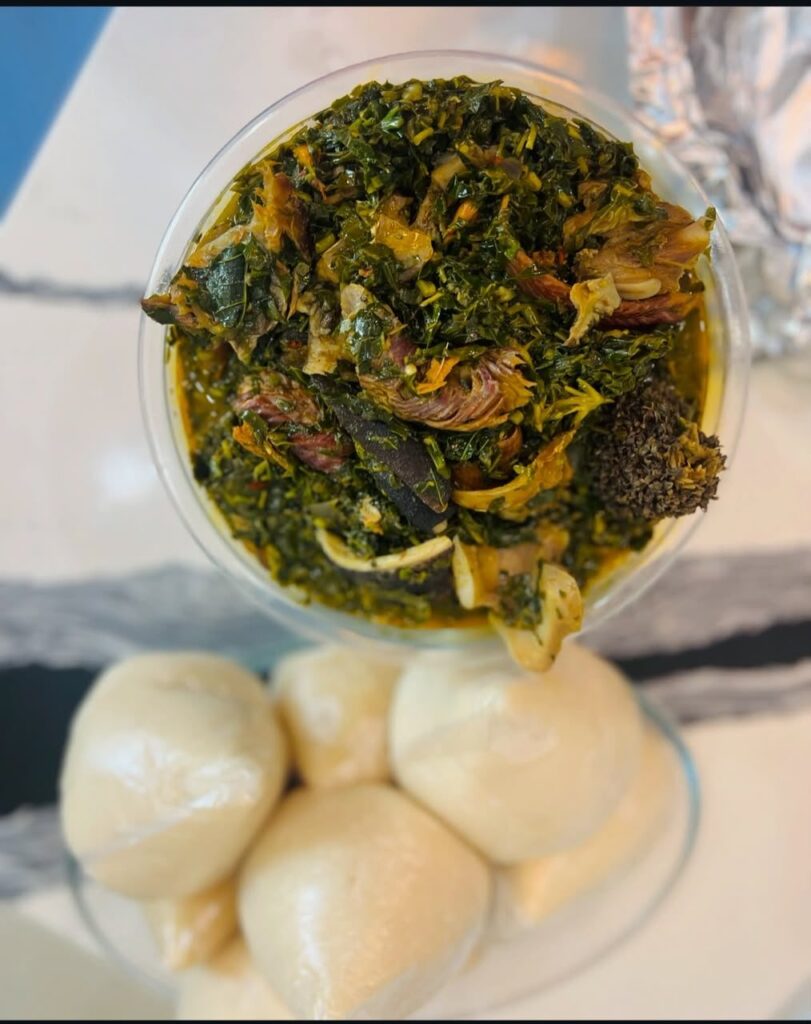
Amala has a stronger identity than many mild swallows. Its colour, softness, and earthy taste make it easy to recognise, even before the soup arrives.
For some diners, amala is a comfort food. For others, it is a swallow they need explained before ordering. That explanation should be respectful and practical: amala is not strange because it is dark; it is simply a different swallow tradition with its own flavour and pairings.
This guide explains amala clearly, including what it is, how it differs from other swallows, which soups and sauces suit it, how to serve it, and what to ask before ordering.
Quick Answer
Amala is a Nigerian swallow known for its darker colour, soft texture, and earthy taste. It is commonly associated with Yoruba food culture, though preparation and serving preferences vary. Amala is often eaten with soups or sauces such as ewedu, gbegiri, okra, ogbono, and other soups that suit its soft texture.
For the broader category, read The Complete Guide to Nigerian Swallow Foods. For soup education, use The Ultimate Guide to Nigerian Soups. For menu planning across rice and swallow options, read The Complete Guide to Nigerian Rice Dishes.
What Is Amala?
Amala is a Nigerian swallow commonly made from yam flour, though there are variations that may use plantain or cassava-based ingredients depending on tradition and preference. It is cooked into a soft, cohesive swallow and served with soup or sauce.
The colour can range from brown to dark brown, depending on the base and preparation. The taste is often earthier than pounded yam, semovita, or eba.
Why Is Amala Dark?
The darker colour usually comes from the flour or base ingredient used. It should not be treated as a flaw. Colour is part of amala’s identity.
What Does Amala Taste Like?
Amala has an earthy, slightly deeper taste. It is not as neutral as semovita and not as clean-tasting as pounded yam.
Amala At A Glance
| Feature | What It Means |
|---|---|
| Main role | Soft, earthy swallow |
| Common base | Often yam flour, with variations |
| Texture | Soft, cohesive, sometimes stretchy |
| Taste | Earthy and deeper than mild swallows |
| Good pairings | Ewedu, gbegiri, okra, ogbono, vegetable soups |
| Ordering note | Confirm current availability and best soup pairing |
Amala Compared With Other Swallows
| Swallow | Texture | Taste | Compared With Amala |
|---|---|---|---|
| Amala | Soft and earthy | Medium | Stronger personality |
| Pounded yam | Smooth and substantial | Mild | Lighter taste and colour |
| Eba | Firm and moldable | Mild to tangy | Firmer, less earthy |
| Fufu | Soft and elastic | Mild to tangy | More elastic |
| Semovita | Smooth and mild | Neutral | Much milder |
| Plantain fufu | Smooth and fuller | Plantain note | Fuller but different base flavour |
Best Pairings For Amala
| Soup Or Sauce | Why It Works |
|---|---|
| Ewedu | Soft texture works well with amala. |
| Gbegiri | Adds body and richness in classic pairings. |
| Okra soup | Draw texture can suit soft swallow. |
| Ogbono soup | Stretchy texture works with amala’s softness. |
| Vegetable soups | Can balance amala’s earthiness. |
| Peppery sauces | May work depending on preference and kitchen style. |
AdaOwerri Kitchen’s completed soup cluster focuses on soups such as egusi, oha, afang, nsala, ogbono, and bitterleaf. Amala can be discussed alongside Ogbono Soup and broader soup guidance, while acknowledging that regional serving preferences vary.
Serving Suggestions
Serve amala warm, smooth, and separate from soup or sauce. Because it has a more noticeable flavour than semovita or pounded yam, the soup pairing should be chosen intentionally.
For first-time diners, explain the taste and colour before serving. A guest who expects pounded yam may be surprised by amala. Clear explanation makes the meal feel welcoming rather than confusing.
For group orders, amala may be better as an optional swallow rather than the only option unless the group specifically requested it.
Storage Advice
Amala is best fresh. Once it cools, it can firm up or lose its smooth texture. Reheating may change the eating experience.
If storing leftovers, keep soup and amala separate, use clean covered containers, and follow current food-safety guidance. Confirm packaging and timing through Delivery or Contact if ordering for later eating.
Quick Tips
- Choose amala when you want an earthy, soft swallow.
- Explain it clearly to first-time diners.
- Pair it with soups or sauces that suit its deeper taste.
- Serve it warm and smooth.
- Offer another swallow for mixed groups.
- Avoid making broad regional claims; preferences vary.
Common Mistakes
- Treating amala’s dark colour as a problem.
- Serving it to first-time diners without explanation.
- Assuming amala pairs with every soup equally.
- Letting it cool too much before serving.
- Making unsupported claims about health or nutrition.
- Calling amala fufu or pounded yam.
Ready To Order?
Exploring Nigerian swallow options? Browse AdaOwerri Kitchen’s Menu for current soups, swallows, rice meals, proteins, and sides.
For family or event meals, use Bulk Orders to discuss available swallows, soup pairings, guest preferences, packaging, and delivery timing.
Need Help Choosing?
Want to know whether amala or another swallow is available today? Message AdaOwerri Kitchen through WhatsApp on the website or use Contact before finalising your order.
Frequently Asked Questions
What is amala?
Amala is a Nigerian swallow known for its darker colour, soft texture, and earthy taste. It is often made from yam flour, with variations depending on preparation.
Why is amala dark?
Its colour comes from the flour or base ingredient used. The darker colour is normal for many amala styles.
What soup goes with amala?
Amala is often paired with ewedu, gbegiri, okra, ogbono, and other soups or sauces that suit its soft texture.
Is amala the same as fufu?
No. Amala and fufu are different swallow foods with different bases, textures, and tastes.
Is amala good for first-time diners?
It can be, but it helps to explain the colour, taste, and texture before serving.
Can amala be delivered?
Yes, when available and packed properly. Ask whether the soup and swallow will be packed separately.
Conclusion
Amala is a distinctive Nigerian swallow with a soft texture, darker colour, and earthier taste. It deserves clear explanation because it is not trying to be pounded yam, eba, or fufu. It has its own identity.
Choose amala when the soup or sauce suits its character and the diners are open to a deeper swallow taste. For broader context, read The Complete Guide to Nigerian Swallow Foods, The Ultimate Guide to Nigerian Soups, and The Complete Guide to Nigerian Rice Dishes.