For many visitors, Nigerian food begins with one question: what should I try first? The answer depends on your appetite, spice comfort, texture preference and how adventurous you feel.
Nigerian cuisine is not one flavor. It includes tomato-rich rice dishes, thick soups, leafy soups, draw soups, soft swallows, bean-based foods, grilled meats, peppery broths, local delicacies and street-style snacks. Some dishes feel easy for first-time diners. Others make more sense after someone explains the texture, ingredients or eating style.
This guide introduces traditional Nigerian food in a practical way. You will learn what each dish is, how it is usually served, where it is commonly associated when that is useful, and what to know before ordering.
For deeper reading, see the AdaOwerri Kitchen guides to Nigerian soups, Nigerian rice dishes, Nigerian swallow foods and ordering Nigerian food in Accra.
Quick Summary
Traditional Nigerian food is broad, regional and deeply varied. A visitor does not need to try everything at once. Start with approachable dishes, then move toward soups, swallows, peppery broths, local delicacies and street-style foods.
Good first choices include:
- Jollof rice for a familiar but bold rice dish.
- Pounded yam with Egusi or Oha soup for a classic soup-and-swallow experience.
- Moi moi for a soft steamed bean dish.
- Pepper soup for a spicy broth-style meal.
- Ofada rice for a sauce-forward rice experience.
- Abacha, Nkwobi or Isi Ewu for more traditional local flavors.
If you are ordering in Accra, use the AdaOwerri Kitchen Menu to see current options, then read the ordering guide if you need help choosing and confirming availability.
Helpful Note: Nigeria has many regions and food traditions. This guide introduces important dishes, but it is not a complete map of Nigerian cuisine.
Key Takeaways
- Nigerian food is best understood through categories: rice dishes, soups, swallows, bean dishes, grilled foods, peppered foods, and local delicacies.
- Jollof rice, fried rice and coconut rice are easy entry points for first-time visitors.
- Soup and swallow is central to many Nigerian meals and worth trying with guidance.
- Some dishes are broadly Nigerian, while others are strongly associated with specific regions or communities.
- Where origins or regional claims are complex, this guide uses cautious wording.
- Visitors should ask about spice level, proteins, swallow pairings and availability before ordering.
Quick Facts
| Question | Short Answer |
|---|---|
| Easiest first dish | Jollof rice, fried rice, coconut rice or moi moi. |
| Best classic experience | Soup and swallow, such as Egusi with pounded yam. |
| Best for adventurous visitors | Abacha, Nkwobi, Isi Ewu, Ofada rice or pepper soup. |
| What to ask first | Spice level, protein, sides and availability. |
| Best next step | Browse the Menu or read the Accra ordering guide. |
Traditional Nigerian Food At A Glance
| Dish | Food Type | Common Character | First-Time Friendly? | What To Ask Before Ordering |
|---|---|---|---|---|
| Jollof rice | Rice dish | Tomato, pepper, savory depth | Very | Protein, sauce, spice level |
| Pounded yam | Swallow | Smooth, mild, substantial | Yes | Which soup it comes with |
| Egusi soup | Soup | Rich, nutty, thick | Yes | Protein and swallow pairing |
| Oha soup | Leafy soup | Soft, earthy, comforting | Yes | Swallow and protein |
| Nsala soup | Light soup | Peppery, broth-like | Yes | Protein and spice level |
| Afang soup | Leafy soup | Vegetable-forward, savory | Yes | Swallow and protein |
| Pepper soup | Broth | Spicy, warming, aromatic | Maybe | Heat level and protein |
| Nkwobi | Local delicacy | Spicy cow foot dish | For adventurous diners | Spice level and portion |
| Isi Ewu | Local delicacy | Spiced goat head dish | For adventurous diners | Availability and portion |
| Moi moi | Bean dish | Soft, savory, steamed | Very | Whether it is a side or main add-on |
| Akara | Bean cake | Fried, crisp outside, soft inside | Very | Availability and serving time |
| Suya | Grilled street-style meat | Smoky, spicy, peanut-spice profile | Yes if spice is comfortable | Whether available and heat level |
| Ofada rice | Rice and sauce | Earthy rice with bold sauce | Yes, if sauce is welcome | Sauce ingredients and pepper level |
| Abacha | Local dish | Cassava-based, savory, textured | Maybe | Ingredients, spice and protein |
| Boli | Roasted plantain | Sweet or starchy, smoky | Very | Sauce or protein pairing |
How To Choose What To Try First
If you want something familiar, start with rice. Jollof rice, fried rice or coconut rice gives you Nigerian flavor without requiring a new eating technique.
If you want a fuller traditional meal, try soup and swallow. Egusi with pounded yam is a strong first option. Oha with fufu is softer and more leafy. Afang with eba gives more vegetable texture.
If you want something spicy and warming, try pepper soup. If you want local delicacies, try Nkwobi, Isi Ewu or Abacha, but ask what comes in the dish before ordering.
Quick Tip: First-time visitors should ask two questions: “How spicy is it?” and “What does it come with?” Those two questions solve many ordering surprises.
Jollof Rice
Jollof rice is one of the most recognized West African rice dishes, and Nigerian jollof has its own strong identity in everyday meals, parties and restaurant ordering. It is usually made with rice cooked in a tomato, pepper, onion, stock and seasoning base.
Jollof is a good first dish because the format is familiar. You do not need to learn how to eat it. You only need to choose the protein, sauce and sides that match your preference.
Typical serving style:
- Rice as the main plate.
- Protein such as beef, chicken, turkey or fish, depending on the menu.
- Sauce, egg, plantain or salad when included.
Occasions:
- Lunch.
- Parties.
- Office meals.
- Family meals.
- First-time Nigerian food orders.
For a deeper comparison, read the Nigerian rice dishes guide.
Pounded Yam
Pounded yam is a swallow, which means it is a soft starchy side eaten with soup. Traditional pounded yam is made from yam that is worked until smooth, though many modern kitchens use yam flour for consistency and convenience.
Pounded yam is mild, smooth and substantial. It pairs well with rich soups because it lets the soup carry the main flavor.
Good pairings include:
- Egusi soup.
- Oha soup.
- Nsala soup.
- Ofe Owerri.
- Bitterleaf soup.
Visitors should try pounded yam when they want the full soup-and-swallow experience. If the eating style is unfamiliar, start with a small piece and dip it gently into the soup.
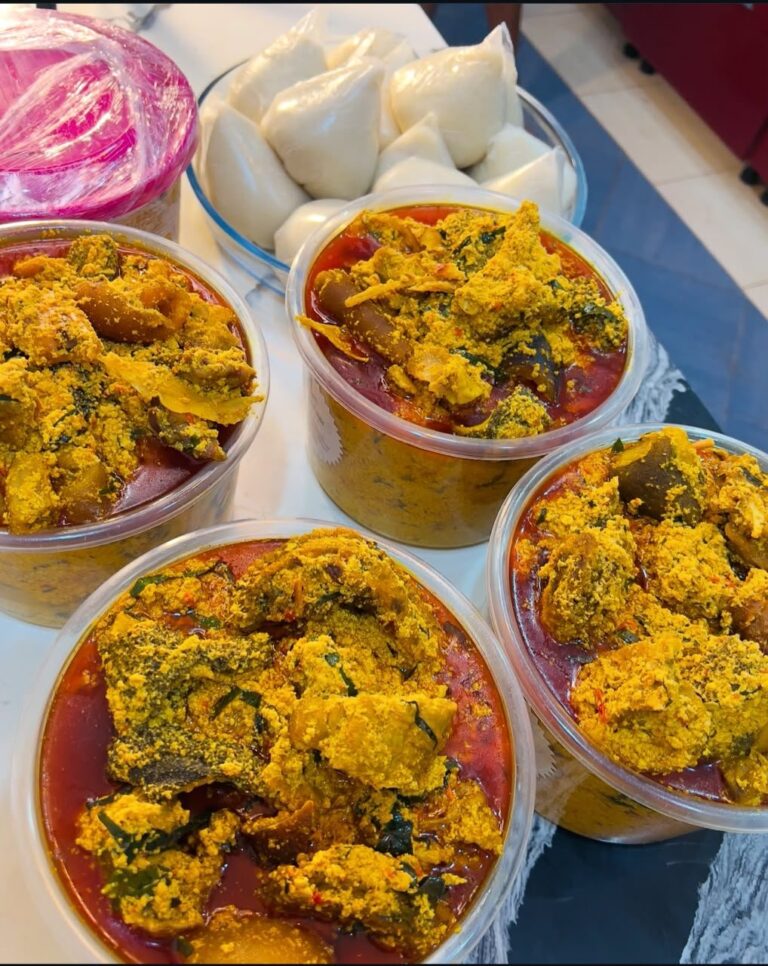
Egusi Soup
Egusi soup is made with ground melon seeds, which give it a rich, nutty body. It is often prepared with vegetables, palm oil, stock, pepper and proteins depending on the kitchen.
Egusi is a strong first Nigerian soup because it feels hearty and easy to understand. The texture is thick rather than watery, so it works well with pounded yam, eba, fufu or semovita.
Typical serving style:
- Served in a bowl or pack.
- Paired with swallow.
- Often includes meat, fish or other proteins, depending on the order.
Occasions:
- Lunch or dinner.
- Family meals.
- Soup-and-swallow orders.
- Bulk soup planning.
Oha Soup
Oha soup is an Igbo soup made with oha leaves and usually thickened with cocoyam. It has a soft leafy character and a comforting texture.
Oha is a good visitor dish because it introduces a different side of Nigerian soups: not only pepper and richness, but also leaf flavor, broth and regional identity.
Typical serving style:
- Served with fufu or pounded yam.
- Often includes meat, fish or dry fish depending on preparation.
- Best enjoyed warm and freshly served.
Oha is often meaningful to Igbo diners, but visitors can enjoy it by focusing on texture first: soft leaves, rounded soup and mild swallow.
Nsala Soup
Nsala, often called white soup, is a lighter, peppery soup associated with Igbo cooking. It is usually more broth-like than Egusi or Oha.
Nsala is useful for visitors who want soup and swallow but do not want a heavy seed-based soup. It can feel warming, clean and direct.
Typical serving style:
- Served with pounded yam or fufu.
- Often prepared with fish or meat depending on the kitchen.
- Best confirmed for spice level before ordering.
Ask about heat level if you are sensitive to pepper.
Afang Soup
Afang is a leafy soup commonly associated with southern Nigerian cooking, especially the Cross River and Akwa Ibom area. It is vegetable-forward, savory and often paired with eba, fufu or pounded yam.
The appeal of Afang is its leafy depth. It is not a simple smooth soup. It has texture and body from the vegetables.
Typical serving style:
- Served with swallow.
- Often includes assorted proteins or seafood depending on the kitchen.
- Good for people who enjoy vegetable-rich meals.
Afang is a strong choice after you have tried Egusi or Oha and want another soup style.
Pepper Soup
Pepper soup is a spicy Nigerian broth made with pepper soup spices and protein such as catfish, goat meat, chicken or turkey, depending on the menu. It is lighter than many soup-and-swallow meals because it is often enjoyed as a broth.
Pepper soup is not always the easiest first dish if you are very sensitive to spice. But if you enjoy heat, it can be one of the most memorable Nigerian meals.
Typical serving style:
- Served as a bowl of spiced broth with protein.
- Sometimes enjoyed in the evening or as a warming dish.
- Can be paired with sides depending on the order.
Ask about spice level before ordering.
Nkwobi
Nkwobi is a spicy cow foot delicacy often associated with Igbo local food culture. It is usually rich, peppery and served as a special local dish rather than a mild first meal.
Nkwobi is best for visitors who enjoy trying local delicacies and are comfortable asking questions before ordering.
Ask:
- How spicy is it?
- What portion size is available?
- Is it served alone or with a side?
- Is it available today?
AdaOwerri Kitchen’s project menu includes Nkwobi as a Naija local special. Confirm current availability before ordering.
Isi Ewu
Isi Ewu is a spiced goat head delicacy commonly associated with Igbo local dining. It is bold, rich and not usually the first dish for someone who wants a mild introduction.
For adventurous visitors, Isi Ewu can be a memorable way to explore traditional Nigerian local dishes.
Ask about:
- Portion size.
- Spice level.
- Availability.
- Whether it is served as a full pack or part of a larger order.
The project menu includes Isi Ewu, but live availability should always be confirmed.
Moi Moi
Moi moi is a steamed bean pudding made from blended beans and seasonings. It is soft, savory and often served as a side or supporting dish.
Moi moi is one of the most visitor-friendly traditional Nigerian foods because the texture is soft and the flavor is approachable. It can sit beside rice, plantain, pap or other meals depending on context.
Typical serving style:
- Served in a cup, wrap or portion.
- Eaten as a side or light meal.
- Often paired with rice or plantain.
AdaOwerri Kitchen’s project menu includes Moi Moi as a side. Confirm current availability before ordering.
Akara
Akara is a fried bean cake made from blended beans and seasonings. It is crisp on the outside and soft inside when prepared well.
Akara is widely enjoyed as breakfast, a snack or a light meal, often paired with pap, bread or other simple sides depending on the setting.
For visitors, Akara is a friendly introduction to Nigerian bean-based food. It is familiar in shape because it is fried, but the bean flavor gives it a distinct Nigerian character.
Confirm whether Akara is available before planning around it, because it may not be on every restaurant’s daily menu.
Suya
Suya is widely associated with northern Nigerian street grilling culture. It is usually skewered or sliced meat seasoned with a spicy peanut-based spice mix, then grilled.
Because suya is strongly tied to street food culture, restaurant availability can vary. If suya itself is not available, grilled or peppered meat options may still give visitors a related ordering direction, but they should not be described as suya unless that is what the restaurant offers.
Ask:
- Is suya available?
- How spicy is it?
- What protein is used?
- What sides or sauces come with it?
Ofada Rice
Ofada rice is commonly served with a bold sauce and proteins. It is often associated with southwestern Nigerian food culture, but preparation varies by kitchen.
The experience is different from jollof rice because the sauce is central. Visitors who enjoy strong pepper sauces and traditional rice textures may enjoy Ofada.
Typical serving style:
- Rice with Ofada sauce.
- Assorted meat or protein depending on the order.
- Egg may be included depending on the kitchen.
AdaOwerri Kitchen’s project menu includes Signature Ofada Rice and Sauce. Confirm current details before ordering.
Abacha
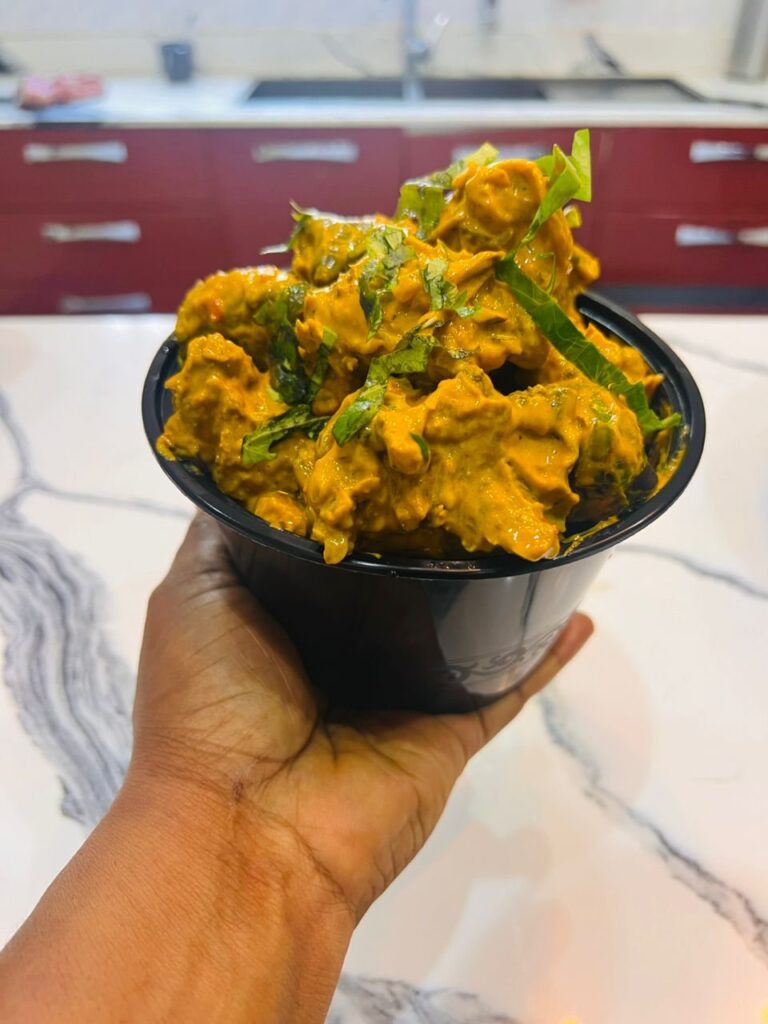
Abacha, sometimes called African salad in some contexts, is a cassava-based dish strongly associated with Igbo food culture. It is savory, textured and often prepared with ingredients such as palm oil, ugba, pepper and other seasonings depending on the kitchen.
Abacha may be new to many visitors because it does not fit neatly into rice, soup or swallow categories. That is part of why it is worth trying.
Typical serving style:
- Served as a local dish or combo.
- May include fish, ugba or other additions.
- Best ordered after asking what comes in the portion.
AdaOwerri Kitchen’s project menu includes Signature Abacha Combo. Confirm current availability before ordering.
Boli
Boli is roasted plantain. It can be made with ripe or less ripe plantain depending on the style, and it is often enjoyed with pepper sauce, fish, groundnuts or other accompaniments.
Boli is easy for visitors because plantain is familiar to many West African diners and curious first-time eaters. The roasted flavor makes it different from fried plantain.
AdaOwerri Kitchen’s project menu includes roasted plantain/Bole as a side and grilled fish combinations with Bole. Confirm current availability and pairing before ordering.
Comparison: Best Nigerian Foods For First-Time Visitors
| Visitor Preference | Best Starting Dishes | Why |
|---|---|---|
| Wants familiar texture | Jollof rice, fried rice, coconut rice | Rice is easy to approach. |
| Wants classic Nigerian experience | Pounded yam with Egusi or Oha | Shows soup-and-swallow eating style. |
| Wants something mild | Moi moi, coconut rice, pounded yam with a moderate soup | Softer flavors and textures. |
| Enjoys spice | Pepper soup, suya, Nkwobi, Isi Ewu | Pepper and seasoning are central. |
| Wants local delicacies | Abacha, Nkwobi, Isi Ewu, Ofada rice | More traditional and texture-rich. |
| Eating with a group | Rice, soups, swallow, plantain, moi moi | Gives everyone a path into the meal. |
Helpful Tips For Visitors
- Ask about spice before ordering.
- Confirm what protein comes with the meal.
- If ordering soup, ask what swallow pairs best.
- Start with rice if you want something easy.
- Try soup and swallow if you want a fuller Nigerian food experience.
- Ask whether local dishes are available that day.
- Do not assume every dish is served the same way in every restaurant.
- If ordering for a group, include rice and at least one soup option.
Ready To Order?
Ready to try traditional Nigerian food in Accra? Browse the AdaOwerri Kitchen Menu for current rice meals, soup-and-swallow packs, local specials, grills, sides and drinks. If you need help choosing, read the ordering guide before sending your order.
Need Help Choosing?
Not sure where to start? Message AdaOwerri Kitchen on WhatsApp through the website and ask what traditional Nigerian dishes are available today, how spicy they are and what comes with each order.
FAQs About Traditional Nigerian Food
What Nigerian food should a visitor try first?
Start with jollof rice if you want something familiar. Try pounded yam with Egusi or Oha if you want a classic soup-and-swallow experience.
Is Nigerian food always spicy?
No. Many Nigerian dishes use pepper, but spice level varies by dish and kitchen. Ask before ordering if you need a milder option.
What is soup and swallow?
Soup and swallow is a Nigerian meal format where a rich soup is eaten with a soft starchy side such as pounded yam, fufu, eba or semovita.
Which Nigerian soup is best for first-time diners?
Egusi is a strong first choice because it is rich and easy to understand. Oha is good if you want a softer leafy soup. Nsala is useful if you want something lighter and peppery.
What Nigerian food is good for groups?
Rice dishes, soups, swallows, grilled proteins, plantain and moi moi can work well for groups. For larger orders, confirm portions through Bulk Orders.
Are Nkwobi and Isi Ewu beginner-friendly?
They are traditional local delicacies, but they may be better for adventurous diners because they are richer, spicier and more specific in texture.
Is Suya available at AdaOwerri Kitchen?
Do not assume suya is available unless it appears on the current menu or is confirmed directly. Ask AdaOwerri Kitchen before planning around it.
Can visitors order traditional Nigerian food for delivery in Accra?
Delivery should be confirmed directly. Share your location, landmark, order details and preferred time before relying on delivery availability.
Conclusion
Traditional Nigerian food gives visitors many ways to begin. You can start gently with jollof rice, moi moi or roasted plantain. You can move into soup and swallow with pounded yam and Egusi or Oha. You can explore pepper soup, Ofada rice, Abacha, Nkwobi or Isi Ewu when you want deeper local flavor.
The best first order is not the most complicated one. It is the dish that helps you enjoy the meal with confidence. Ask what comes with it, confirm spice level, choose a comfortable texture and keep exploring from there.
Nigerian food rewards curiosity, but it should not feel confusing. A few clear explanations can turn an unfamiliar menu into a generous, memorable meal.